
I’ve been a bit busy with book reviews, as you may have noticed. A friend of mine has inspired the quest for the perfect baking book for the beginner. After several in a row, I was hitting the wall. Then that same friend recommended I read Cooked. It served as a chaser of shorts, cleansing the palate of the repetitive baking descriptions and recipes.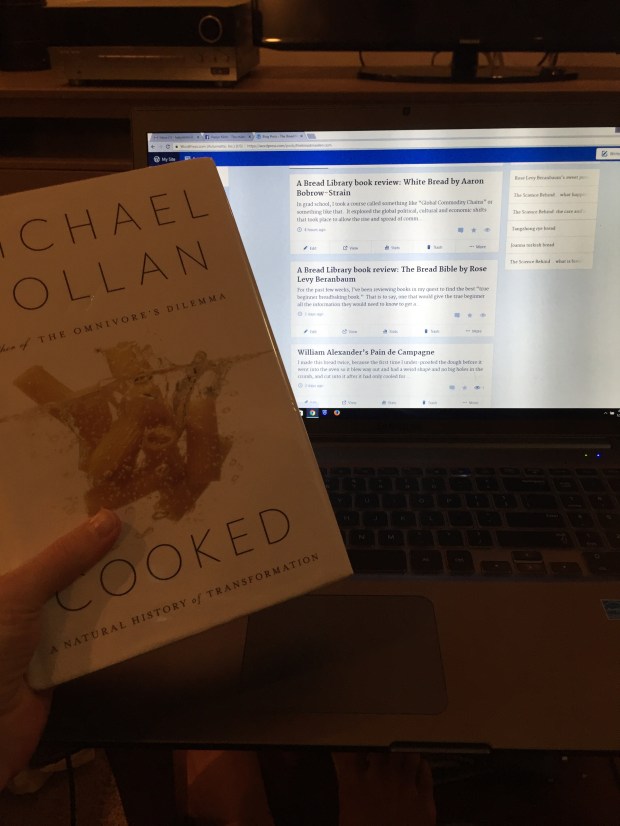
A few months ago, I watched the Cooked documentary on netflix, which left me a little disappointed. Michael Pollan, one of my favorite authors, appeared to be very awkward in the kitchen. We wondered, does this food writer not know how to cook?
According to Pollan’s latest book, that does seem to be the case.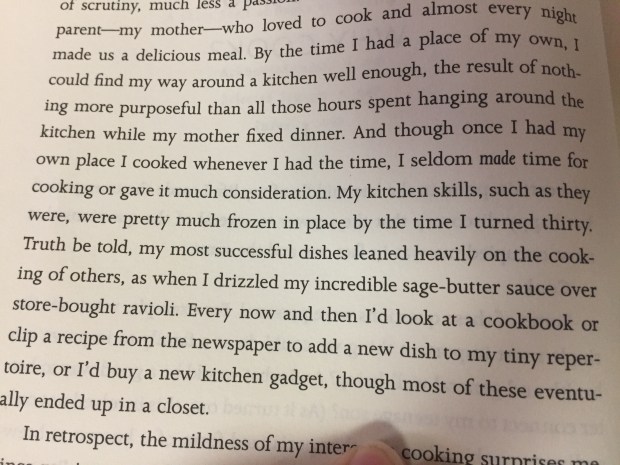
I appreciated his recognition here, which he didn’t make in the documentary, that the slow food movement and the wide availability of home-cooked food assumes the privilege of time and money, and individuals to do said cooking, which often falls to women. 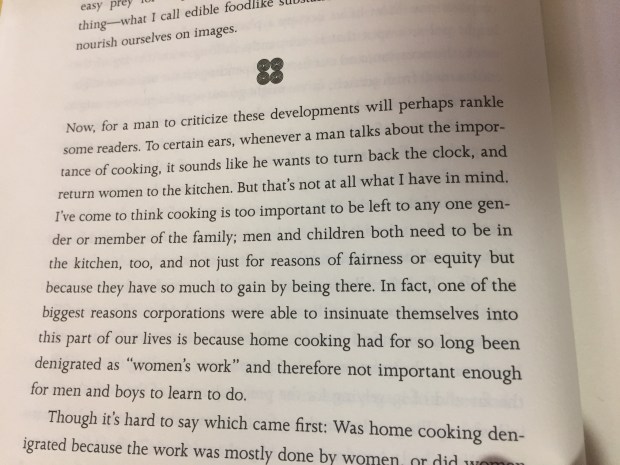
The original question that let me to read Cooked was about Pollan’s admiration of Wendell Berry. I haven’t read any of his writings, but maybe that’s the next step.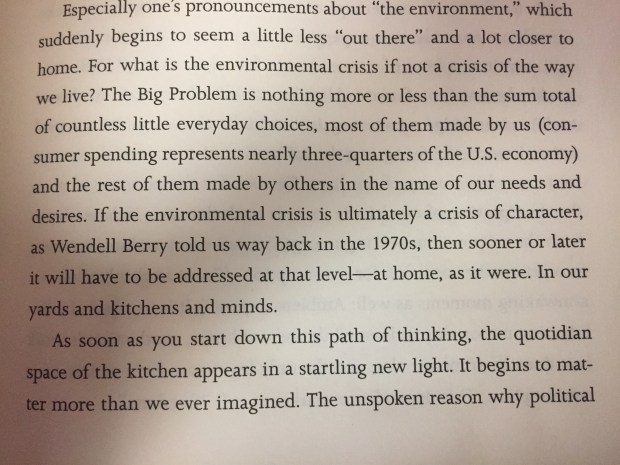
Even though I was less than impressed with the baking episode of the Cooked documentary (do you even knead, bruh?), his chapter titled “Air” is very good. Comprehensive but accessible. I adore Pollan’s writing, finding connections between the physical processes going on in the foods we manipulate and what they mean to us as a culture.
I used to go on thefreshloaf.com a lot. I still recommend it as a resource to home bakers.
This is not the first book I’ve read where the protagonist visits a monastery to learn some spiritual mysteries and be introspective. But I really liked Pollan’s treatment here. The idea of including cheese in the eucharist is subversive, unexpectedly meaningful, and awesome.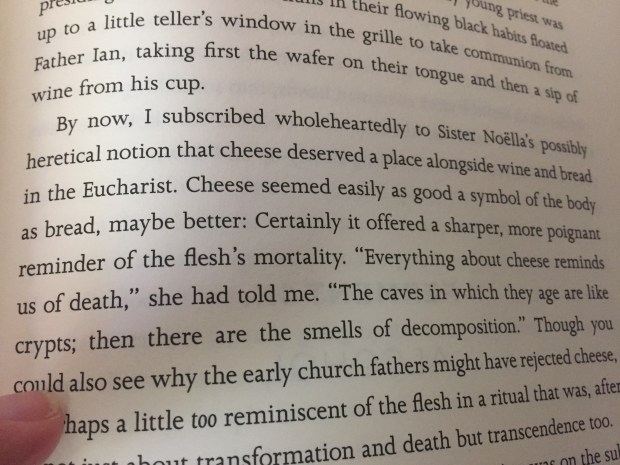
I will be making this recipe in a few weeks. Right now I have a backlog of bread that I need to eat.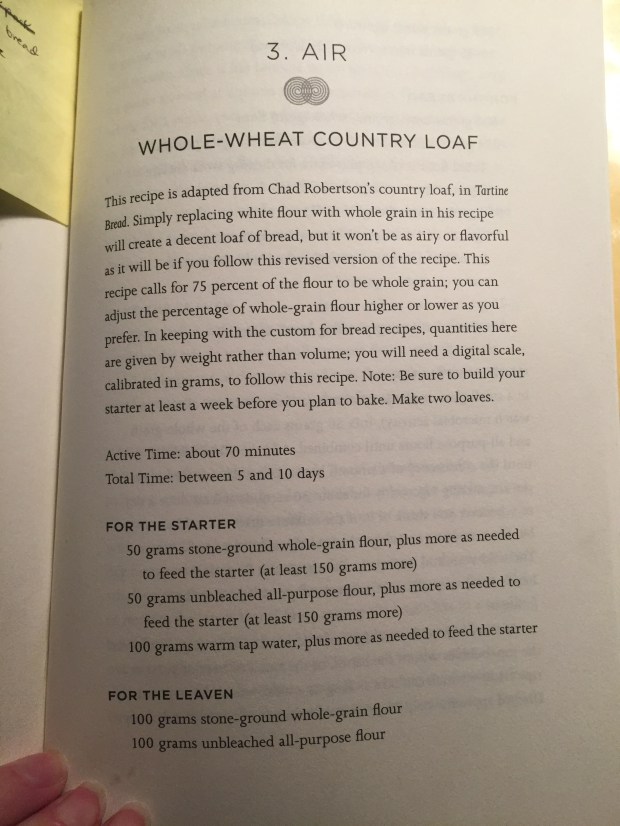
Overall, I really enjoyed Cooked, and it’s a worthy successor to Omnivore’s Dilemma and Botany of Desire.
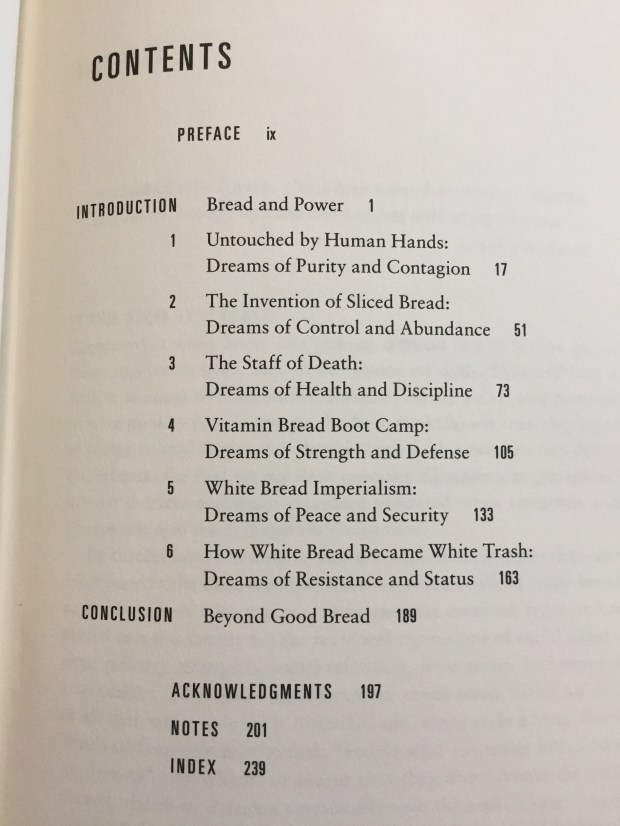
 My one disappointment with this conclusion is that he opens the chapter describing using a sourdough starter. He never admits to eating wonder bread, and so he still seems to be coming from a privileged position of ranking homemade sourdough above lesser breads.

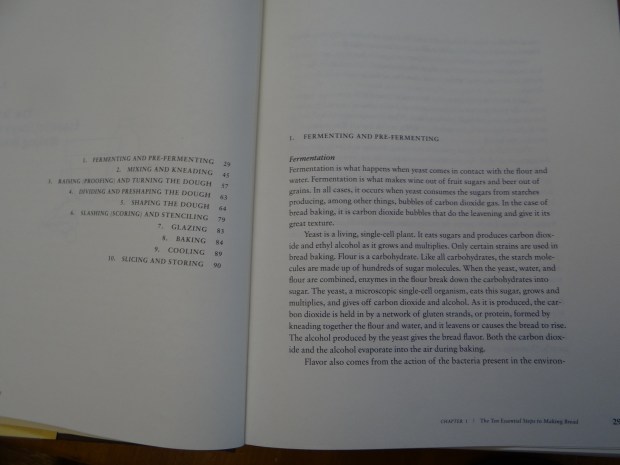


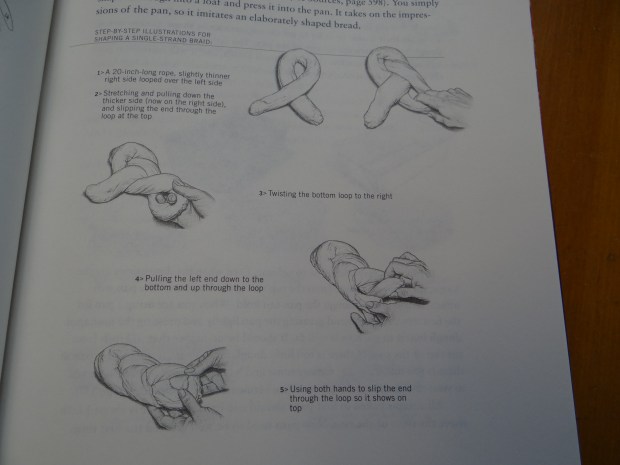
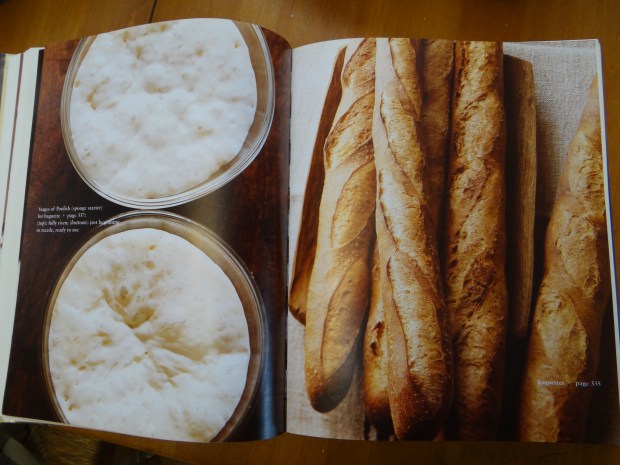
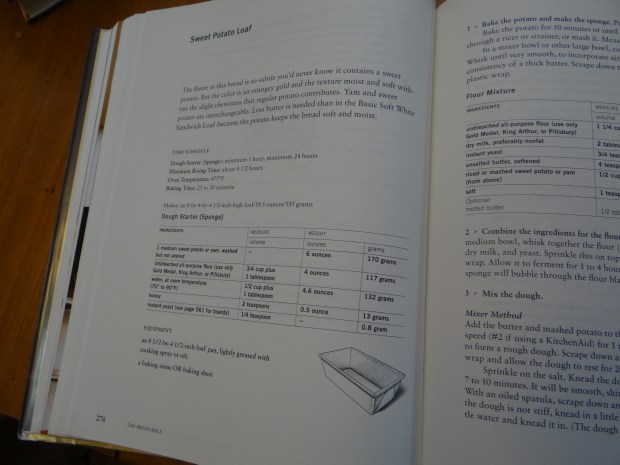

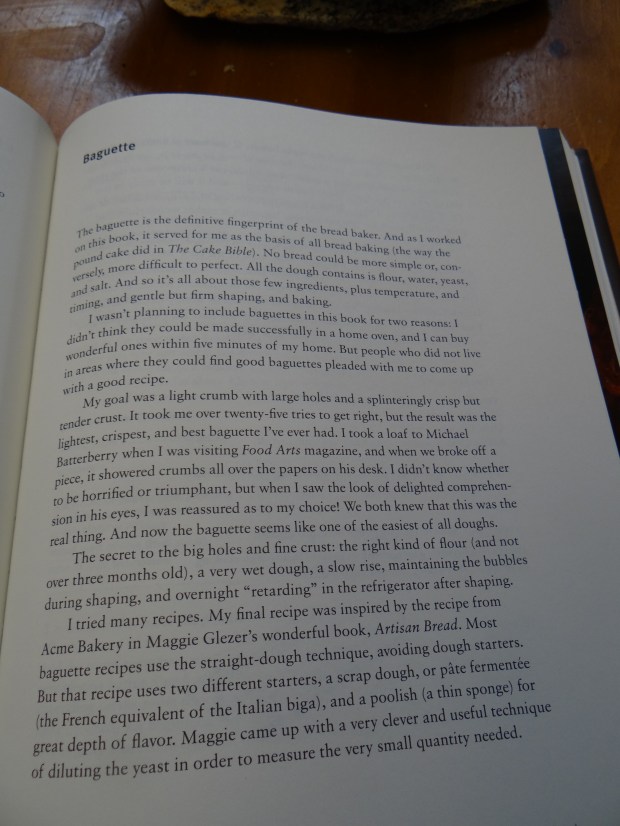


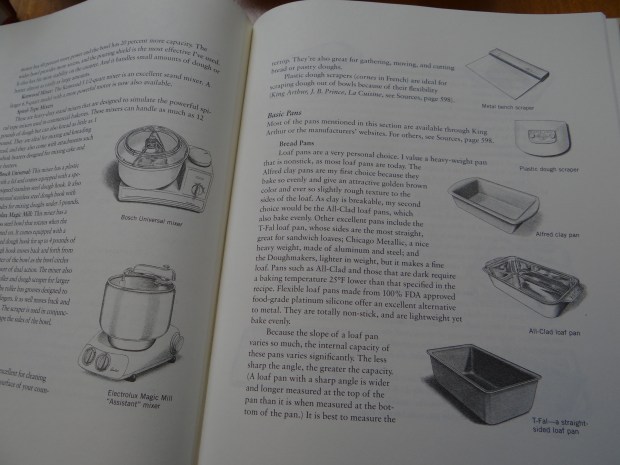
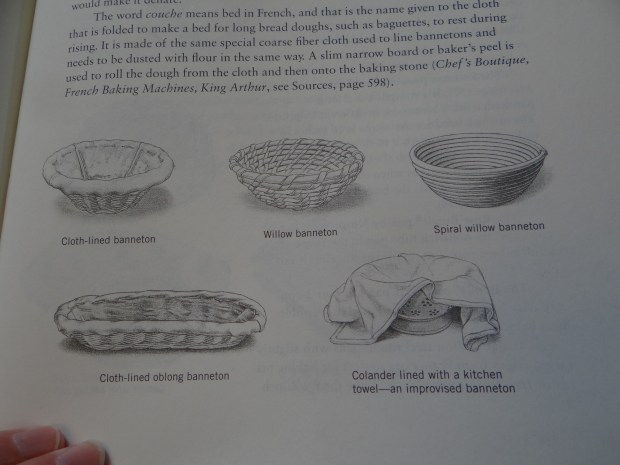 I tagged several recipes to test, including her baguettes. So look for those soon!
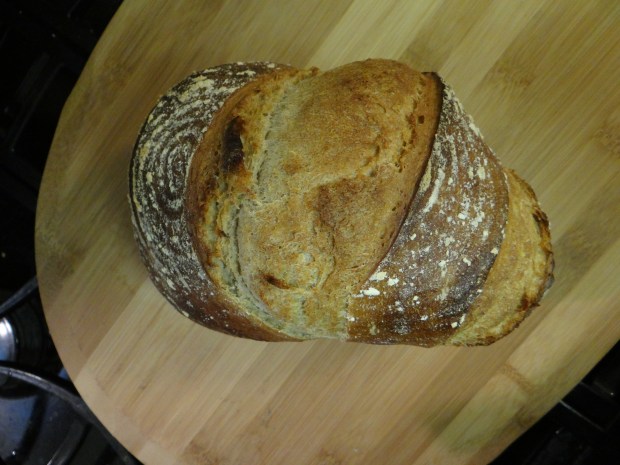

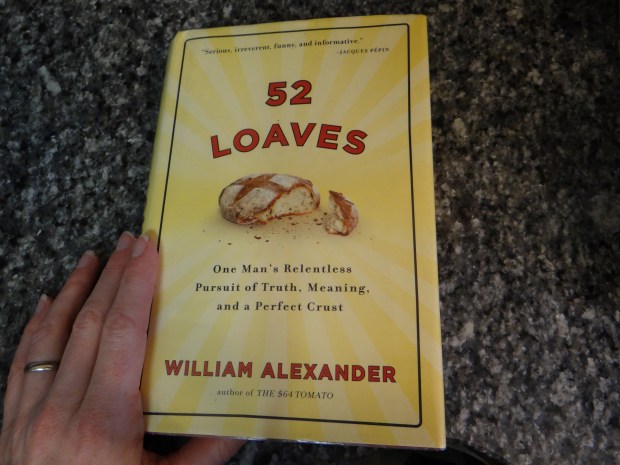
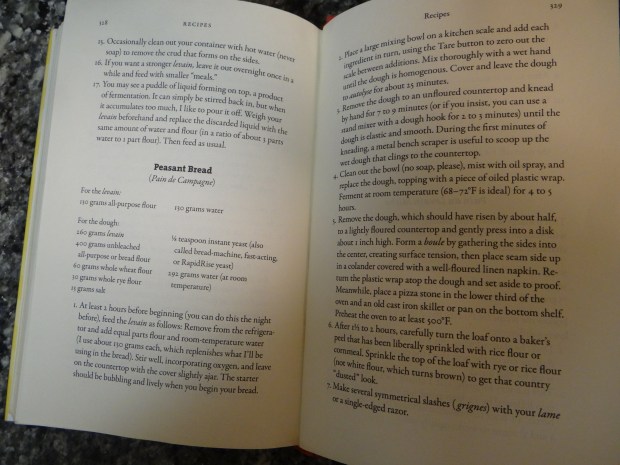
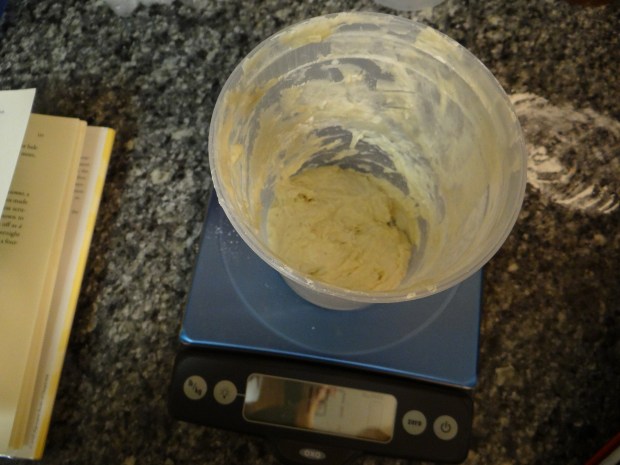 I think that part was actually ok. It was what happened after that. But I’m getting ahead of myself.

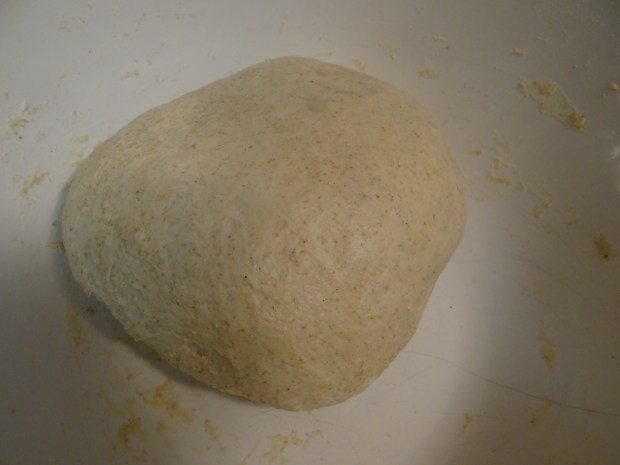


 I was pretty disappointed when I looked in and saw that my dough looked like this. But there was nothing I could do but let it finish baking and see what it looked like on the inside.
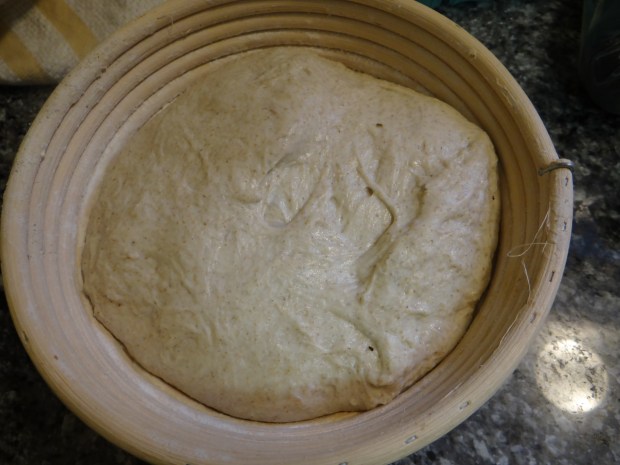 I started with an active sourdough starter this time, and let it rise 5 hours. I placed the dough in a banetton, and let it rise 2 full hours. I think that longer second rise really helped.
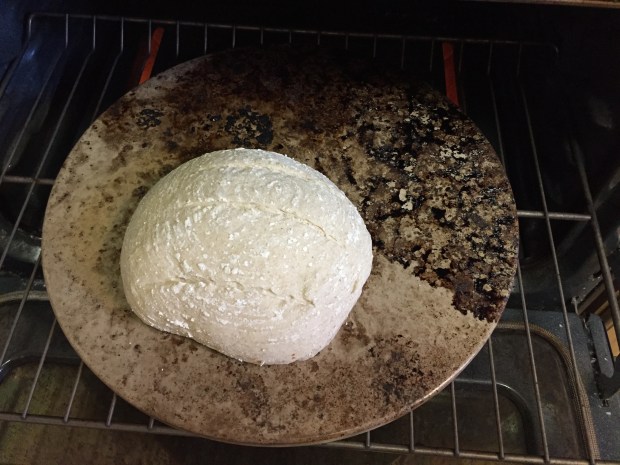 This is the dough once I flipped it onto the pizza stone.
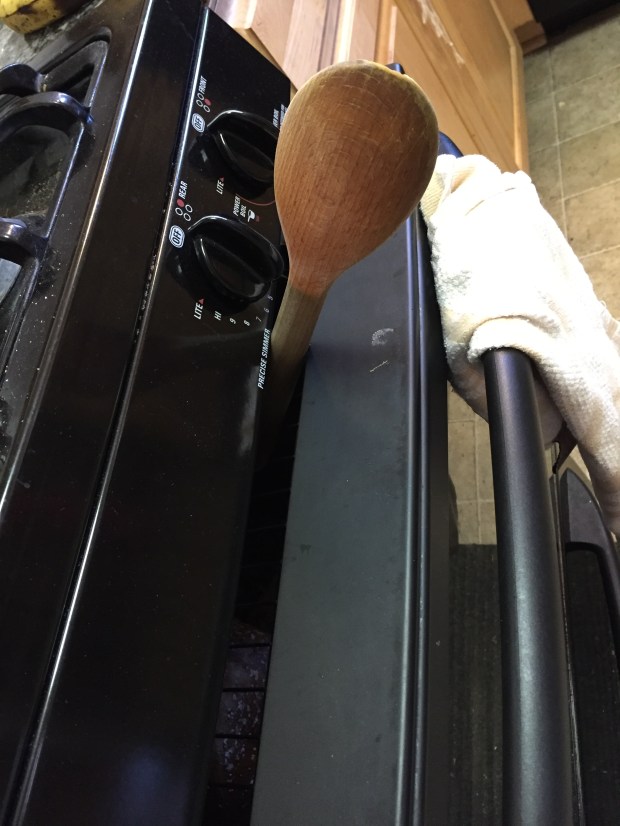 After baking, I shut the oven off and propped it open with a wooden spoon.
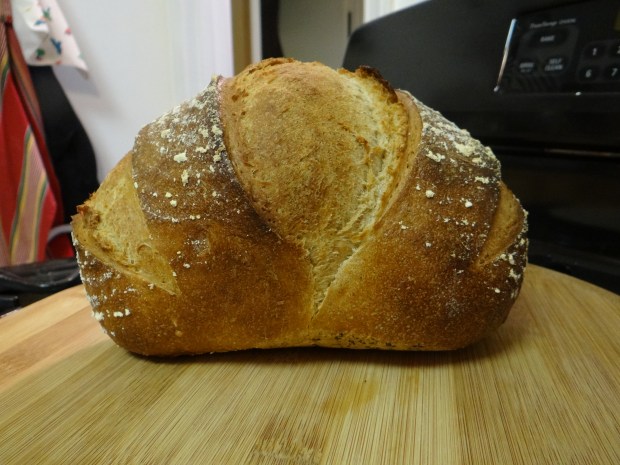
 I was much happier the second time around. The dough didn’t explode on contact with the hot pizza stone. Also, this time I used a combination of water and ice and I think it worked well. My one disappointment the second time around is that I didn’t score the dough deep enough. I was worried that with the longer second rise, the dough would deflate upon scoring.
 The crumb was an improvement too.
 Not great, considering the long second rise and wet dough. I would’ve expected much bigger holes. But I’m pretty satisfied. I went from this:



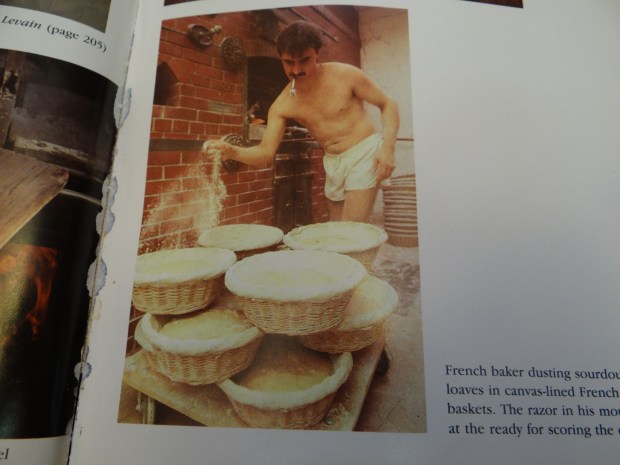

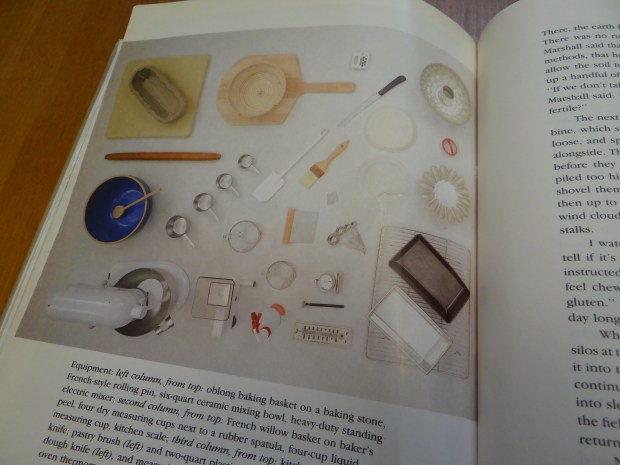
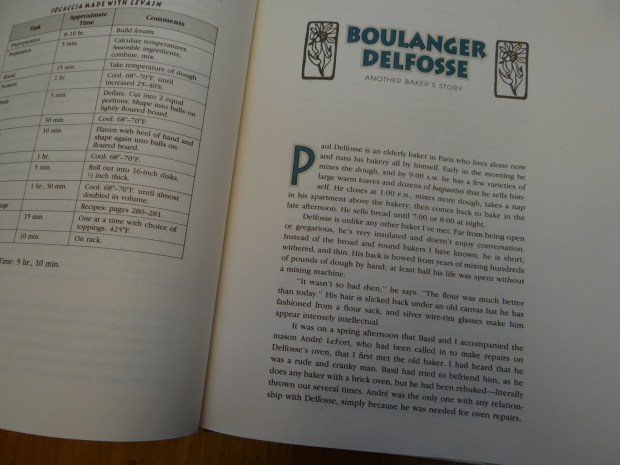
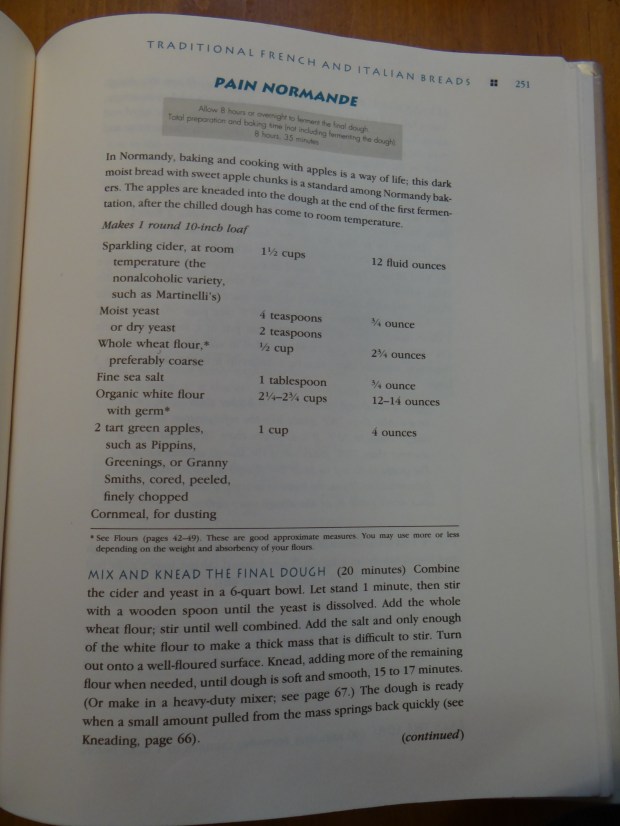
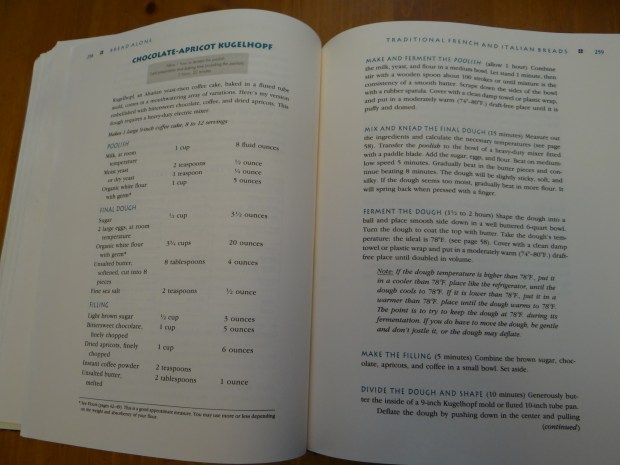
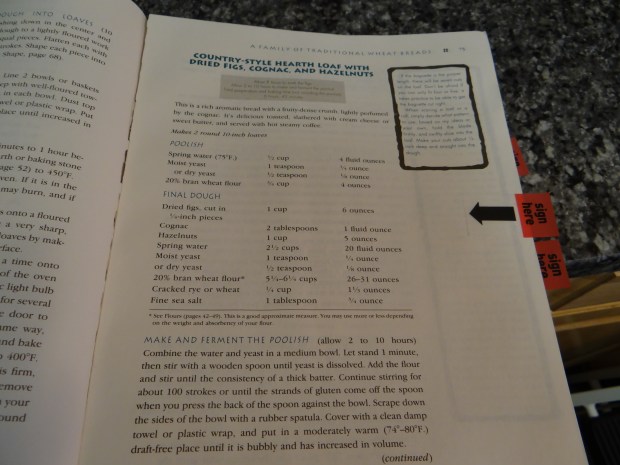


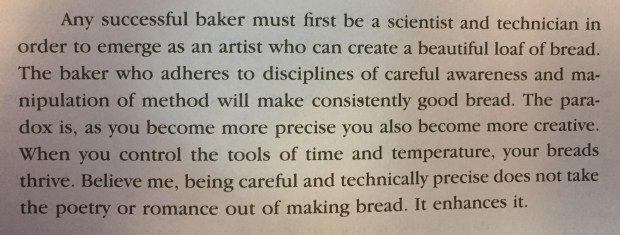
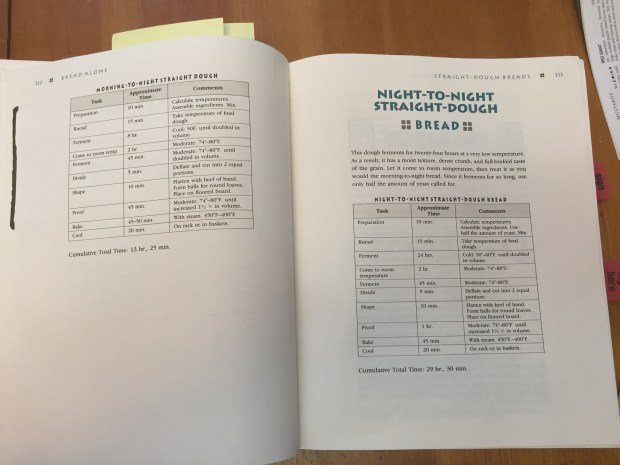
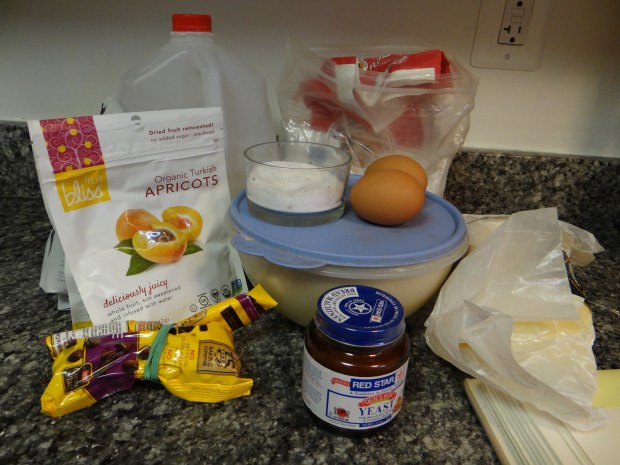
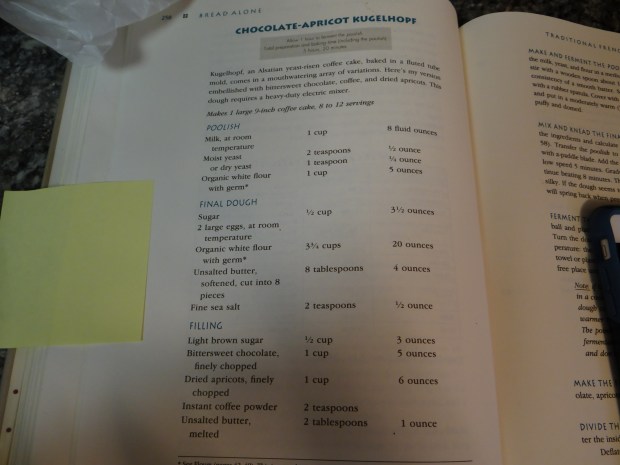
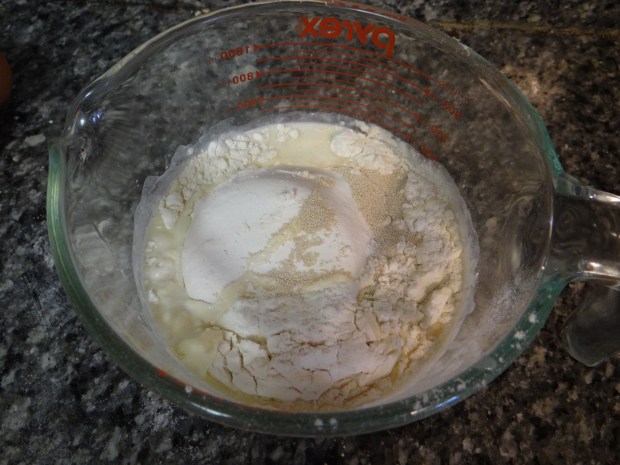


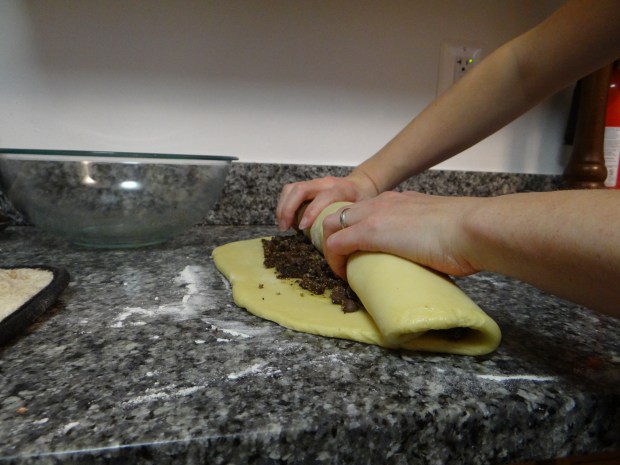
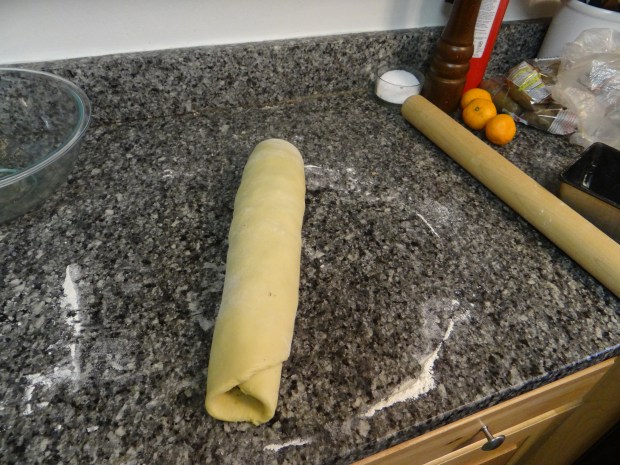
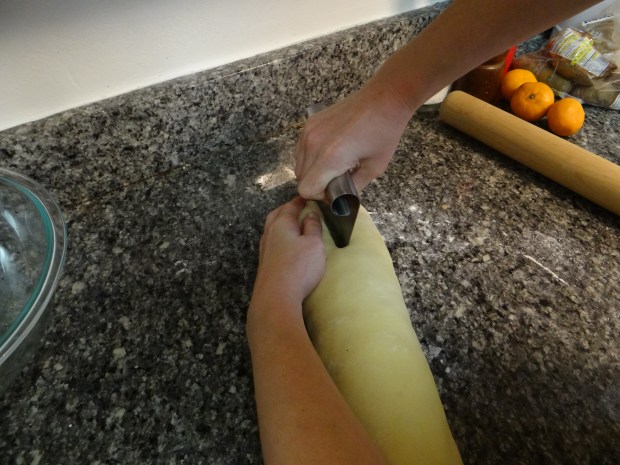
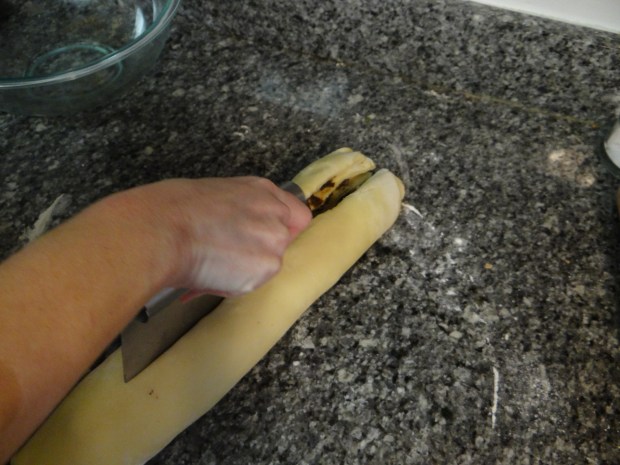

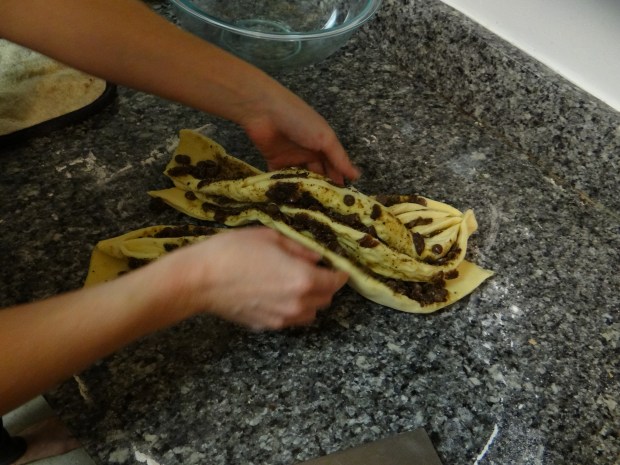
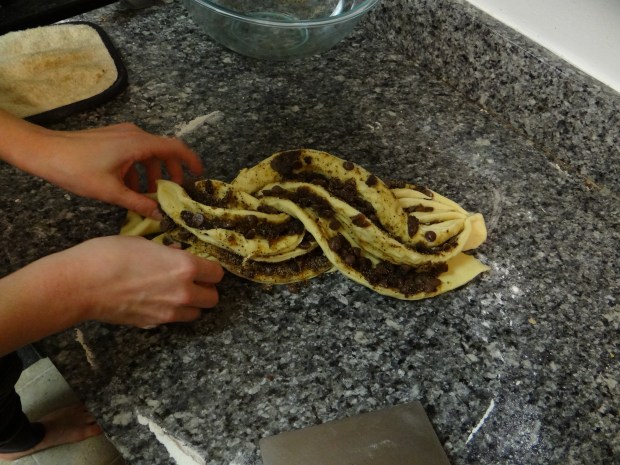
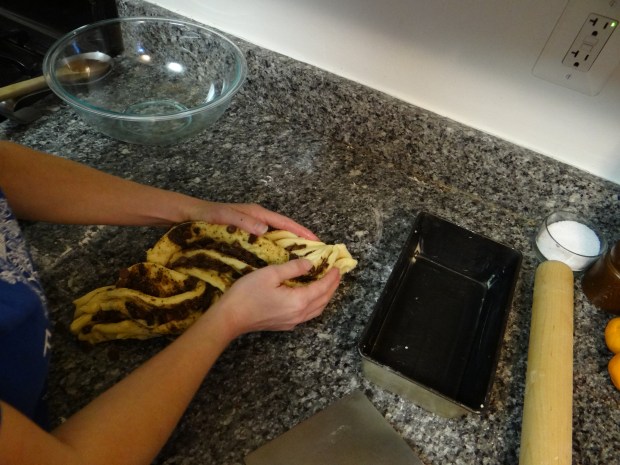
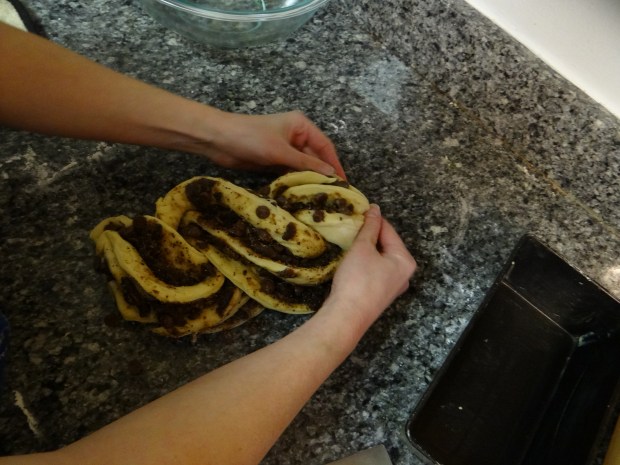
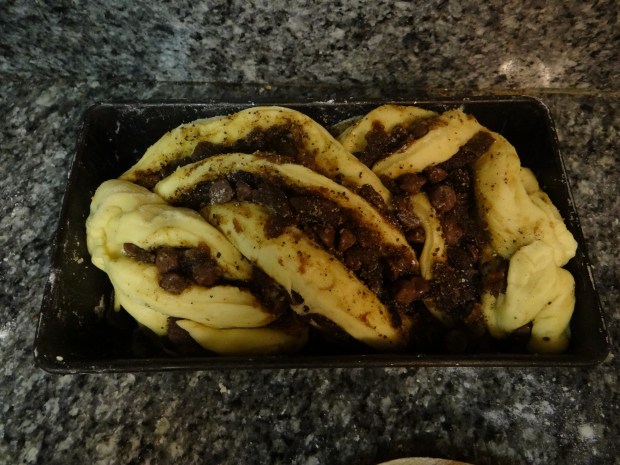
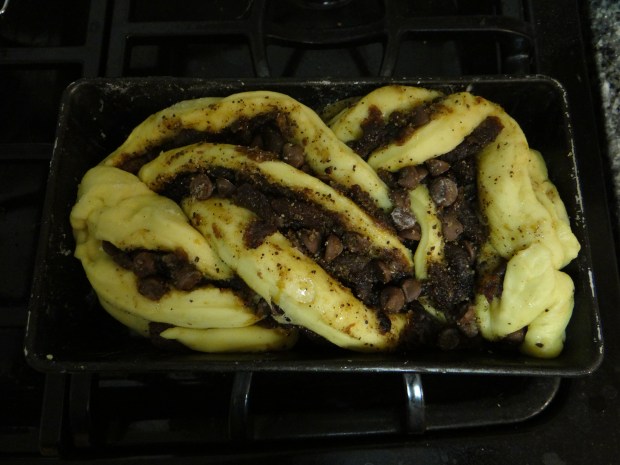

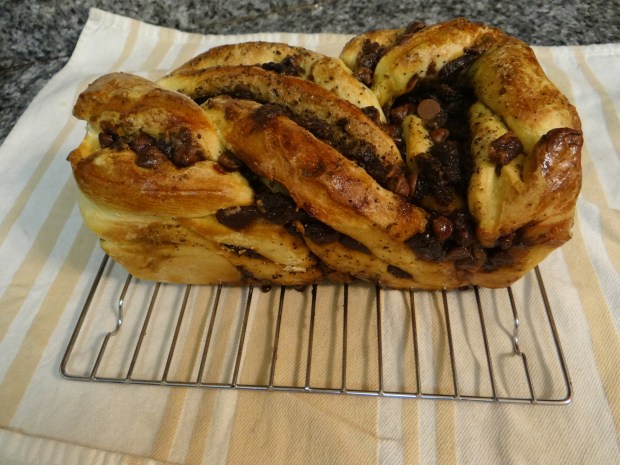
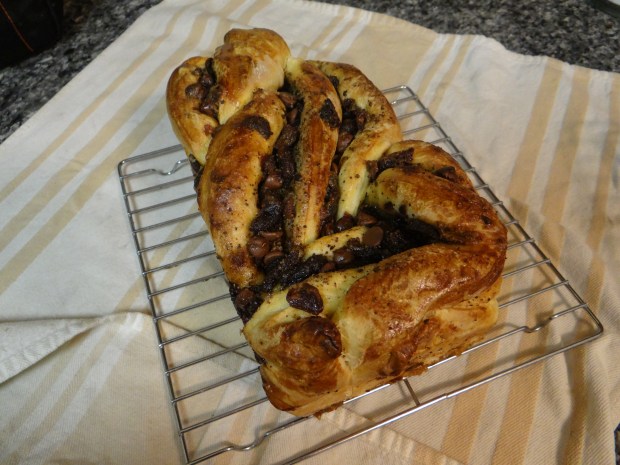



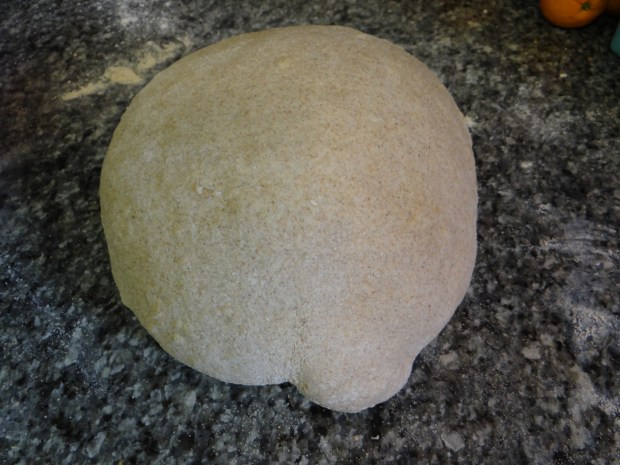


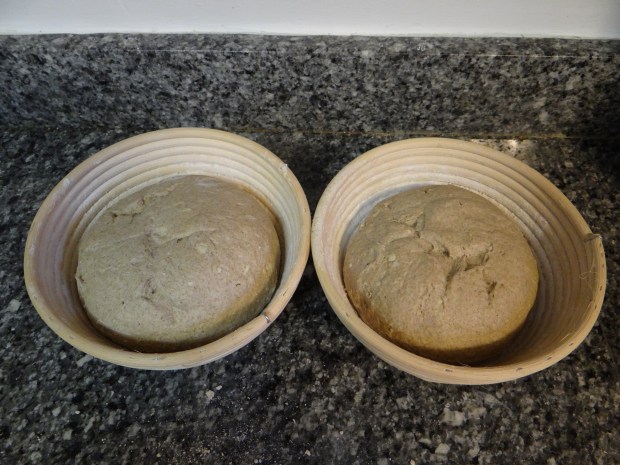

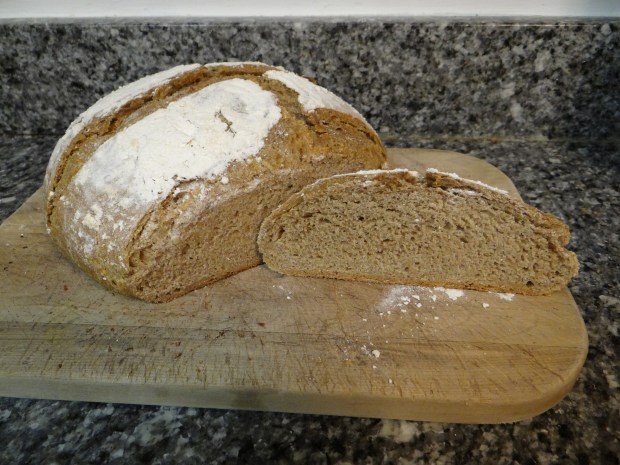

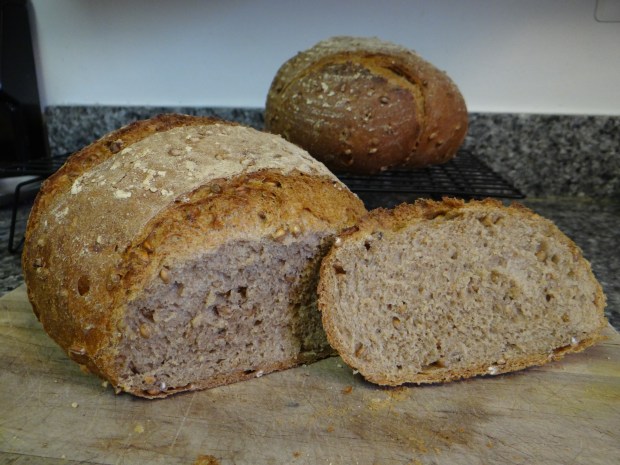 This is recipe #4 that I’ve made from Dan Leader’s Bread Alone. For the previous recipes, check out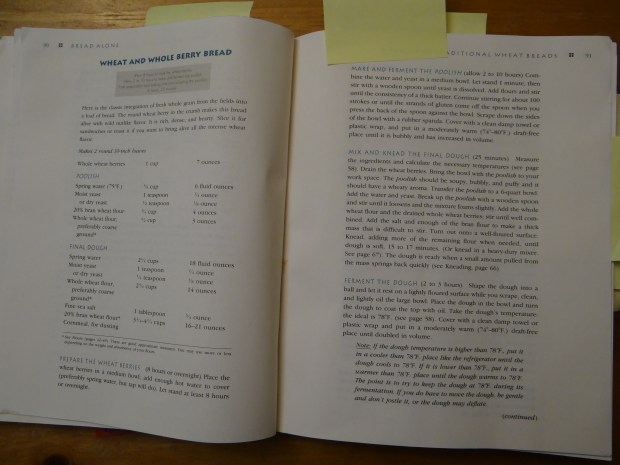
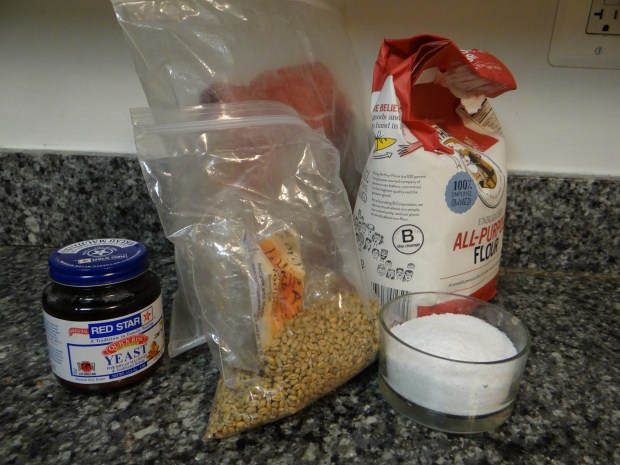
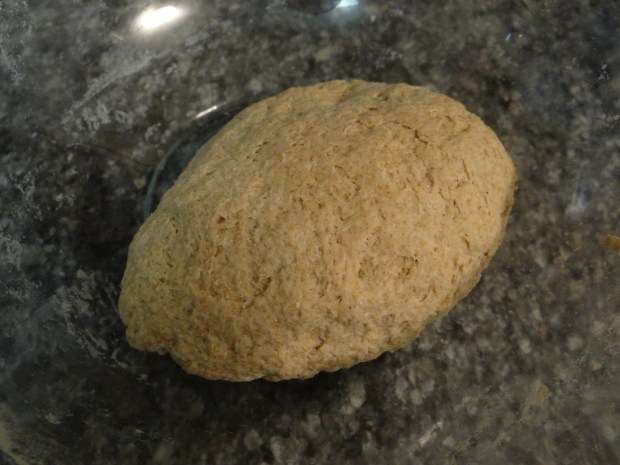
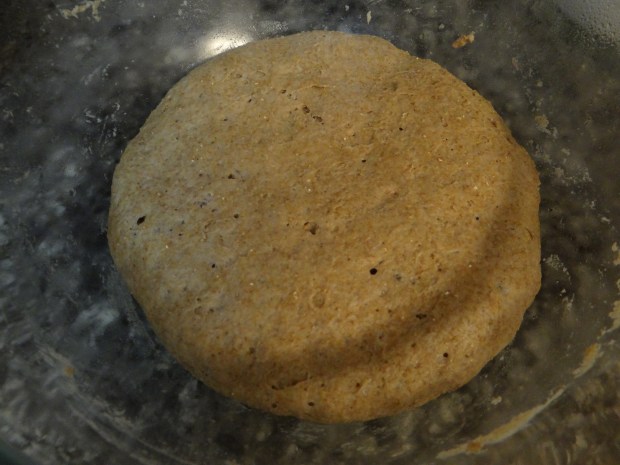
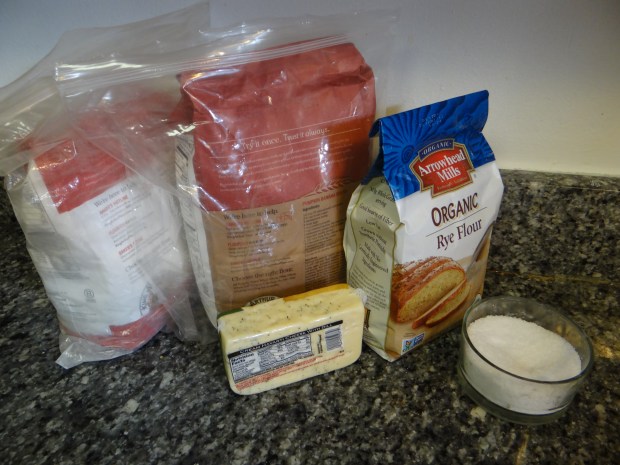
 3. Add the whole wheat flour, wheat berries and salt. Then add the 60/40 flour mix, one cup at a time, until your dough comes together to form a ball.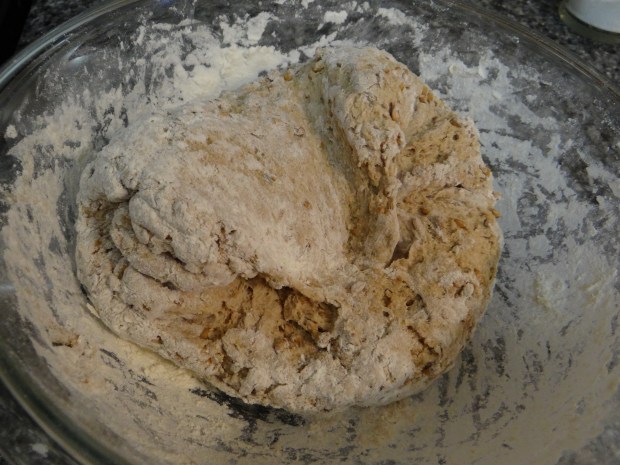
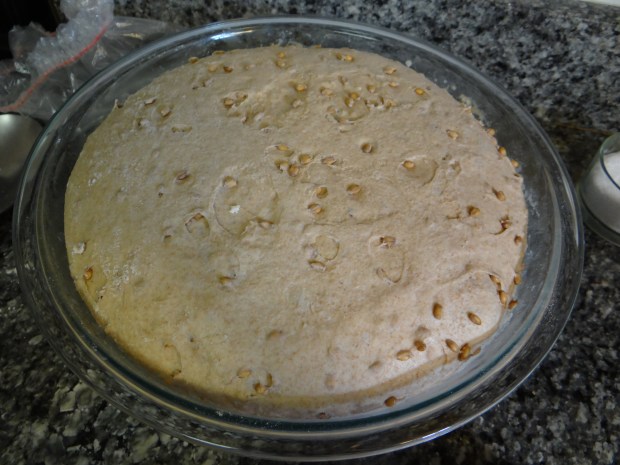 5. Divide your dough in two, roll each into balls and place them seam side up in two bannetons. Cover the bannetons with a dish or tea towel. Let rise an additional 1.5-2 hours.
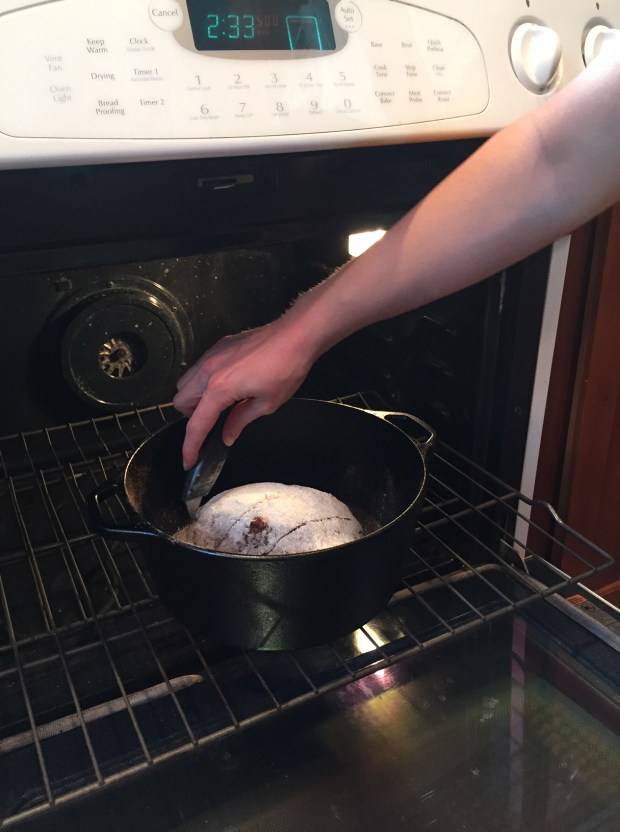
  6. 45 minutes before you plan to bake, preheat the oven to 500 degrees F with a dutch oven inside.
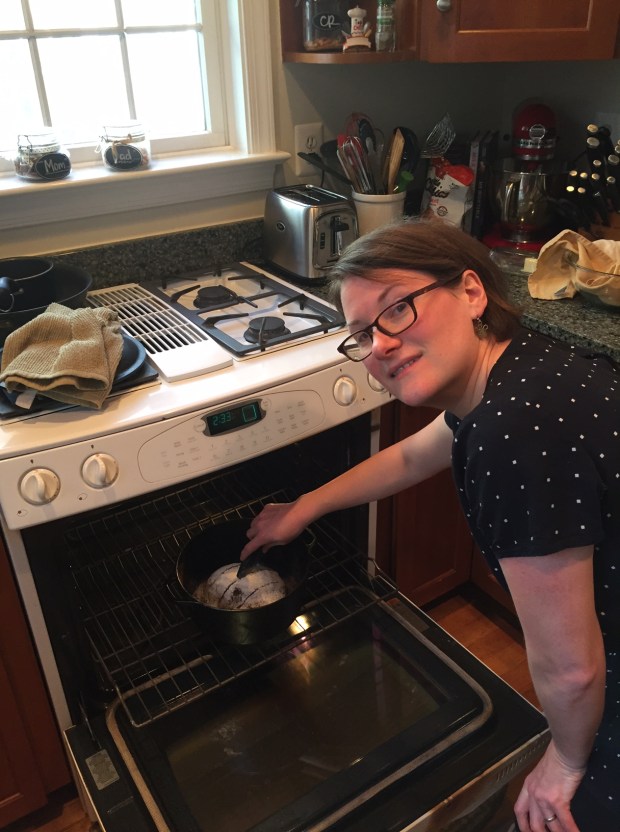
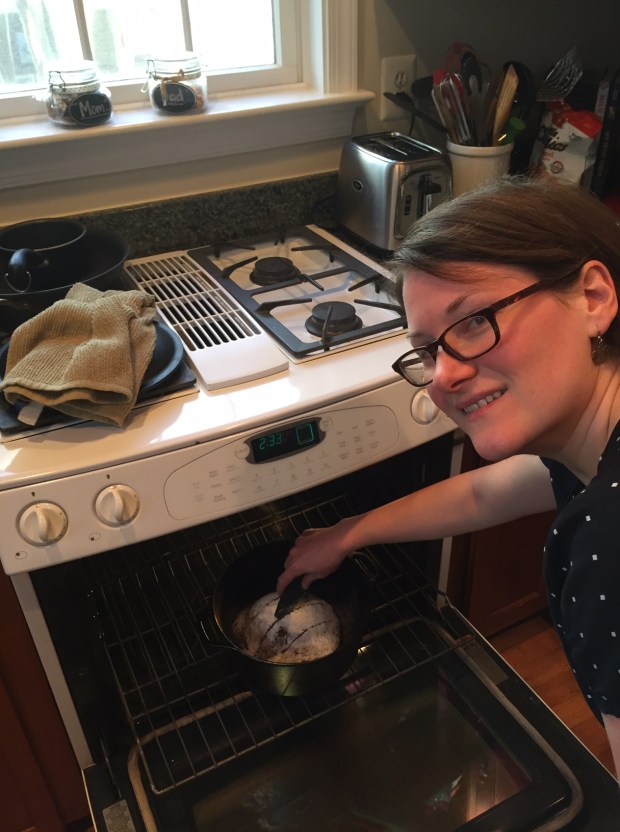
 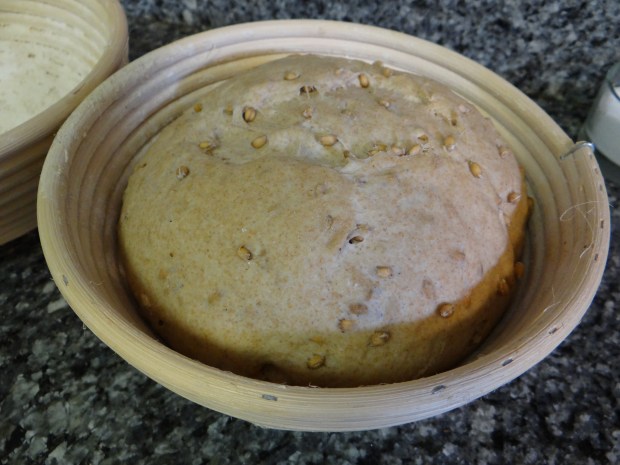 7. Bake for 15 minutes covered at 500 degrees, then bump the temperature down to 375 for 15 minutes, then remove the lid for the final 15 minutes. I forgot my bread was in the oven even though I set a timer, but thankfully it turned out ok.
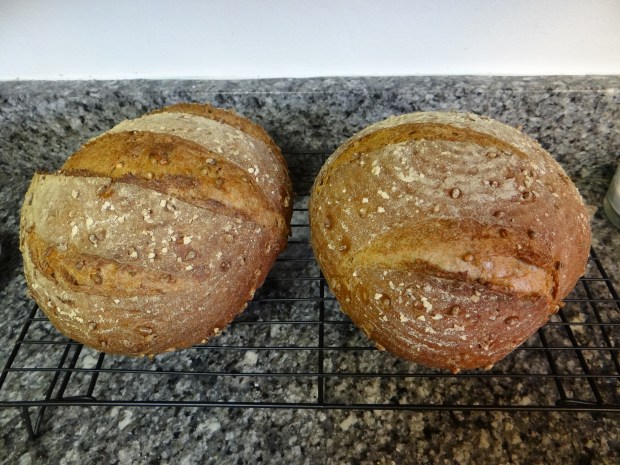
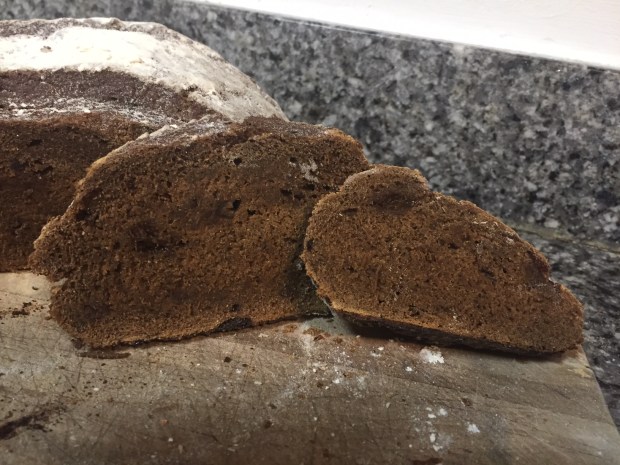 This was the third recipe I made from Dan Leader’s book Bread Alone. The other two were his cider apple bread and fig and cognac bread. I’ve remarked before that I’m sensing a fruity pattern with the recipes I tagged! I decided to let Mr. Bread Maiden pick which one he wanted me to make next and he picked this one, so maybe it’s something in the air.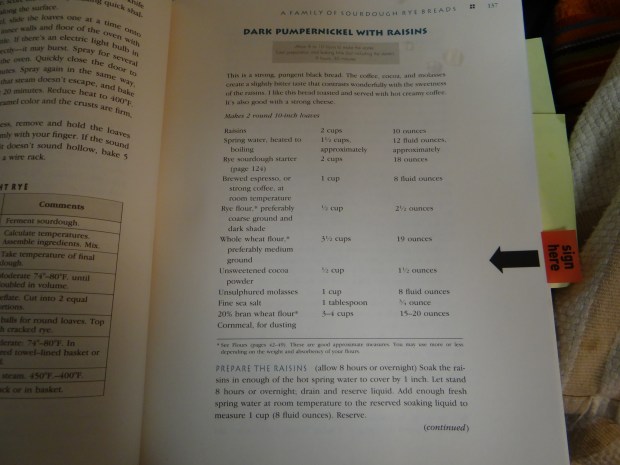

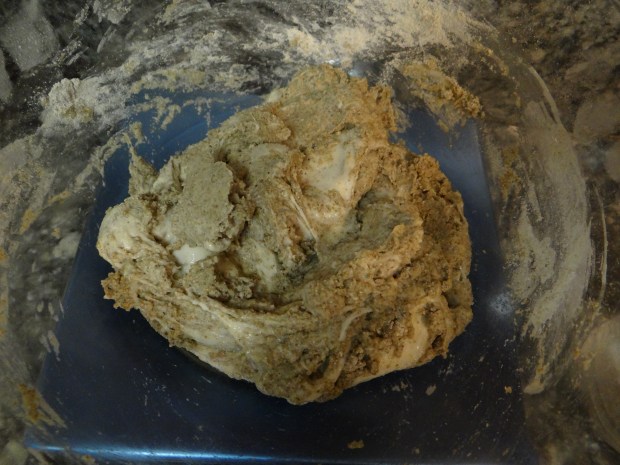
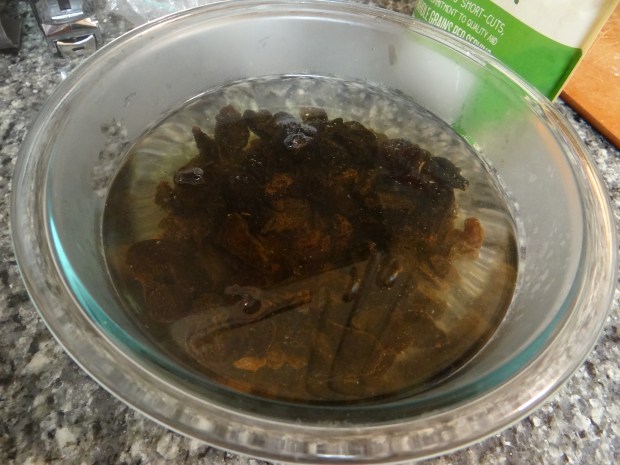
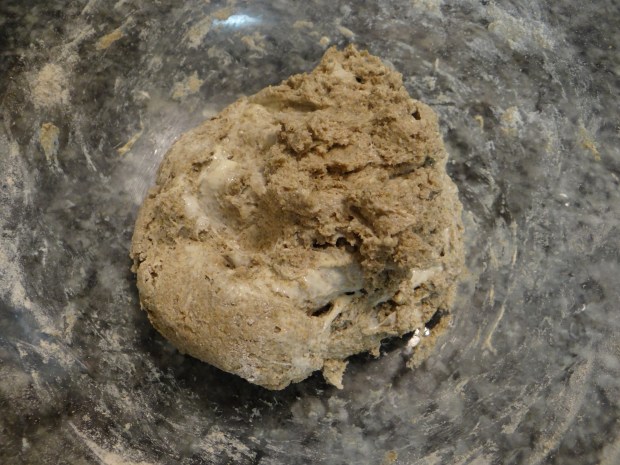
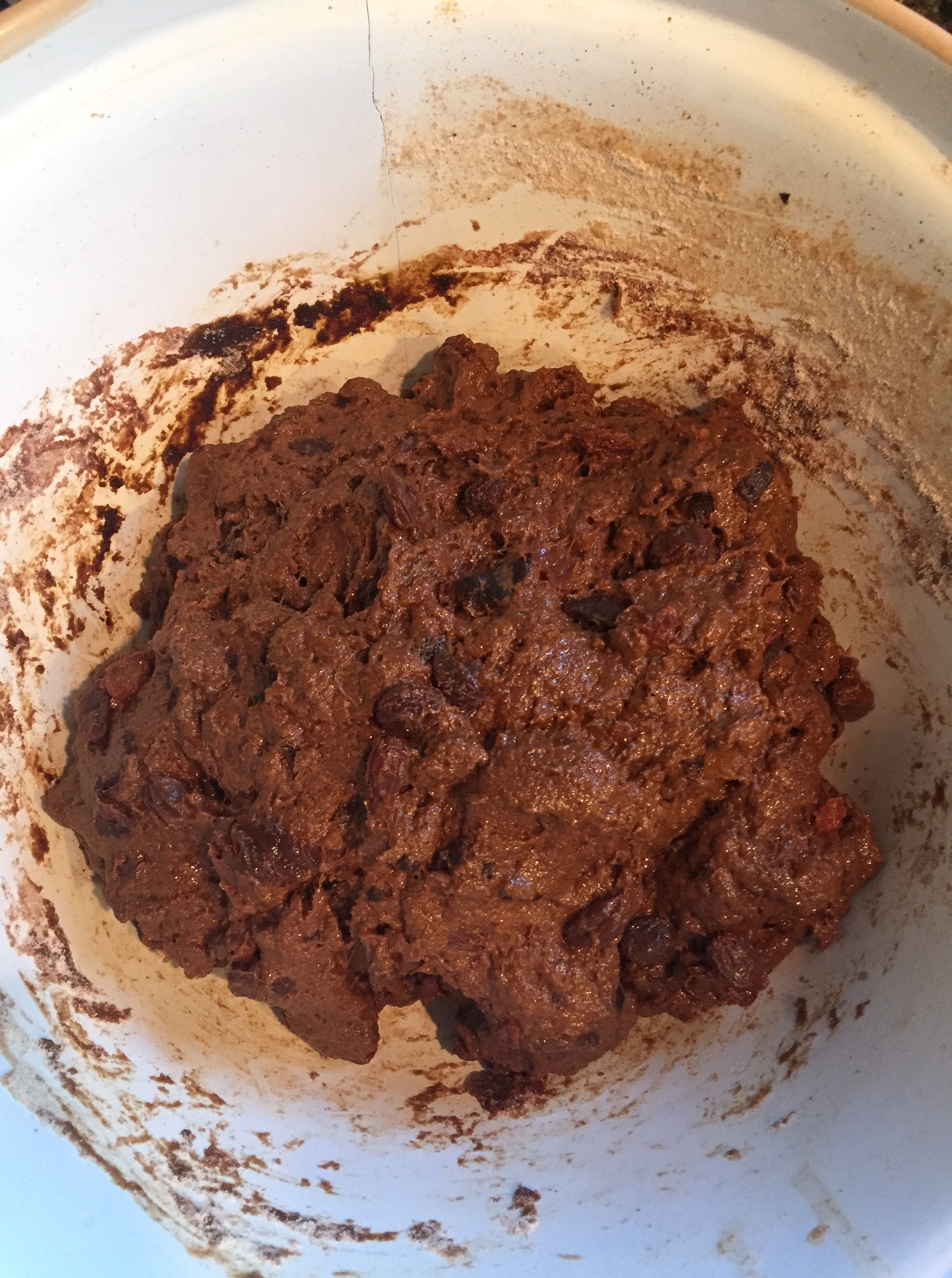 My dough was nowhere near stiff, so I had to add another cup or so of flour before it came together in a workable ball.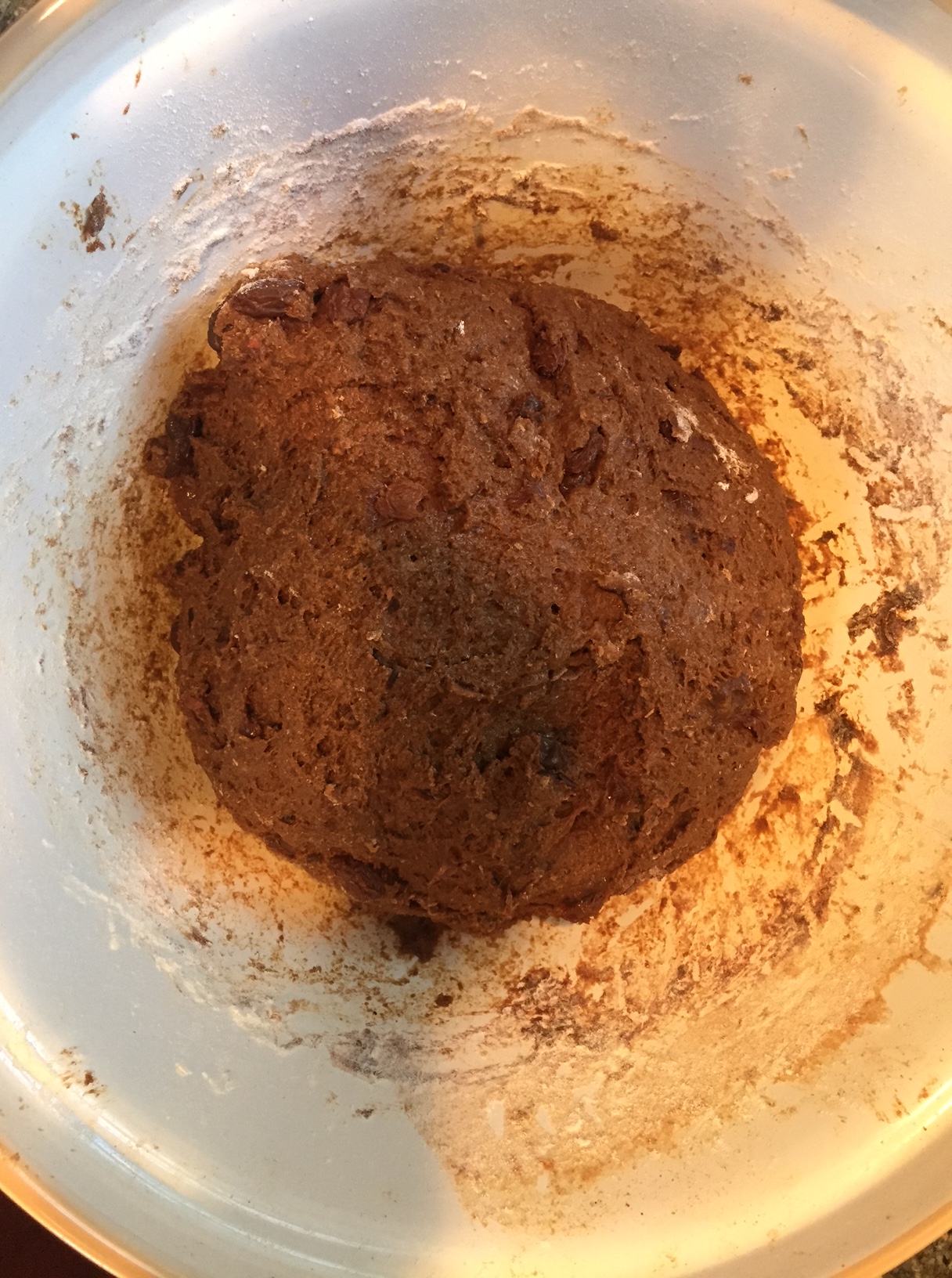


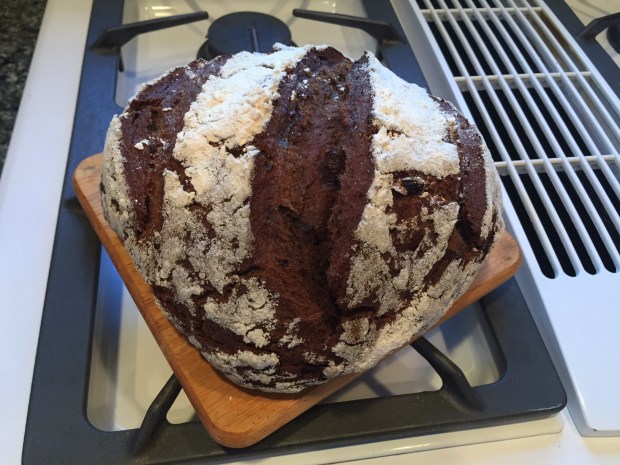

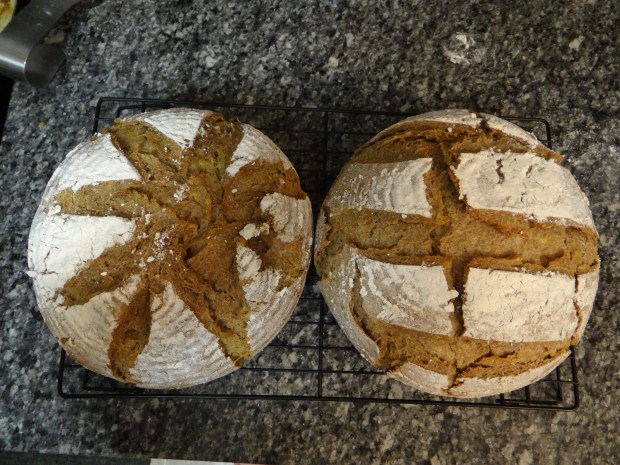
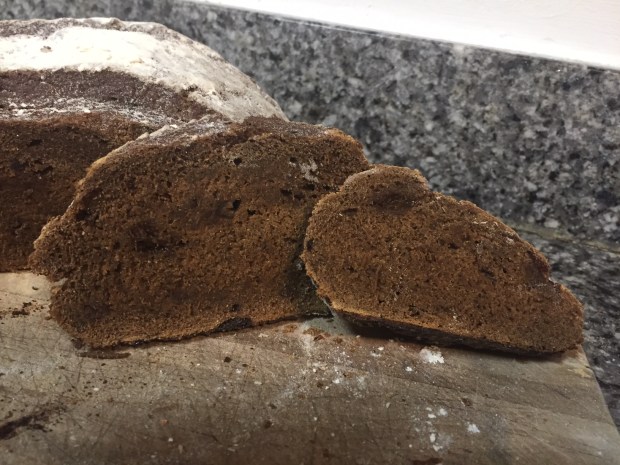 As you can see, the loaves were dense but not soggy. When I say soggy, I mean the way my rye breads used to look:
 The Bread Maiden