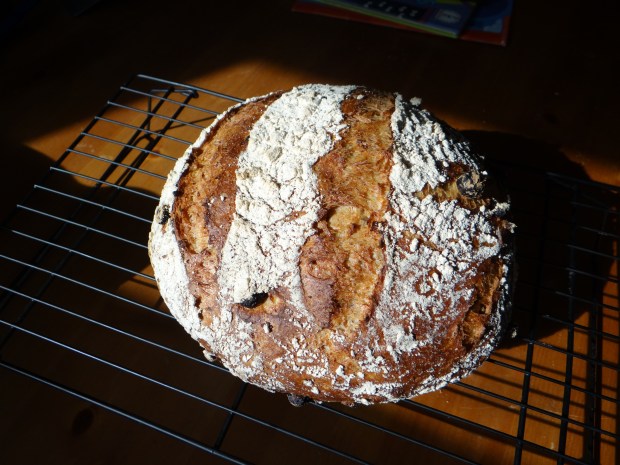
A Bread Library Review: William Rubel’s Bread: A Global History

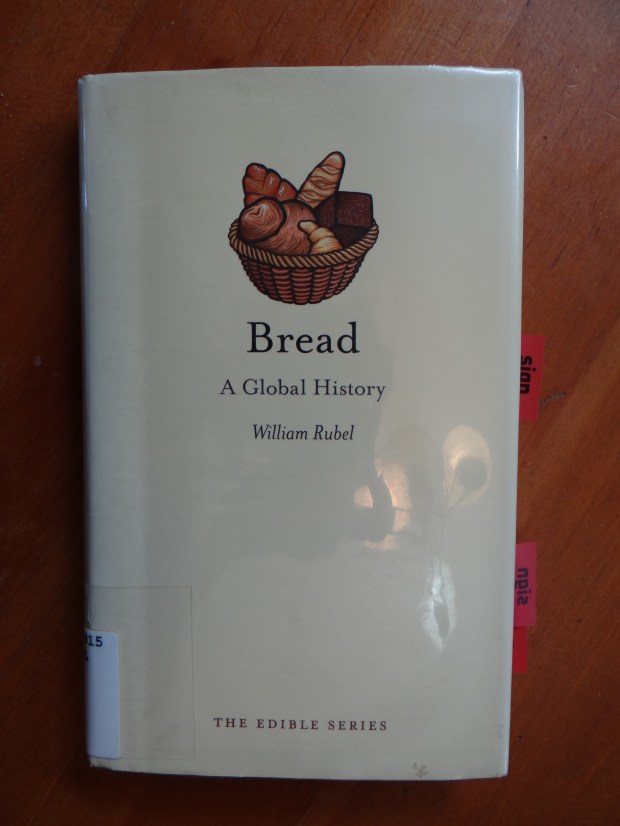
bread cover

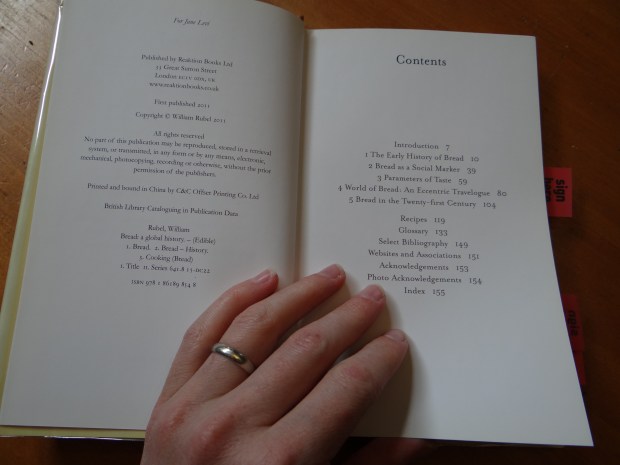
I checked out this book from the library not really expecting to learn anything new from it.DSC02971

After all, I felt pretty familiar with bread and its history.  And this book seemed too short (just over 100 pages) to provide any substantial insights.  But I was wrong. DSC02972

There was a lot to like about this book, and I recommend it to anyone, baker or not.  It’s not just a book about bread, but it uses bread as a lens to uncover social and economic differences across socioeconomic levels, across the world, and through time.  It was fascinating.

DSC02973

How crazy is this: they used to make bread so disgusting it was only suitable for horses, called horse-bread.  Some people were so poor this was the only bread they ate.

In doing so, he disproved many of my beliefs about bread.  In particular, my ideas about how long people had been consuming fluffy, airy bread made with wheat flour.  It’s only been since about World War II that there has been such an excess of milled flour that it can be sifted to include only the endosperm, the lightest, finest and most nutrient-poor part of the wheat kernel.DSC02974

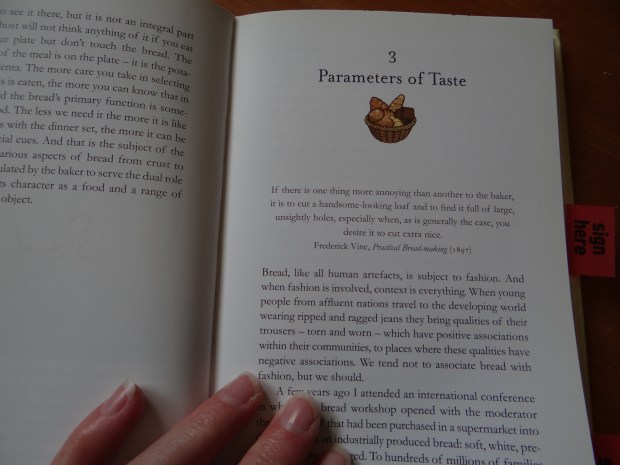
I particularly liked the chapter on parameters of taste over time – the wealthy people of different eras preferred different characteristics of their bread- sometimes large holes were desired, sometimes smaller, sandwich-bread-style holes.  When commercial yeast was first available, sourdough starter-leavened breads went out of fashion as ‘poor people’s leavening.’DSC02975DSC02976

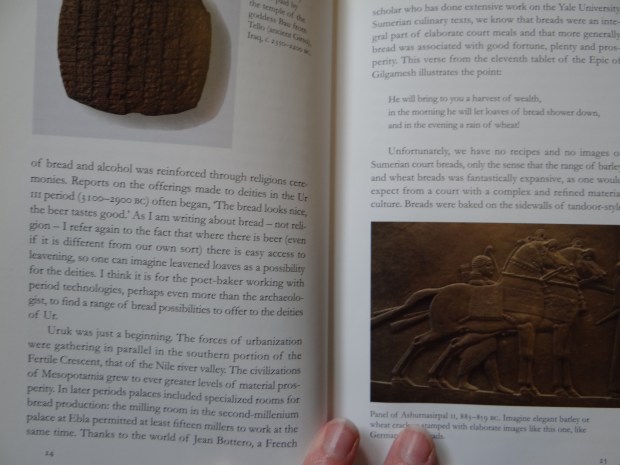
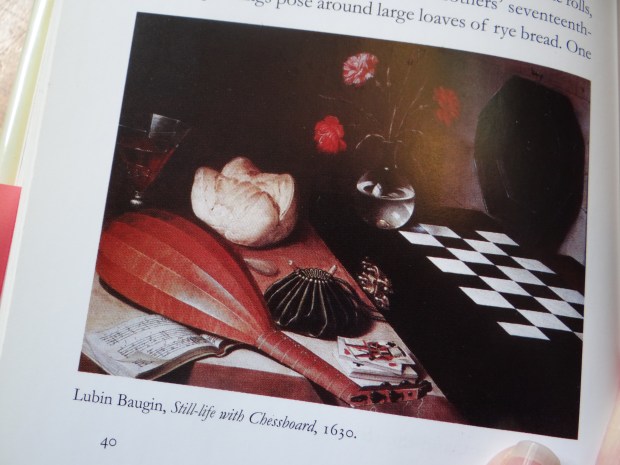
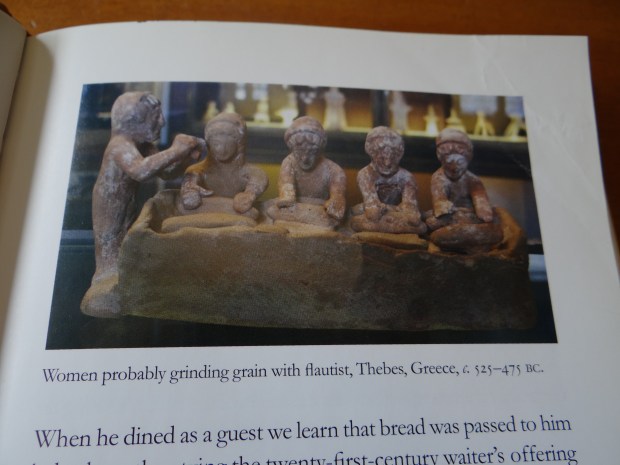
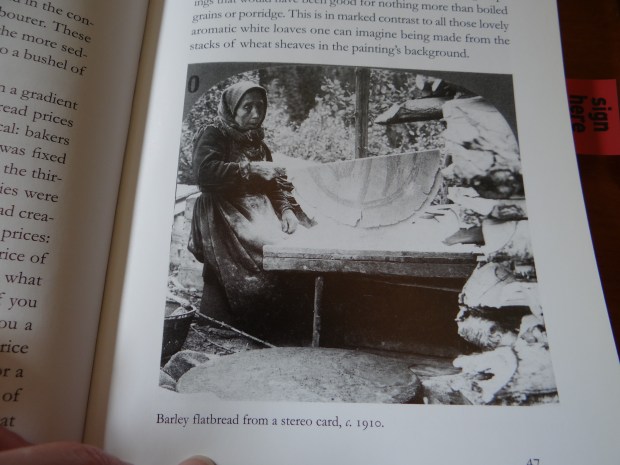
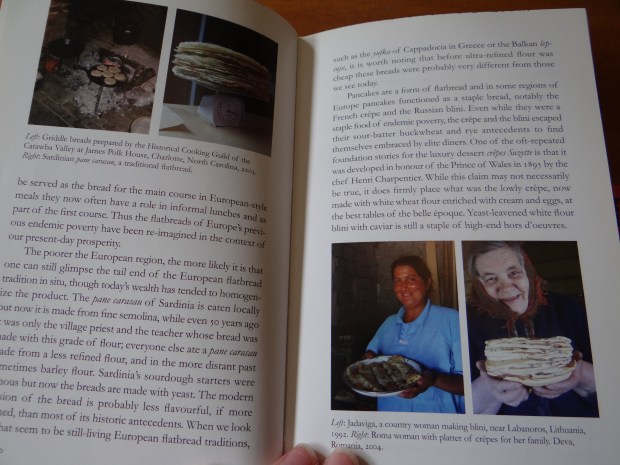
The author used paintings and other artistic artifacts like sculptures and pottery to show how tastes have changed over time, and what techniques were used to make bread at various points in history.  DSC02977

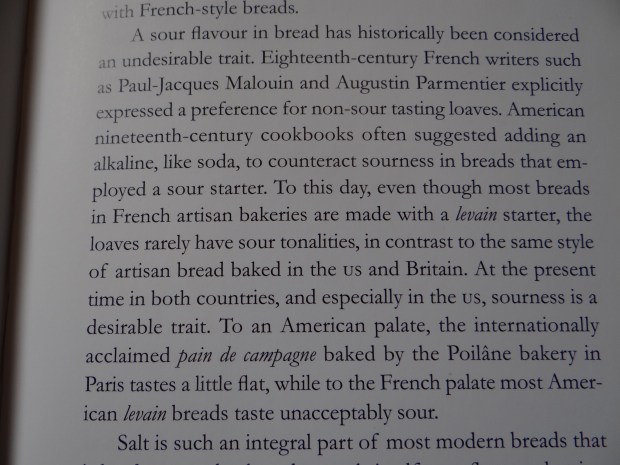
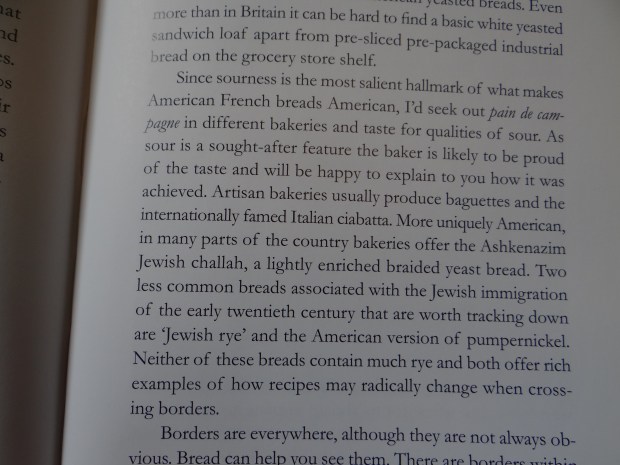
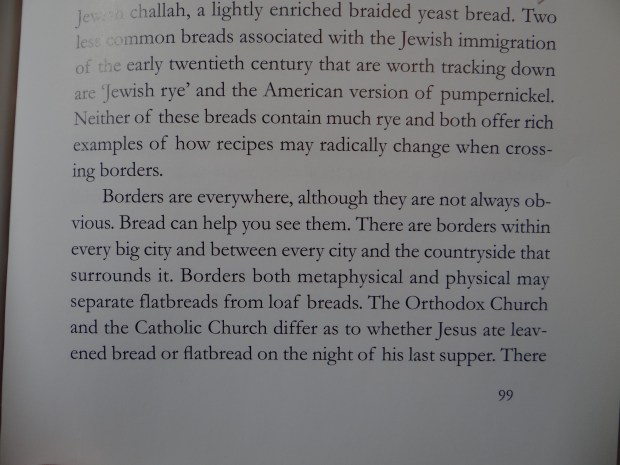
In the above paragraph, he makes a point I had also observed – light, airy American ryes are very different from dense ones you get in Europe!DSC02978DSC02983

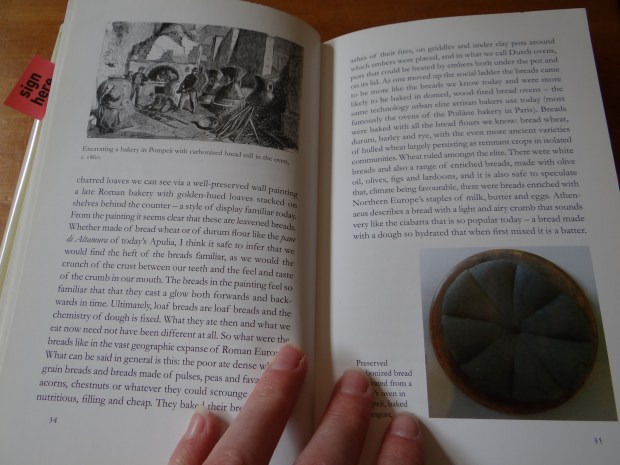
The above picture is perfectly preserved bread found in the ruins of Pompeii.  Amazing!DSC02984DSC02985

One thing that really struck me is how barley was a more common ingredient in bread for most of history, as it is easier to grow and does not require milling like wheat does.  Barley doesn’t expand when leavened, meaning most breads eaten throughout history were flatbreads.DSC02986

I could say more, but really, the book does a great job of providing a general overview of bread throughout history with enough specific examples to keep things interesting.  He also has a section in the back of the book with recipes for horse-bread and other unique breads that he developed by reading medieval and older recipes.  Given the descriptions, I’m not sure why anyone would want to attempt to bake what sound like unpalatable breads, but they are certainly interesting.

Would I recommend Rubel’s book?  Yes, to anyone with even a mild interest in baking, history, and foodways.

A Bread Library Review: Crescent Dragonwagon’s Passionate Vegetarian

passionate title

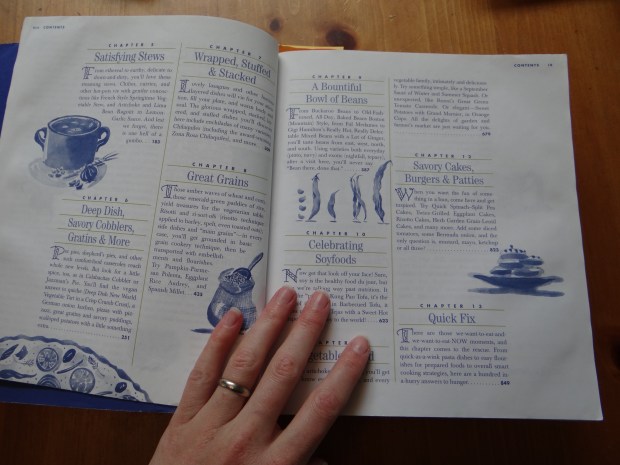
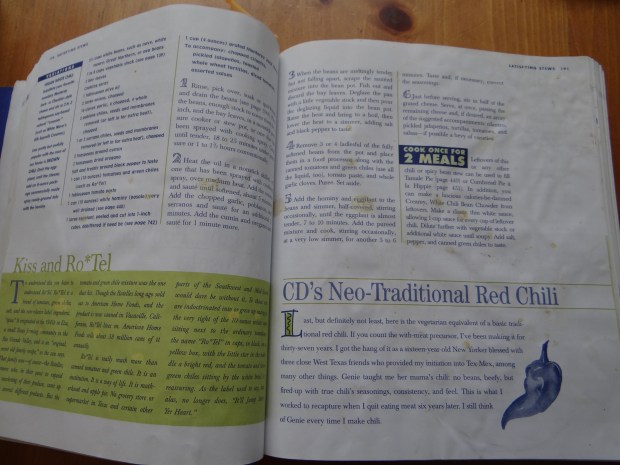
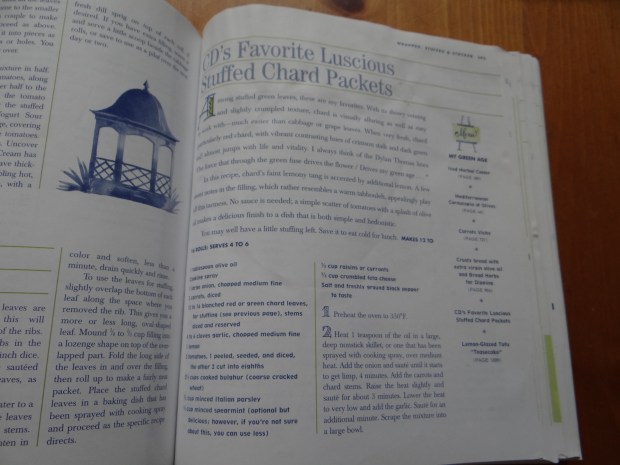
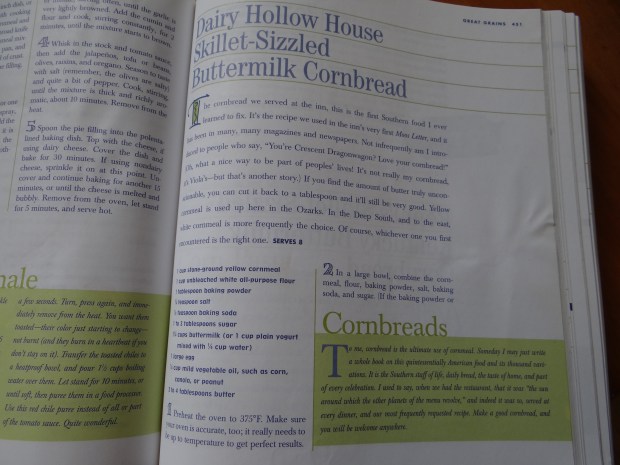
Mr. Bread Maiden and I got this cookbook from the family of a childhood friend back when we were engaged.  It’s what you might call a tome, registering over 1000 pages.  Given the huge number of recipes contained therein, in ten years we’ve only scratched the surface.  While it’s not dedicated to baking per se, there are a few bread recipes and a wonderful section on cooking grains.

DSC02953

But possibly what I love most about this cookbook is that it is clearly a labor of love, developed and written during the months and years after the author lost her husband of nearly 25 years.  Together they had owned and operated a bed-and-breakfast where they cultivated and shared their vegetarian creations with guests and travelers from all over the world.DSC02954

The book is sprinkled with stories like the one below, when they celebrated their first wedding anniversary in Paris:ned cheese cart.jpg

As I was looking through the book during my review, I couldn’t believe how many pages were stained with droplets of this or that, a testament to how many recipes I had tried.  And yet, there are still so many more.DSC02957DSC02958DSC02959

Most of the recipes were successful.  However, there was one infamous recipe from this book where Dennis took a bite and said, “please don’t ever make this again.”  DSC02960

Other recipes may be better for actual vegetarians.DSC02961DSC02962

When I saw this book is a tome, I’m not kidding.DSC02963

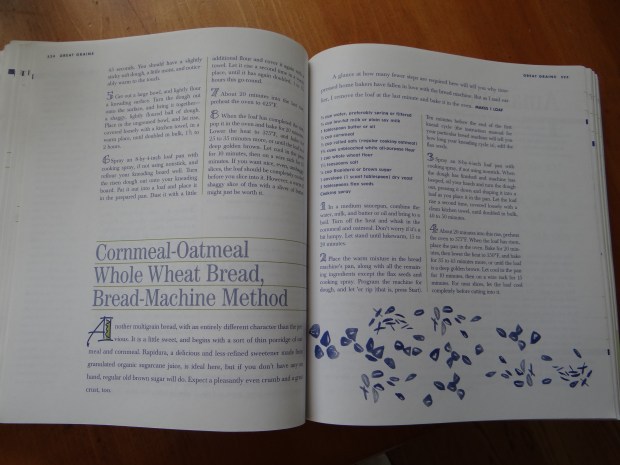
As far as using this book for baking, there are a few bread recipes.  When I used to have a bread machine, I appreciated that this recipe specifically called for one.DSC02964DSC02965

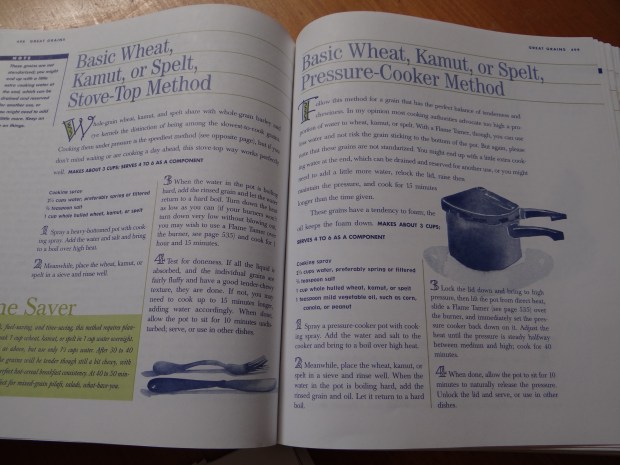
Beyond the recipes though, her knowledge of grains in general and wheat in particular is a useful jumping-off point.DSC02966DSC02967DSC02968DSC02969

I recommend this book as essential for vegetarians, useful for non-vegetarians, and worth buying also for the love story of Crescent and Ned contained within the prose.  I enjoy cookbooks where the preparations are clearly done out of love and are made to be shared.  If there’s a vegetable or grain that she hasn’t included in this book, I don’t know what it is.  It’s a wonderful resource, and a worthy addition to your bread library.

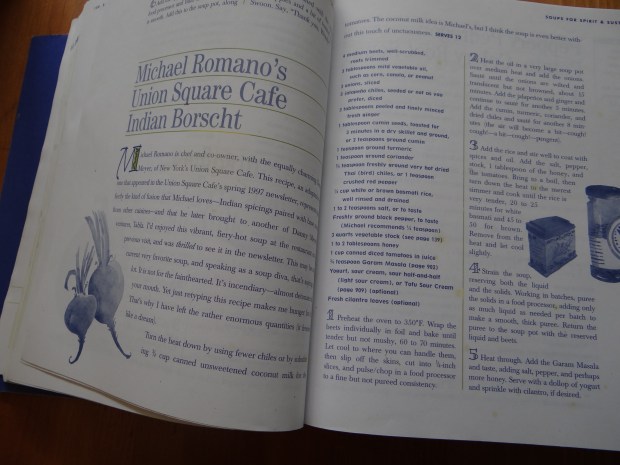
A Bread Library Review: Peter Reinhart’s Bread Revolution

DSC02938

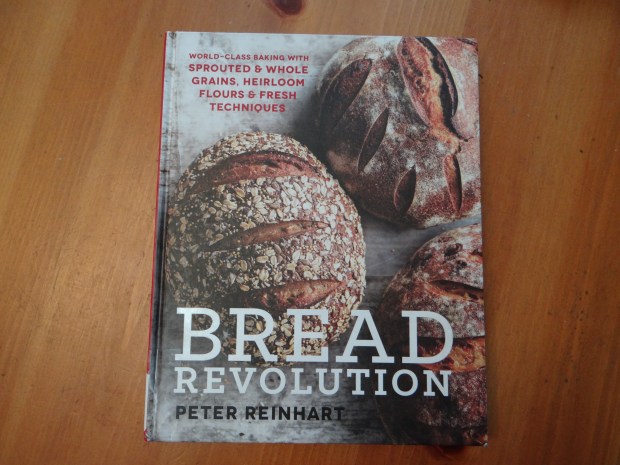
I’ve started working on an exciting project.  It’s still super tenuous, but I went to the library to pick up some resources that might point me in the right direction.  One of those was Peter Reinhart’s latest book, Bread Revolution.

DSC02939

It’s really a beautiful book, just like Whole Grain Breads is.

DSC02940

There are lots of similarities with Whole Grain Breads.

DSC02941

For one, he begins both books with an exhaustive account of the science behind the bread.

DSC02942

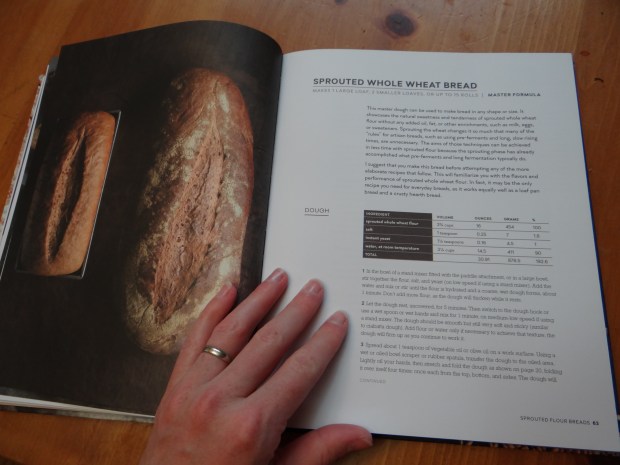
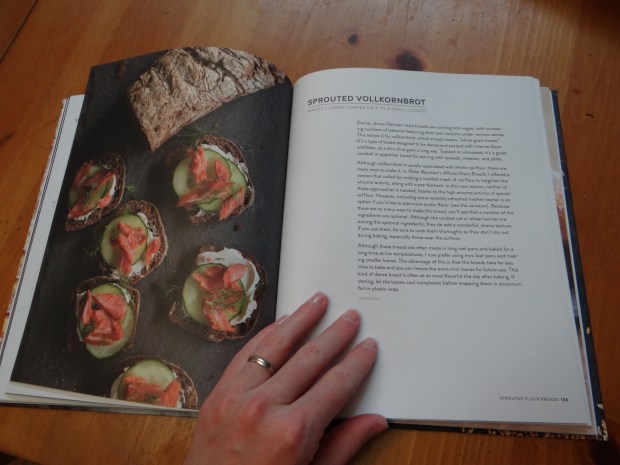
What makes this book different is that he explores sprouted grain breads.  Sprouted grains are where you take wheat kernels and soak them in water, allowing them to sprout slightly before grinding them up and either using the pulp or drying them and milling them into a sprouted grain flour.

DSC02943DSC02944

As with Whole Grain Breads, Reinhart takes his sprouted grain technique to the limit- testing it out with heavy, dense breads and ones that you think could never work, like sprouted grain croissants.DSC02945

As I perused the recipes, it became clear that they are very work-intensive and time-intensive.  Before you can even begin any of these recipes, you have to make a sourdough starter and either buy or make your own sprouted grain flour.  This process involves finding whole wheat kernels, soaking them, sprouting them, drying them (with a dehydrator!), and milling them to create a flour. This process could involve a week of work before you even have the raw ingredients to tackle one of his recipes.

DSC02946DSC02947

I did find one recipe that didn’t require sprouted grain FLOUR.  This is similar to sprouted grain recipes he included in Whole Grain Breads.DSC02948DSC02949

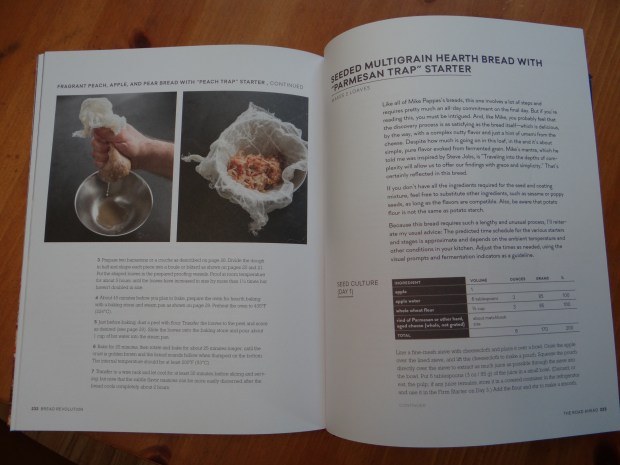
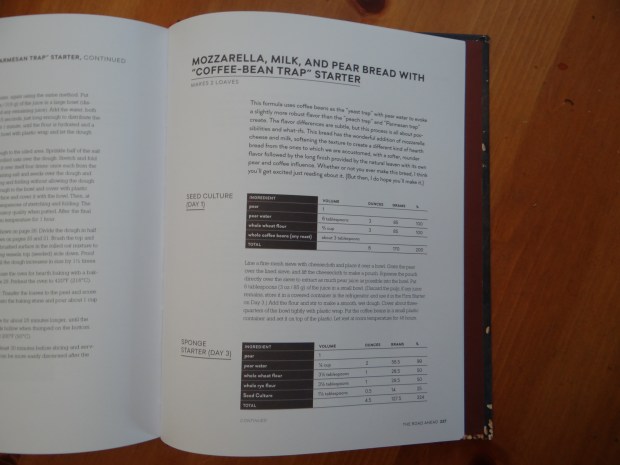
I do appreciate Reinhart always looking to take bread to the limit.  Where the book really shines is in his final chapter, which explores making starters from odd ingredients like grape skins, fresh apple juice and pulp, parmesan cheese (!!!) and ground coffee beans.

DSC02950DSC02951

This book is great for a bread “tinkerer” and a fascinating read even if you don’t make the recipes.  What keeps me coming back to Reinhart’s books is that he never assumes he knows everything there is to know about breadmaking.  He is constantly exploring new ideas and ingredients and sharing them with the world.  He has an army of testers to make sure his recipes do what he says they will do.  Also, he always gives credit where it is due- people are doing some amazing things with bread, and he builds on their efforts by sharing them in a way that is very clear and engaging.

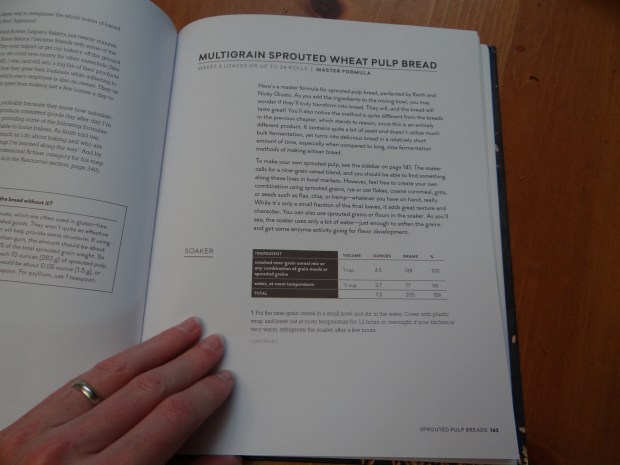
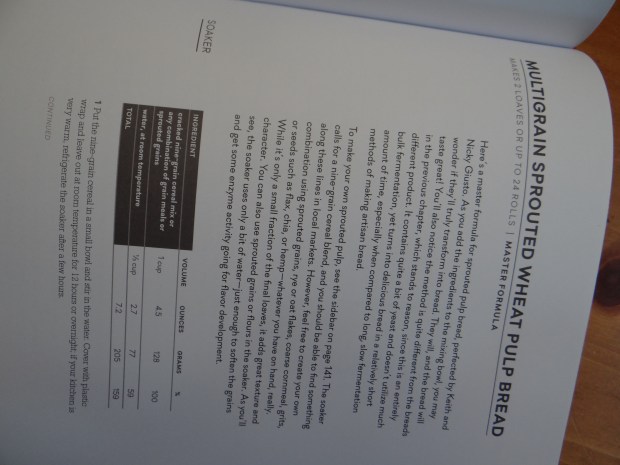
While this book won’t necessarily be helpful for me in my current project, I think it was worth looking at. And down the line I think I’ll attempt his multigrain sprouted wheat pulp bread.

Thanks for reading!


Easter Bread

DSC02928.JPG

As longtime readers may know, for the past few years I’ve helped make Easter Bread for my church.

Easter bread was my favorite part of Easter when I was a kid, so it’s really meaningful to make them for the next generation in my church family.

DSC01748.JPG

The recipe is an enriched dough with a ton of sugar, which may be why, as a child, I thought it was the most delicious thing in the world 😉

DSC01770.JPG

Each element, from the egg to the clove “nails” and the rosemary “thorns” tells the story of Jesus’s death and resurrection.

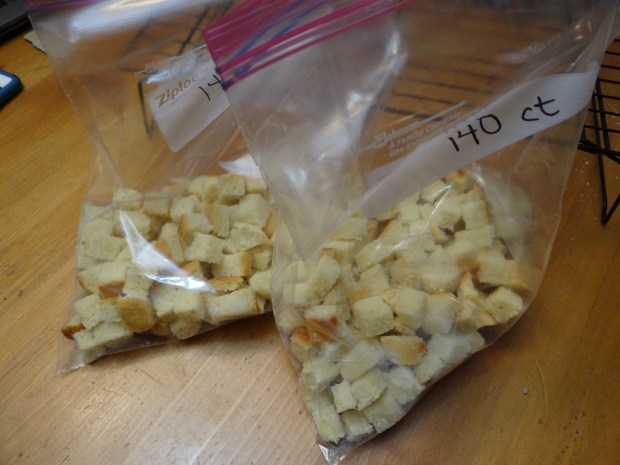
The week after Easter, we had our monthly communion.  I’ve somehow gone through all the bags of cubed communion bread that were taking up my freezer, so I needed to make some more.

DSC02566.JPG

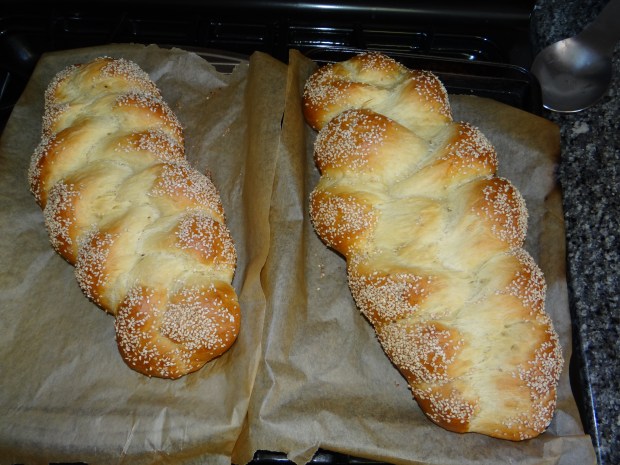
Usually I use my challah recipe, but this time I decided to mix it up and bake the Easter Bread recipe in bread pans.

DSC01750DSC01752DSC01753DSC01757DSC01759DSC01761

Then, instead of dividing up the dough into buns, I divided the dough in half, flattened it, and rolled them into loaves.

I made an egg wash, scored them down the middle, and baked for about 35 minutes at 375 degrees F.

From a single loaf, I can usually get about 300 pieces.  This time, I got about 375 pieces per loaf!

DSC02933DSC02931

Another picture of the Easter buns… styled by Little Bread Dude and his cousin.

DSC02934DSC02935DSC02936DSC02937

I wonder if people will notice a difference in the taste on Sunday.  This batch gave me five months of bread cubes for communion.

Nifty thrifty: three MORE recipes that use up leftovers

After the success of my last Nifty thrifty post, I decided to compile some more recipes I like that use up leftovers.  This time, how to use up overripe bananas, leftover Chinese takeout rice (or any rice, of course), and leftover bread ends.

 Leftover ingredient #1: Overripe bananas

705d8-cherrybananabread001

Banana bread

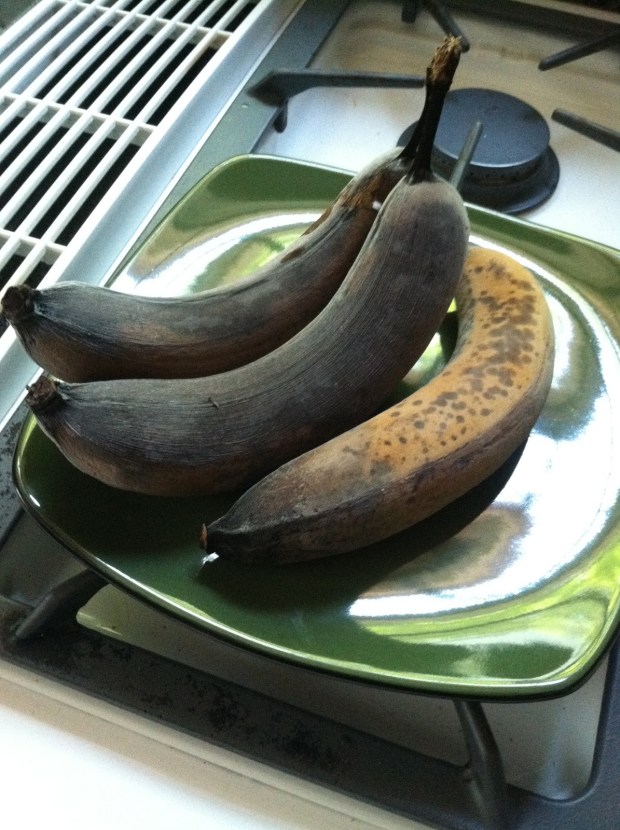
In our house, overripe bananas are always an occasion for making banana bread.  Usually I only have one or two ripe bananas, so I throw them in the freezer until I get three.

The recipe makes one average-sized loaf.

You will need:

little bit of butter (or cooking spray)
one teaspoon of flour (doesn’t matter what kind)
3 ripe bananas
Grated rind and juice of one lemon
1/4 cup peanut oil
1/2 cup brown sugar or 1/2 cup white sugar and 1 tsp molasses
3 tablespoons of buttermilk or plain yogurt
2 cups unbleached AP flour, whole wheat pastry flour, or some other low-protein combination of flours
1/2 tsp salt
1/2 tsp baking powder
1/2 tsp baking soda
fresh nutmeg
1/2 tsp ground cinnamon
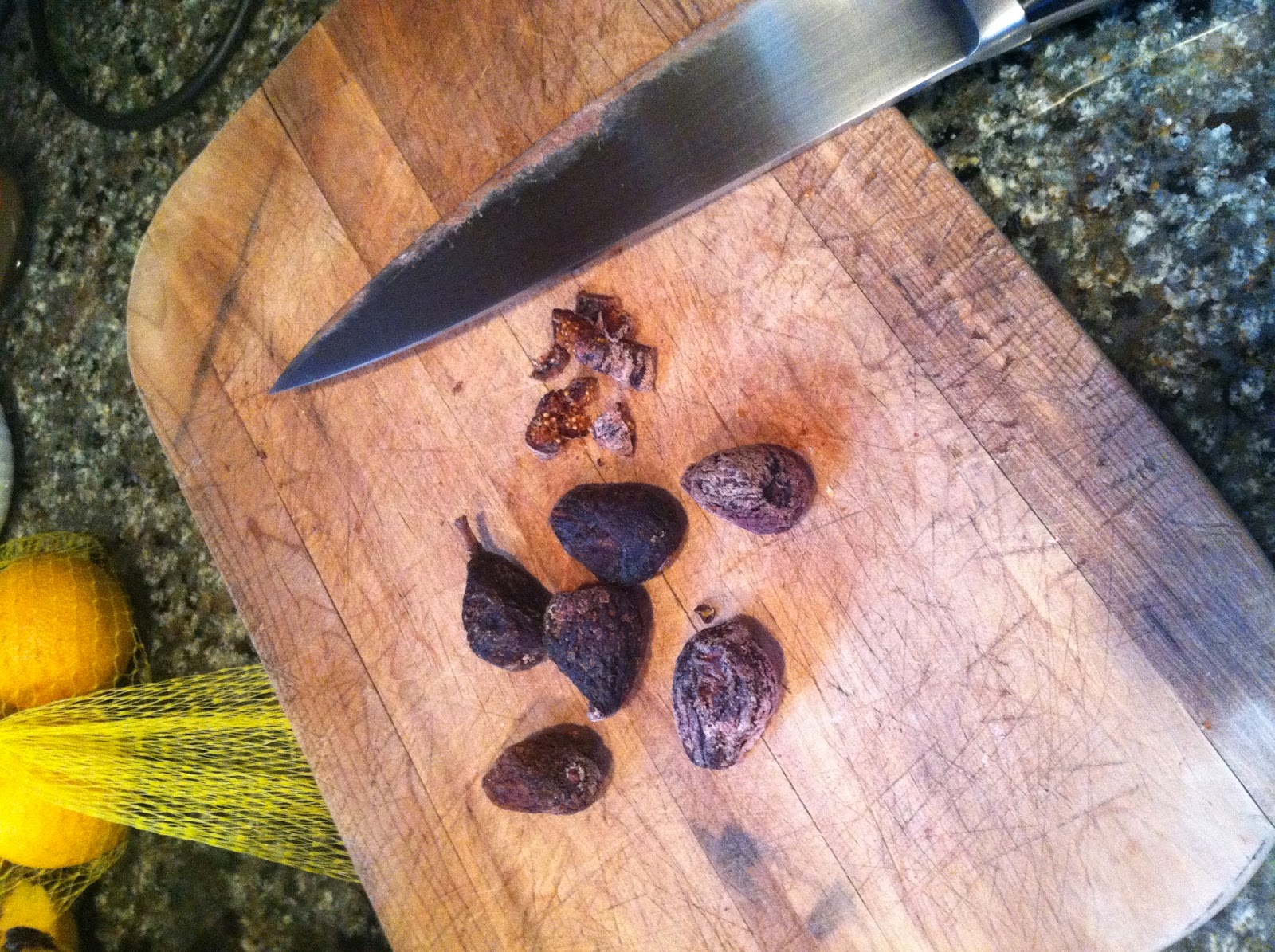
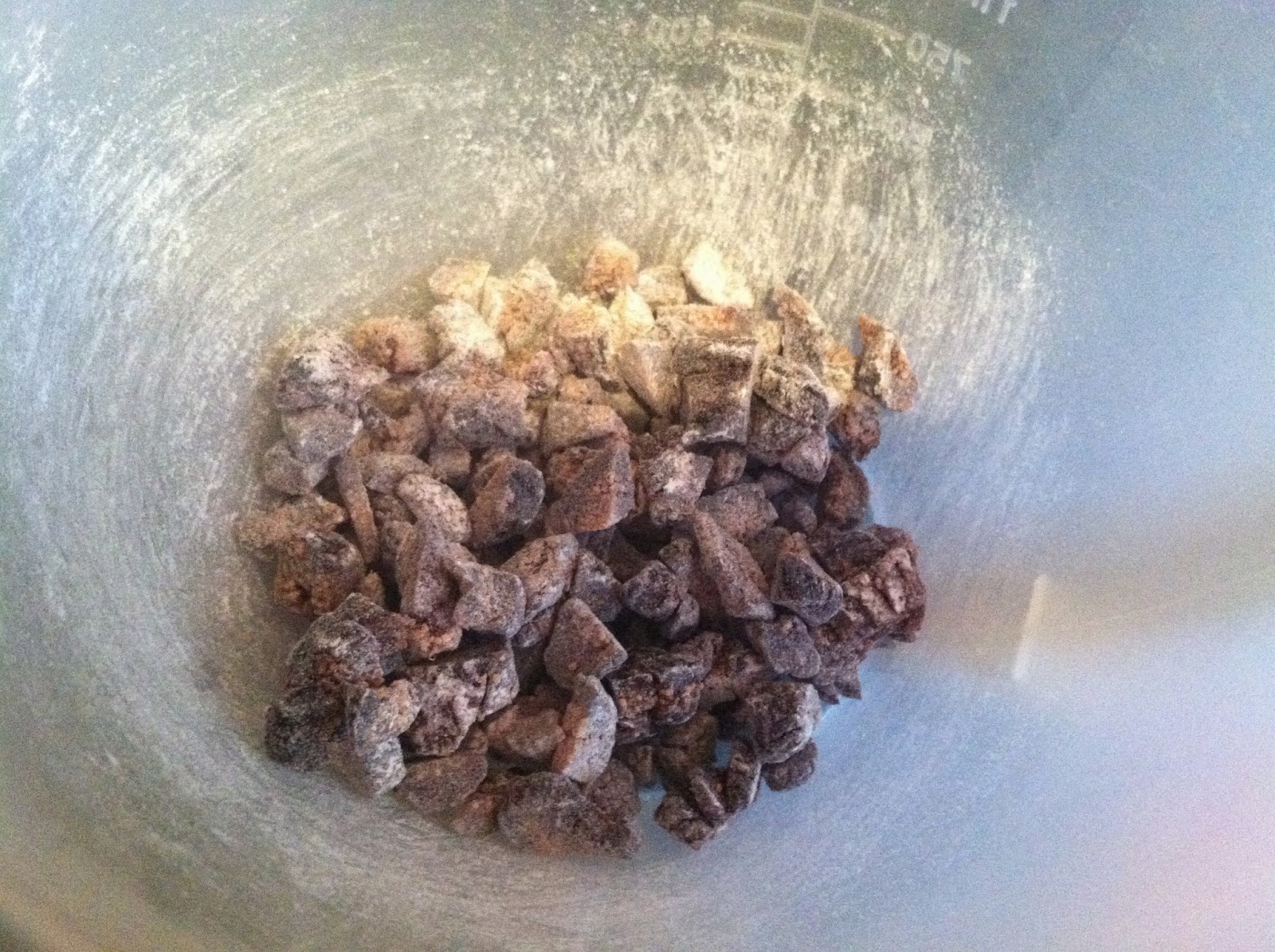
1 cup chopped dates (or figs)

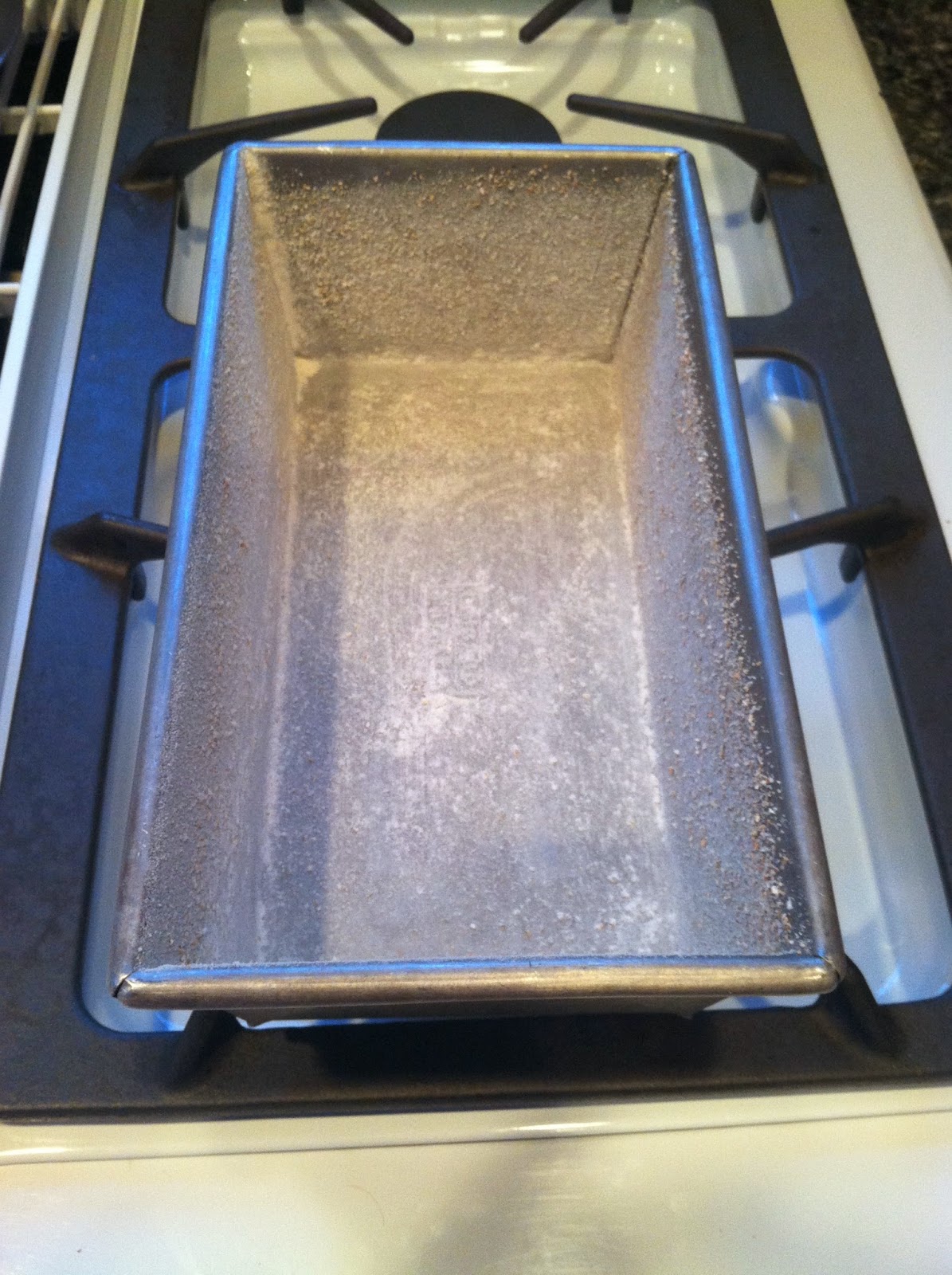
1. Preheat the oven to 375 degrees F.  Butter and flour your pan and set aside.

2. Put your three ripe bananas, lemon rind, lemon juice, oil, brown sugar, and buttermilk in the food processor.  Buzz to make a smooth puree.

3. At this point I should probably back up, for those who thought, “brown sugar? I thought you said I could use white sugar and molasses.”  And I did.  Here’s why.

You can take a fork to white sugar and molasses to make your own brown sugar.  It’s super easy and it’s actually how they make commercial brown sugar too!

4. Ok, once you have set aside your banana puree, you can move on to the dry ingredients.  Whisk together the flour, salt, baking powder, baking soda, nutmeg and cinnamon in a large bowl.

5.  Take a tablespoon of flour and mix it with the chopped figs until they are fully coated with the flour.

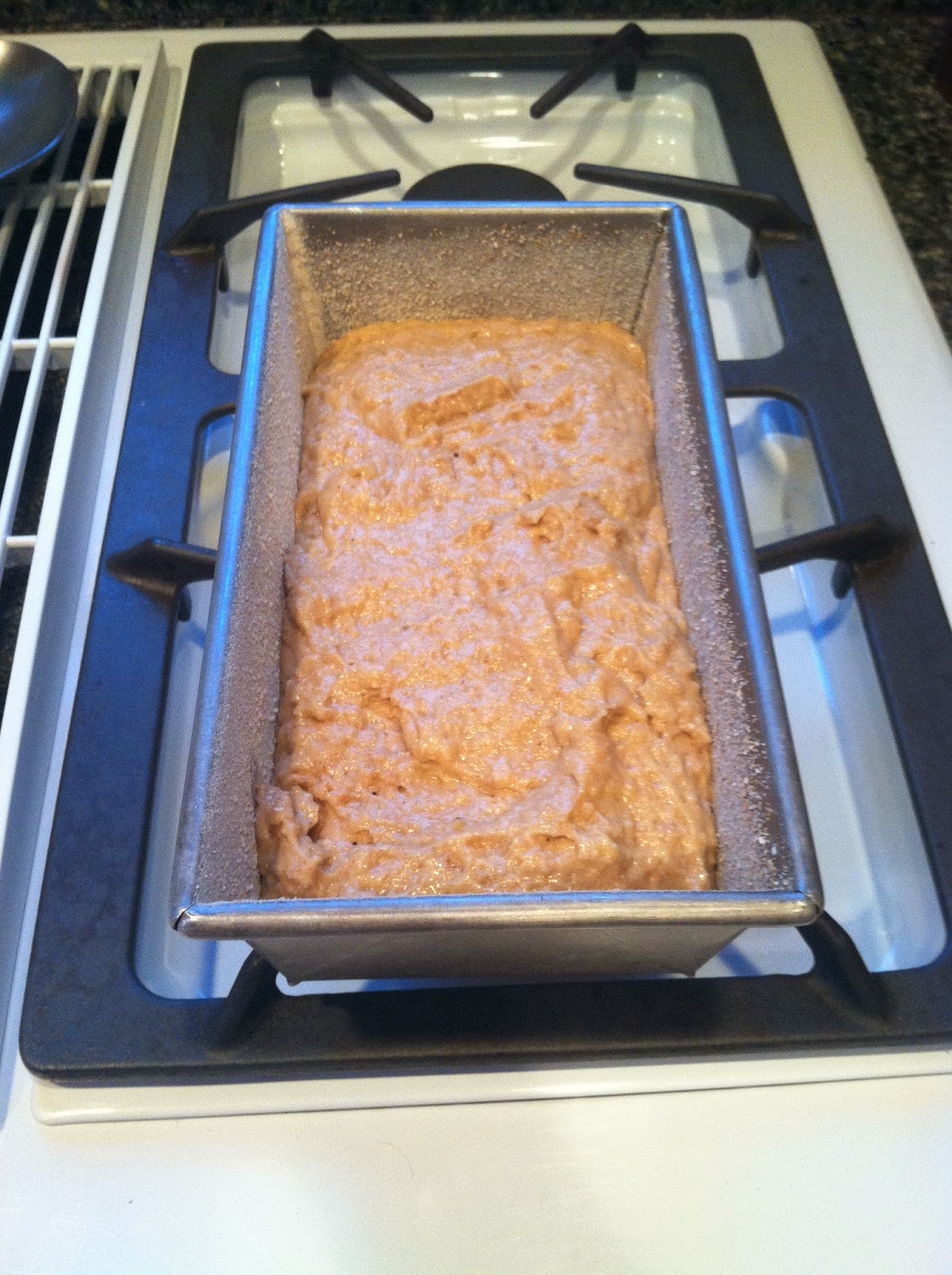
6. Pour the banana mixture into the flour mixture along with the figs and stir to combine but not too much!  Pour the batter into your pan and smooth out the top.
7.  At this point I was set to put the pan in the oven when I realized I hadn’t added the figs.  Oops!  I dumped the figs on top and tried to squish them in the best I could.

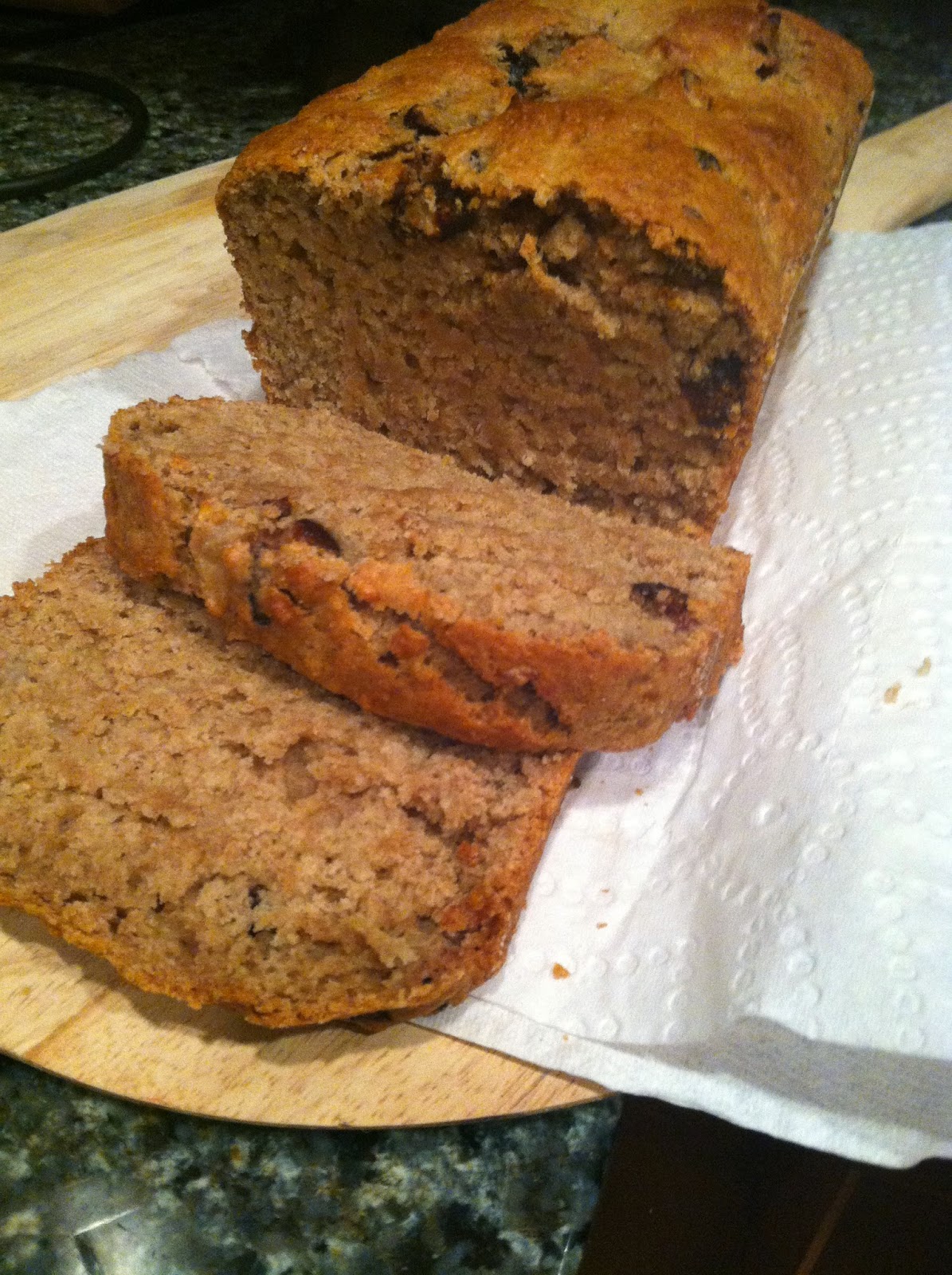
8.  Put in the oven and bake for about 40-50 minutes.  Take it out and let it rest for ten minutes before turning it out onto a cooling rack.

Looks pretty good!  Here it is once it cooled and I could cut it into slices.


Leftover ingredient #2: Leftover rice

7b754-ricetortapart

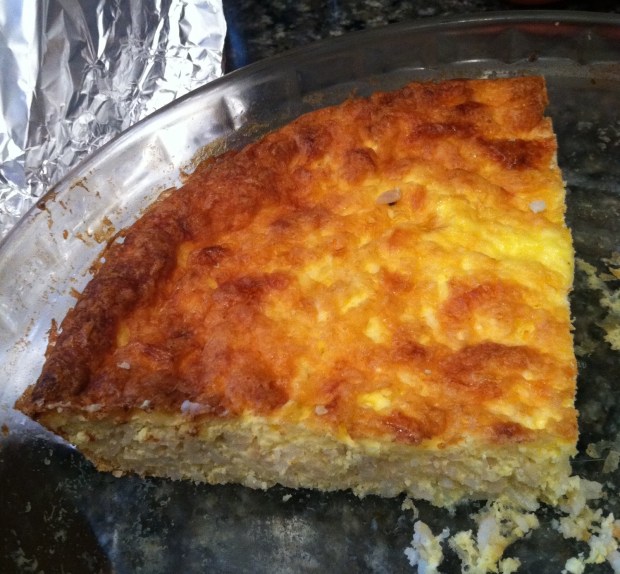
Torta di riso salata

dsc02923

For the basic recipe, you will need:

3 cups cooked rice

1 cup shredded cheese, such as cheddar or Monterrey jack

4 large eggs

1/4 cup milk

butter for greasing pie pan

salt and pepper to taste

You can also mix it up with:

1 cup mix of frozen, cooked or raw vegetables (e.g. frozen spinach, frozen mixed vegetables, cooked asparagus, raw baby greens) or cooked meat such as hamburger or sausage

  1. Preheat oven to 425.  Grease one glass pie pan.
  2. Whisk eggs and milk in a medium bowl.  Set aside.
  3. Mix vegetables, rice, cheese, pepper and salt in a large bowl.
  4. Pour egg and milk mixture into the vegetable and rice mixture and stir to combine.
  5. Pour the whole thing into your pie pan, then bake in the oven for 25 minutes or until the top is nicely browned.


Leftover ingredient #3: Bread ends and crusts

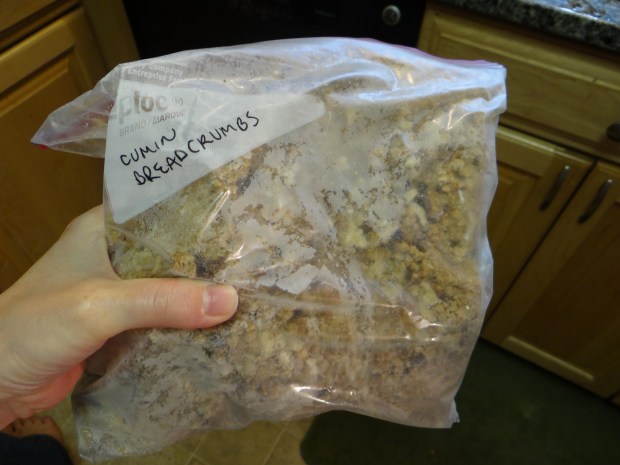
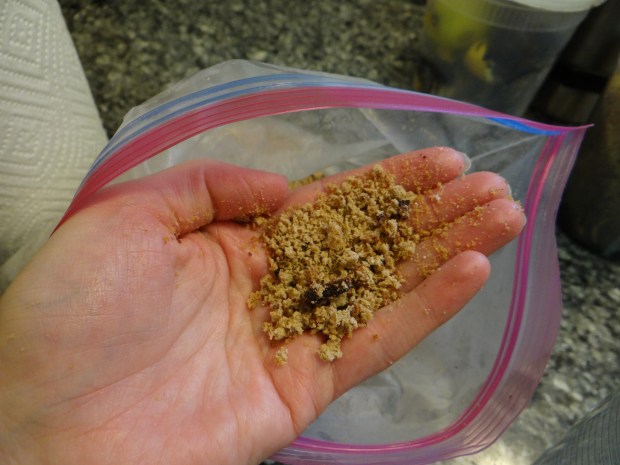
DSC02892I’m not even going to link to a recipe because this is so easy.  Collect bread ends in a gallon-size freezer bag and store in the freezer until you fill the bag.  Then take them out, thaw them, and grind them up in a food processor to make bread crumbs.  Store the bread crumbs in the freezer until you want to use them.

DSC02839

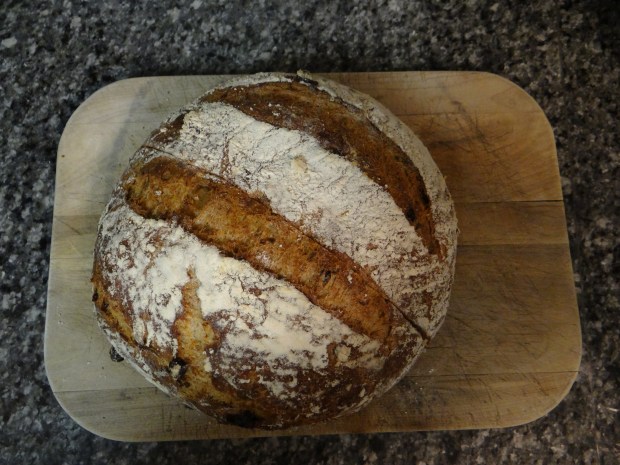
This is what I did with my accidental cumin bread.  It also works great for stale bread.  You can use these bread crumbs for meatloaf, meatballs, toppings for a casserole, binder for crab cakes, coating for fried chicken, the possibilities are endless.

DSC02924DSC02925DSC02926

So there you have it.  Three more recipes to help you use up leftovers.  Do you have any other leftovers you don’t know how to use up?  Let me know in the comments!

Nifty thrifty: whole wheat bread with raisins and leftover oatmeal

DSC02921.JPGLittle Bread Dude #1 requests oatmeal for breakfast every single day.  It can be hard to gauge how much to make, though.  Most mornings, he eats every bite.  But sometimes, like today, there was a lot left over.

I hate to throw it away, but eating day-old oatmeal just isn’t the same.  So I decided to try making bread using the leftover oatmeal.

DSC02922

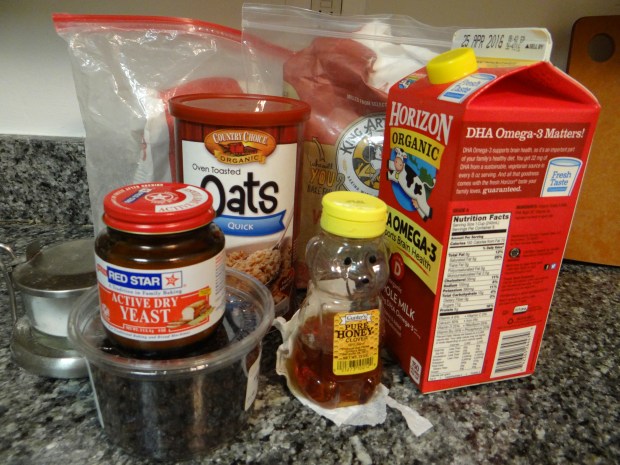
For this recipe, you will need:

375g mix of All-purpose and whole wheat flour (I did 50/50)

275g warm water, divided into 250g and 25g

1-2 cups cooked oatmeal, room temperature.  You’ll want it to be mostly solidified, not runny

1 teaspoon active dry or instant yeast

1 teaspoon salt

1 teaspoon honey

1/4 cup raisins (optional, but my leftover oatmeal included raisins so I added some more)

  1. Mix together the flour and 250g of water.  Let sit for 15 minutes to autolyse.  I included this step because I am using whole wheat flour which has a hard time developing gluten.  I wanted to give it a head start with gluten formation before throwing in the rest of the ingredients.
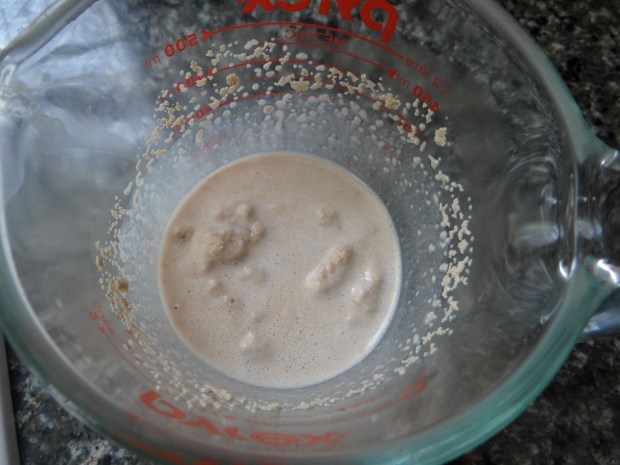
  2. In a small bowl or cup, mix together the yeast, honey and 25g of warm water.  Set aside until it looks bubbly.
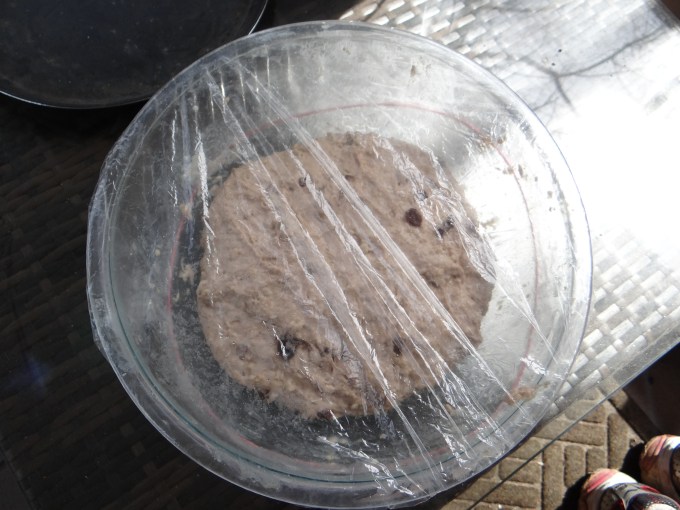
  3. Add the yeast mixture, salt, and leftover oatmeal to your flour mixture.  Using your hand as a paddle, mix well until everything is well-incorporated.  Cover and let rise 4-6 hours, doing stretch and folds every hour or so to make sure the gluten is forming well.DSC02911
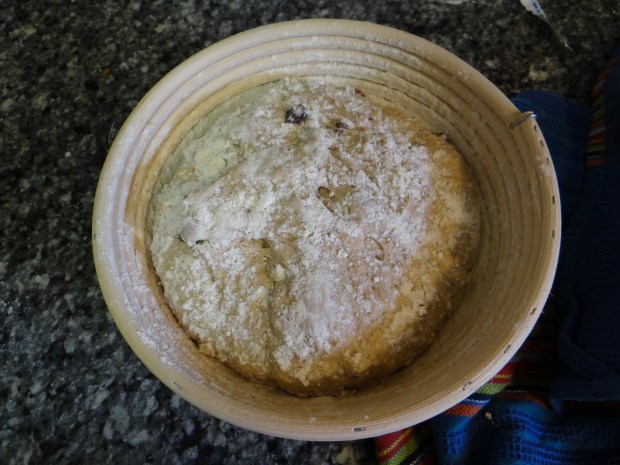
  4. Shape your dough into a ball and place it seam-side up in a floured banneton.

DSC02913

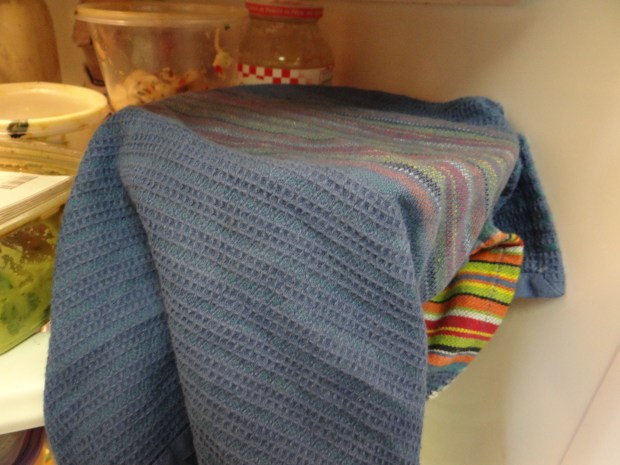
  1. Cover with a tea towel and place in the refrigerator for an hour.  Preheat the oven to 500 degrees F with a dutch oven inside.DSC02912
  2. Flip your dough out of the banneton and into the dutch oven, then score the top with a razor blade.  Let bake for 15 minutes with the dutch oven lid on, then bump the temperature down to 450 and bake another 15 minutes, then remove the lid and bake a final 10-15 minutes.
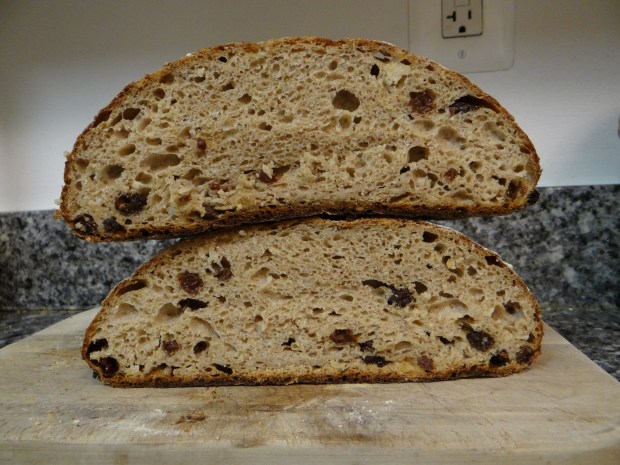
  1. Remove your finished loaf and let it cool at least an hour before slicing into it.

DSC02918

DSC02915

Do you know of any other creative ways to use up leftovers?  Let me know in the comments!

Stuff I’ve been up to lately

Thought I would share a little peek at non-bread-related goings-on at the Bread Maiden household.  We’ve been tearing up our front yard to plant flowers rather than grass, and burning the turf for our compost.  Meanwhile, we’ve been baking all kinds of things in the process.

The resulting potatoes and sweet potatoes were delicious!

Nifty thrifty: three recipes that use leftovers

I’m always trying to use up leftover ingredients that might otherwise get thrown out.  Here are three recipes that use up a LOT of leftovers, so you won’t ever have to feel bad about wasting food again.

Leftover Ingredient #1:  Mashed potatoes and potato cooking water

Peter Reinhart’s Potato Onion Rye Meteil

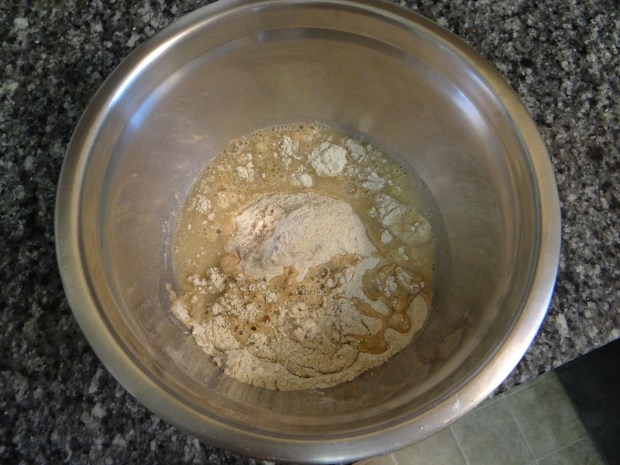
For the soaker:

142g whole rye flour

4g salt

170g potato water

  1. Mix up the ingredients and let sit for 4-6 hours.
DSC02884

DSC02885.JPG

For the starter:

71g active starter

213g combination of whole wheat flour and rye flour

170g of water or potato water

  1. mix up the ingredients, cover and let rise for 4-6 hours.

DSC02886.JPG

DSC02889.JPG

When it’s time to make your final dough, you will need:

Your starter and soaker

128g combination of whole wheat and rye flours

10g salt

9g instant or active dry yeast

227g cooked potato.  I mashed it up finely with a fork so there were no big chunks.

113g fresh onion, diced

14g honey

extra rye or whole wheat flour

DSC02890.JPG

Mix all the ingredients together, kneading well so it is entirely incorporated.  Place it in a bowl, covered, to rise for 1.5 hours.

DSC02893

Punch down the dough gently, then divide into two loaves.  Let rest on the counter for 15 minutes.

DSC02894.JPG

Shape the dough into round boules, then place them seam-side up in prepared bannetons.

DSC02895.JPG

Preheat the oven to 425 degrees F with your dutch oven inside.

When the oven is ready, turn out your dough into your dutch oven so the seam is now on the bottom.  Score your dough, then bake for 20 minutes with the lid on.  Remove the lid, bump the temperature down to 350 degrees, and continue baking another 20-30 minutes until the loaf is a rich brown.


Leftover Ingredient #2: Bacon Drippings

Soft sandwich bread with bacon drippings

You will need (for two loaves):

1 3/4 cup lukewarm milk
1 Tbls yeast
795 g Bread Flour
1 Tbls kosher salt
1 egg
1/4 cup honey
85 g melted butter, oil or bacon drippings

1.  In a small bowl, sprinkle the yeast on top of the milk and let sit for five minutes.  If it smells yeasty, it’s working.

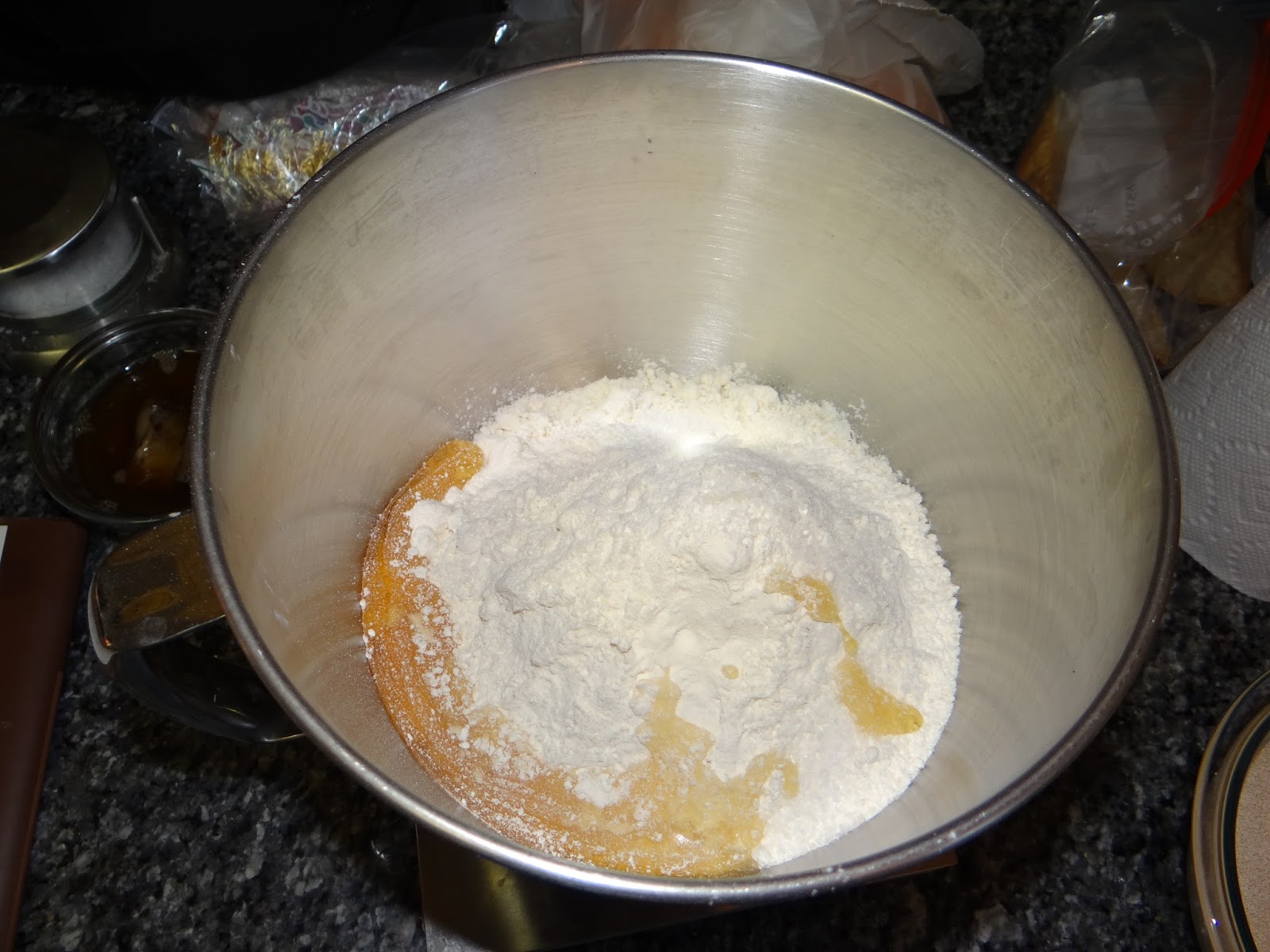
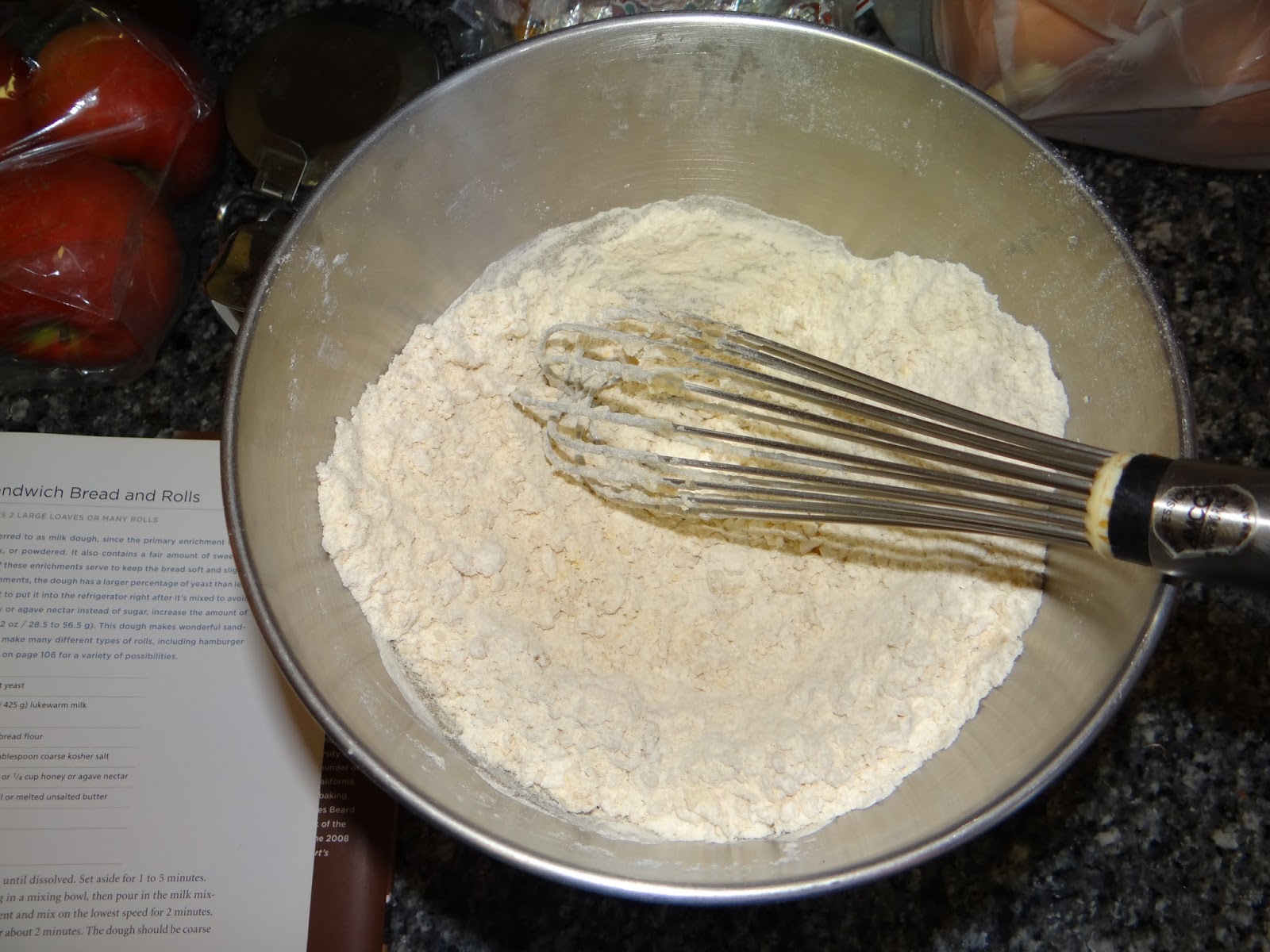
2. In a large mixing bowl or the bowl of your stand mixer, combine the flour, salt, egg, honey and bacon drippings and set aside until your yeast mixture is ready.  Then add the yeast and milk into the mixing bowl.

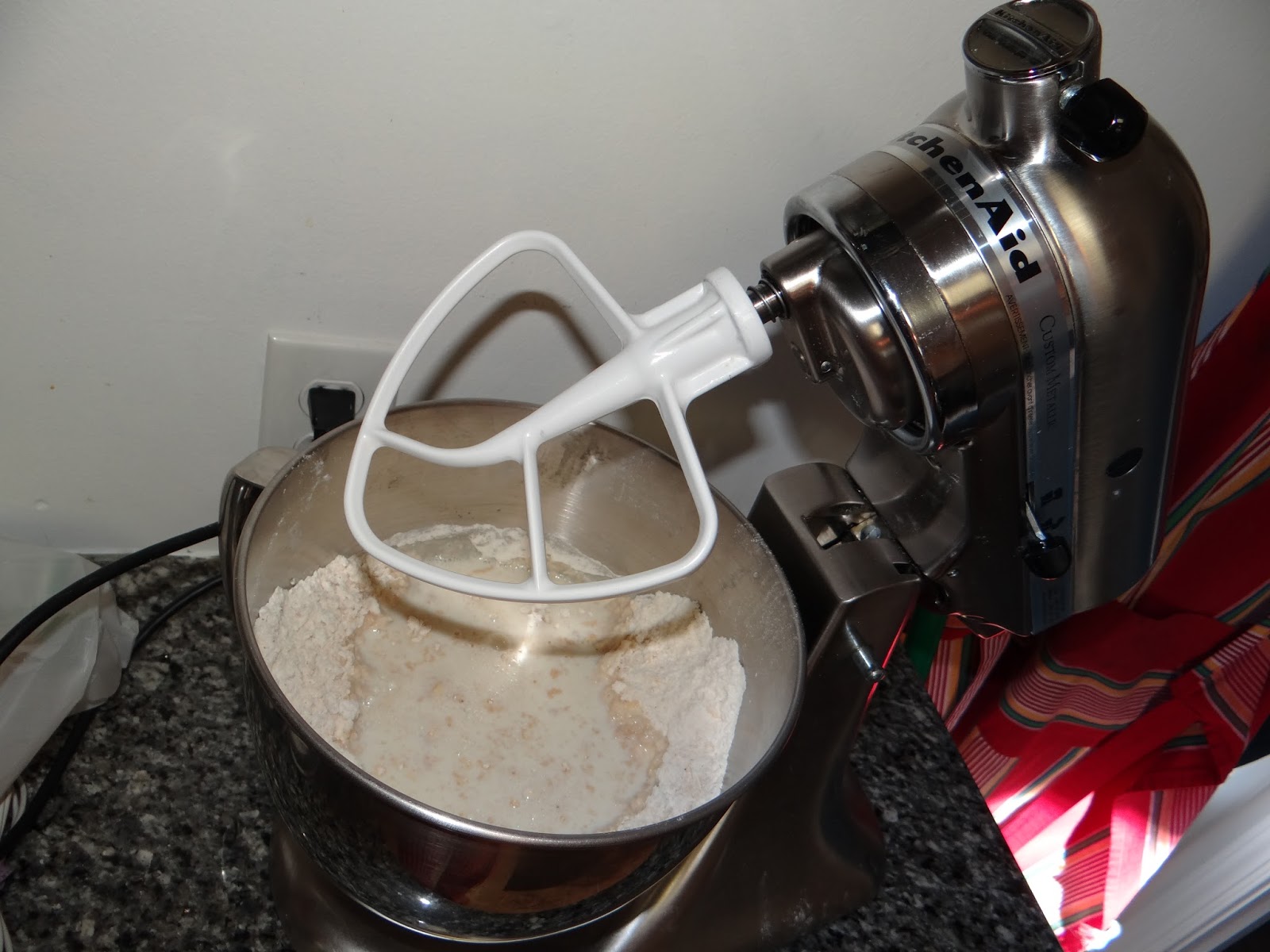
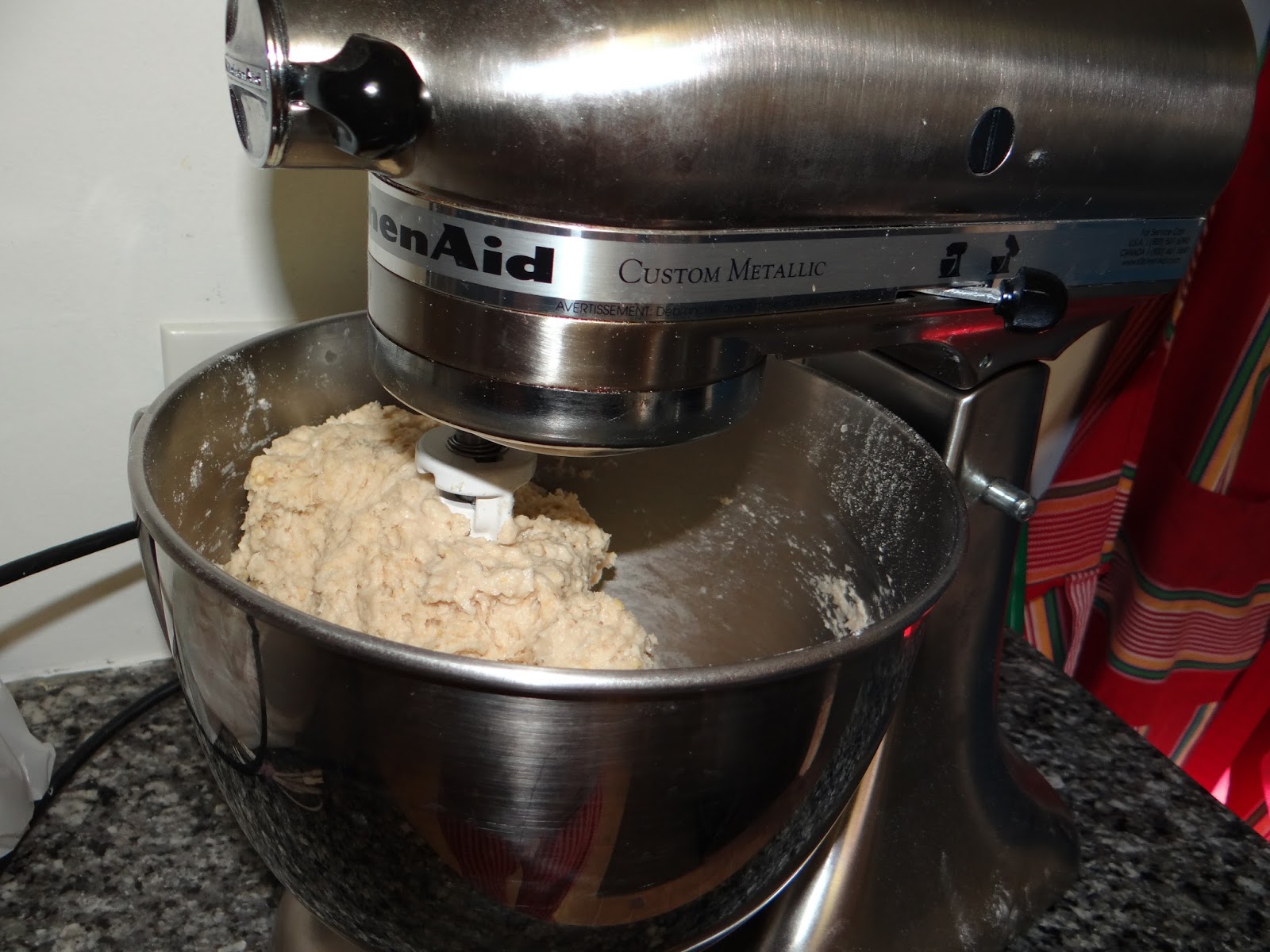
3. If you are using a stand mixer, get everything nice and combined using the paddle attachment.  When it becomes a ball, switch to the dough hook and knead for about five minutes.  If you don’t have a stand mixer, just knead the heck out of it for five minutes.  You really do want to knead here – there is so much yeast that things are going to move quickly and you’ll want to make sure the gluten has really developed a strong net to trap in those yeast gases!

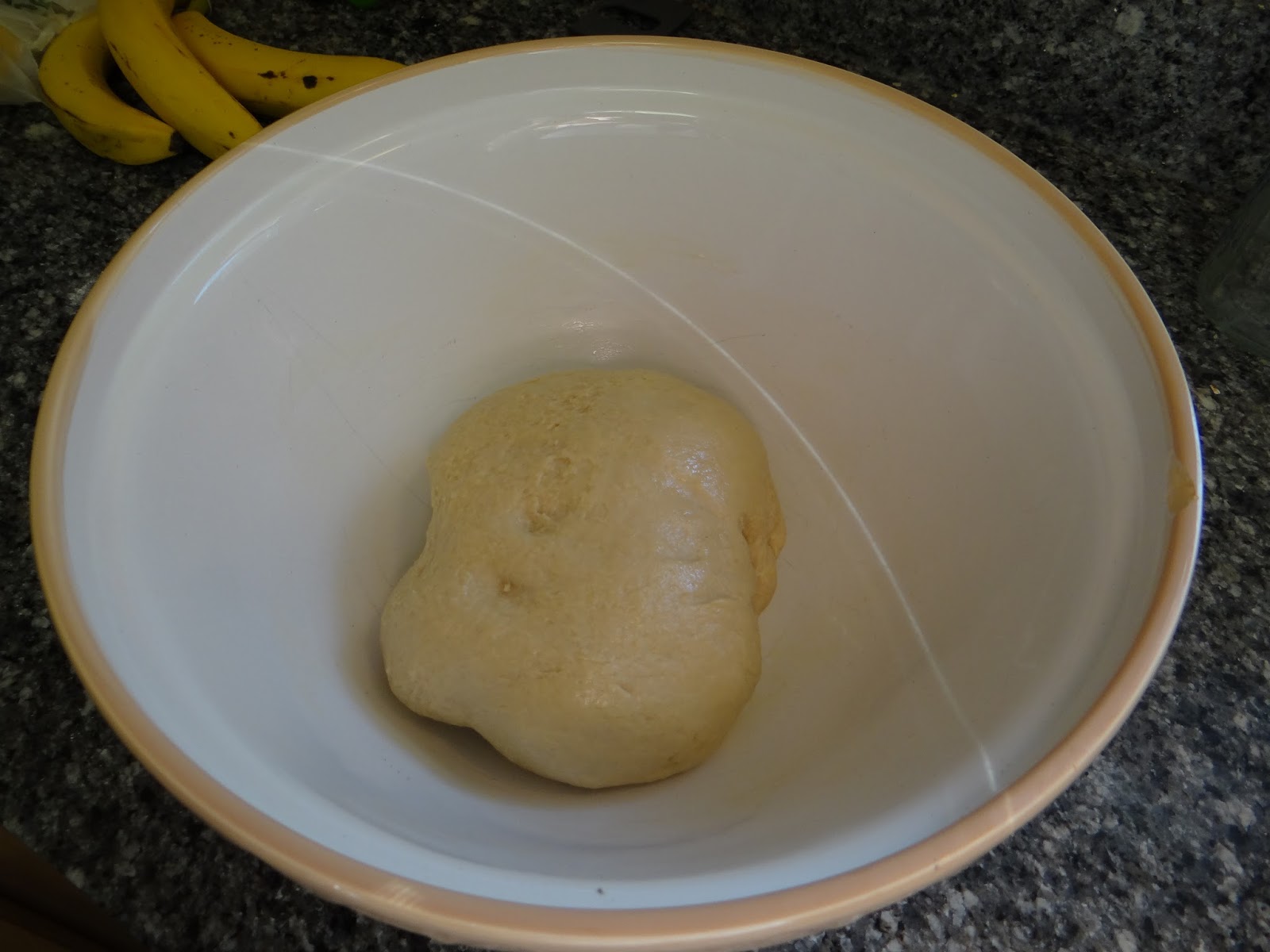
before


after

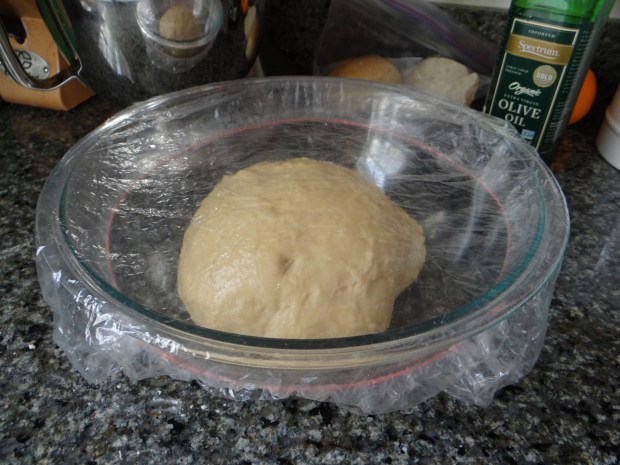
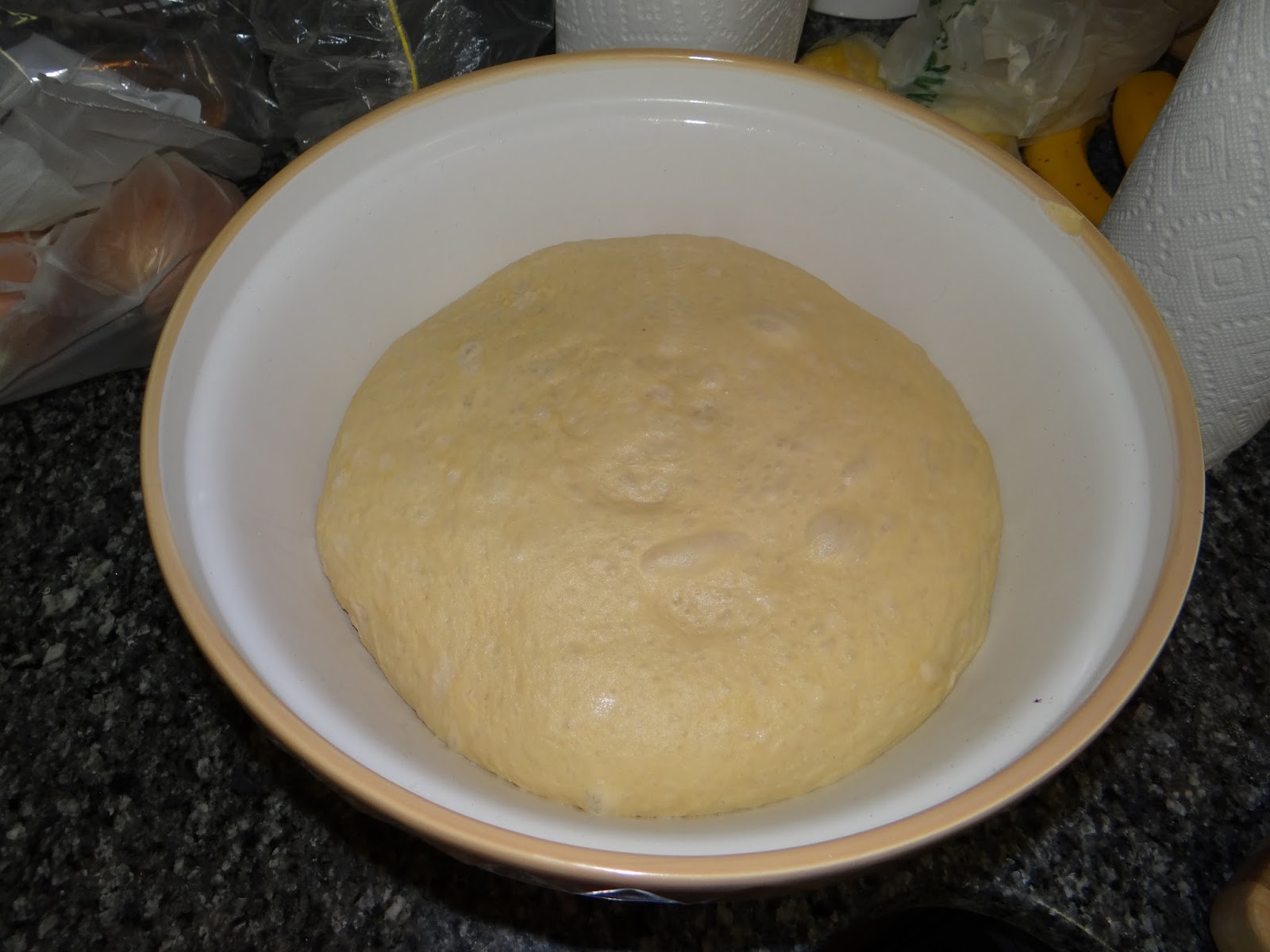
4. Place the dough in an very large oiled bowl and cover with plastic wrap.  Let rise until doubled in size.

before


after

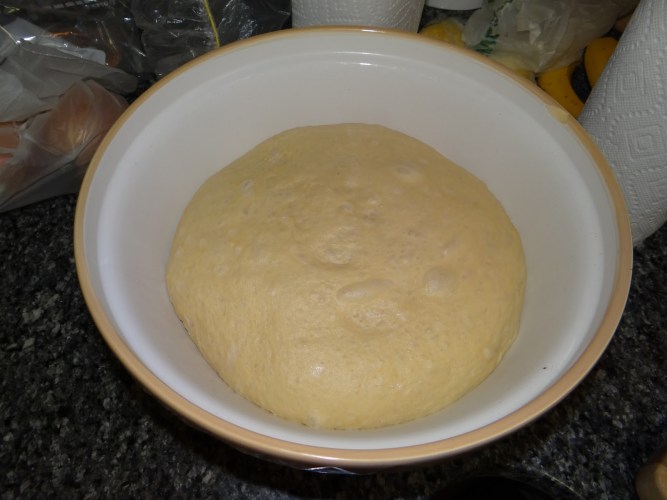
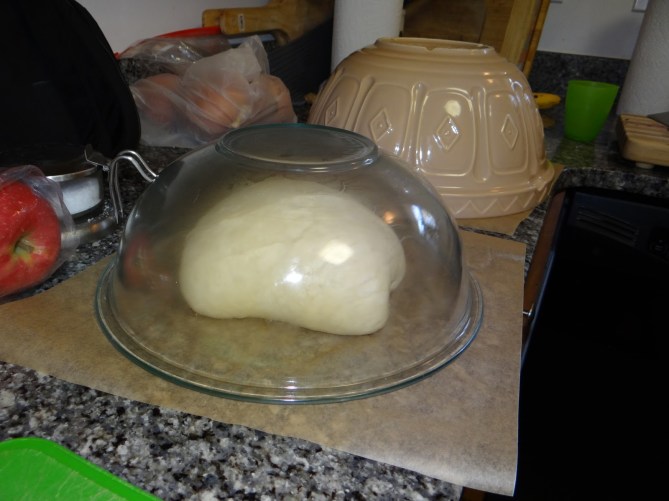
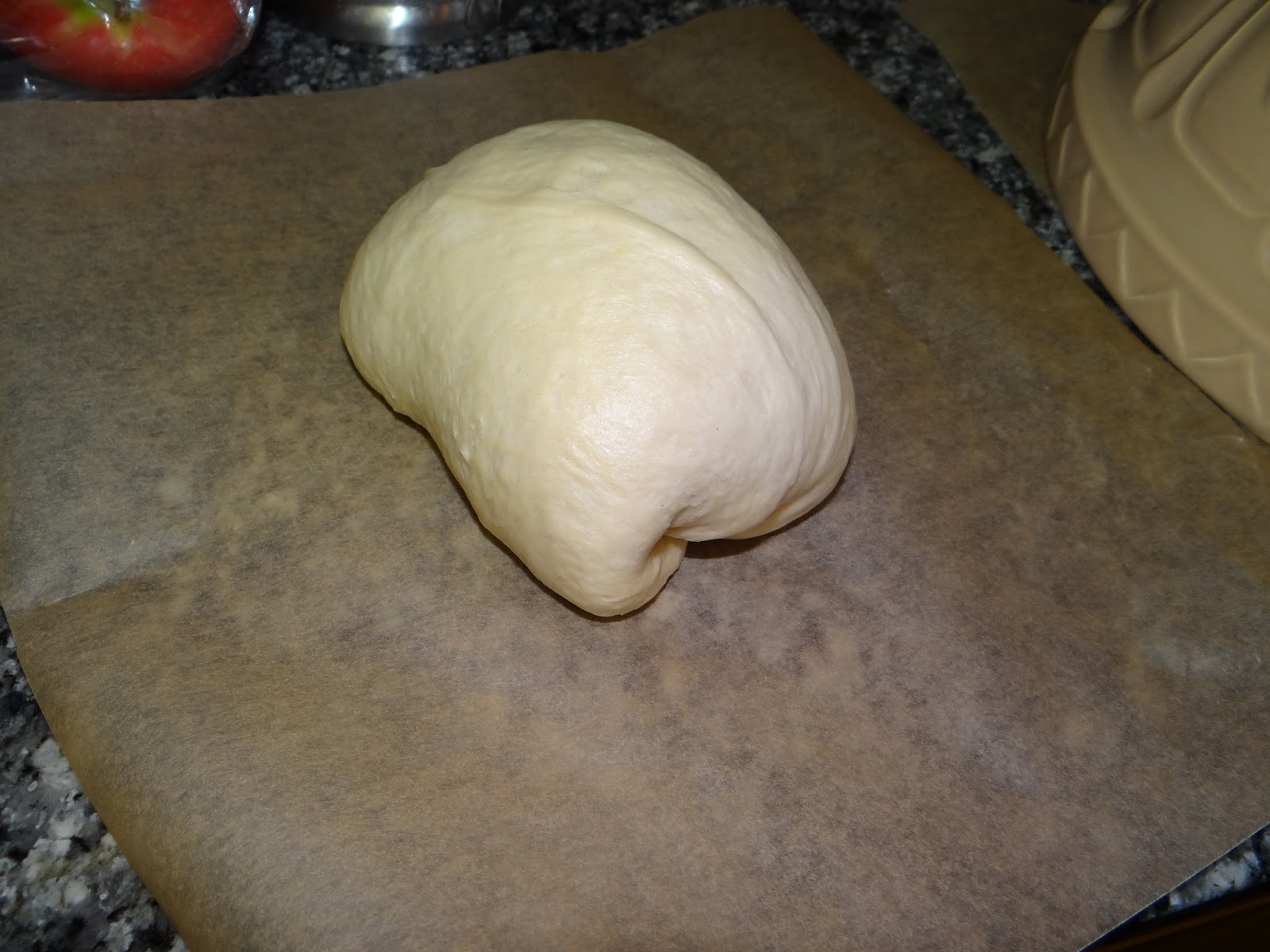
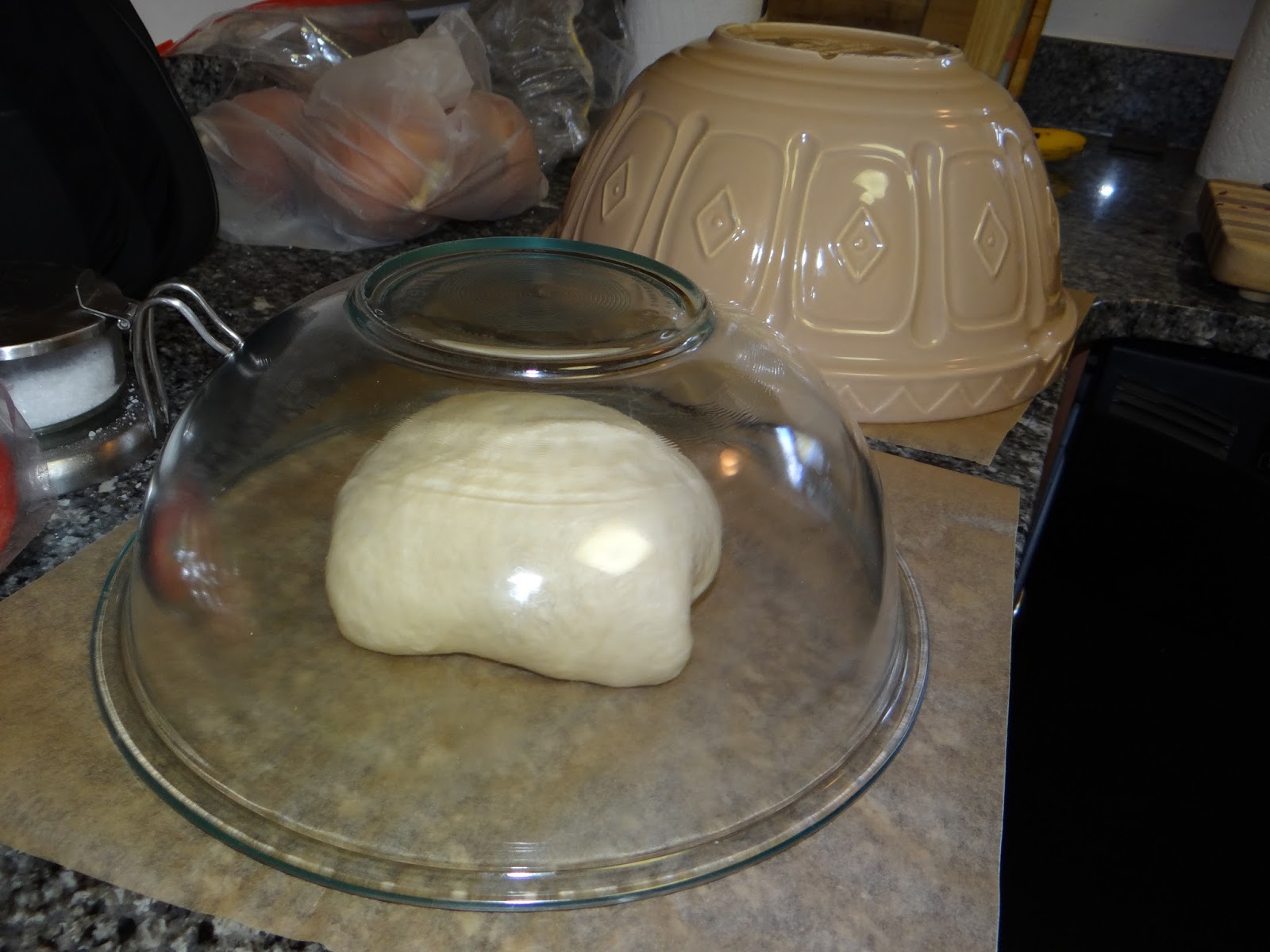
5. Once the dough has doubled, punch it down and divide it into two equal parts.  This is more important if you plan to use loaf pans; if you are baking both loaves at the same time they need to be exactly the same size or they won’t bake evenly.  Weigh out the dough after punching it down and then divide into two equal halves.  If you are making boules, you can just eyeball the two halves.  Shape the loaves as you wish.  If you want to use the dough to make sandwich bread, flatten it out and then roll it up and place it for the second rise into two buttered bread pans.  If you want boules, shape the loaves into balls and place for the second rise onto sheets of parchment paper and cover each loaf with a large bowl to form a dome.


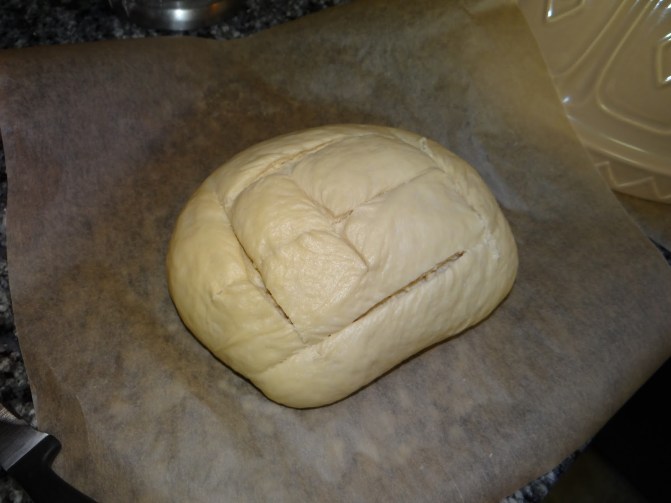
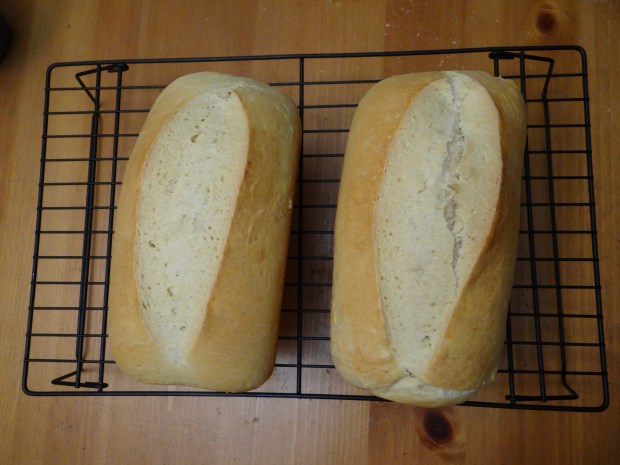
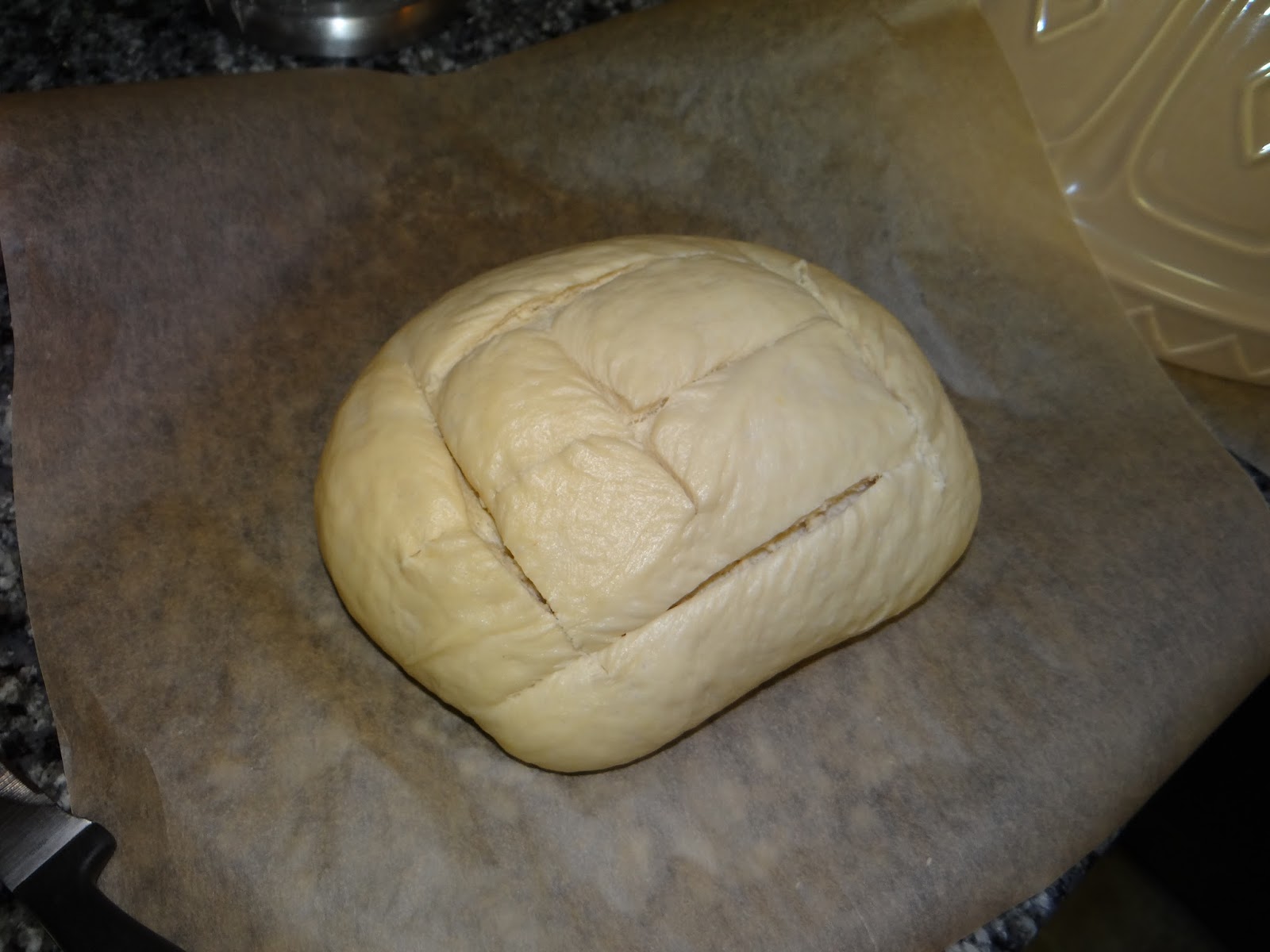
6. After about an hour rise, preheat the oven to 350 degrees F.  Score the boules in a pretty pattern or score the sandwich loaves with one long line down the middle.

look at all that condensation on the inside of the bowl!


I use a serrated knife to score the loaf


I tell Bread Camp attendees that the most important part of scoring the loaf is Not Being Afraid!

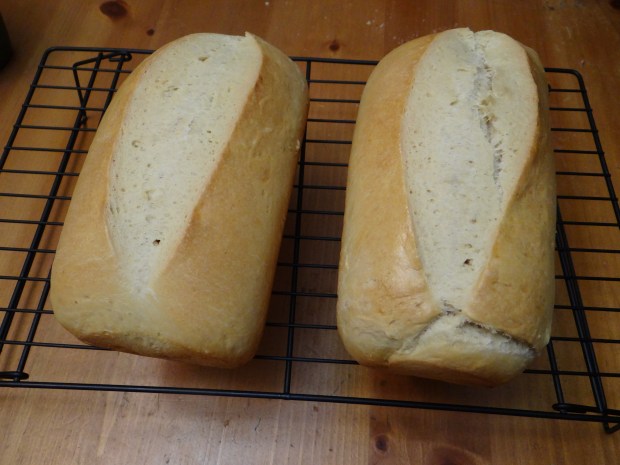
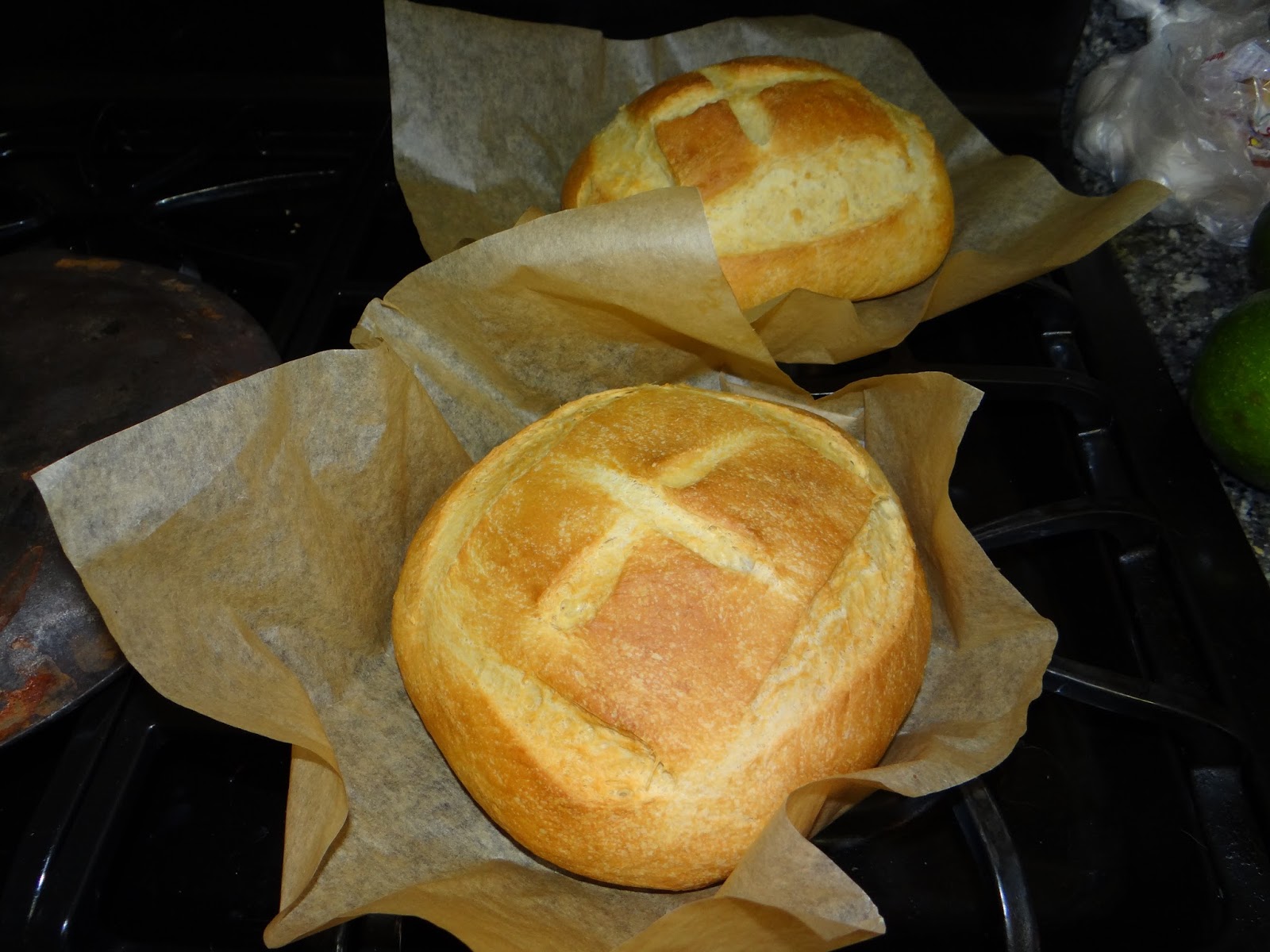
7.  Bake for 40-50 minutes until the top of the loaf is golden brown and it can withstand a nice hard thump with your nail.  Remove from the oven and let rest until cooled.


Leftover Ingredient #3: Bean Water (Pot Liquor)

2-3 White Bread with Bean Water

You will need (for one loaf):
375g mix of AP flour and bread flour
250g of leftover bean water, maybe more
7g instant or active dry yeast
7g salt

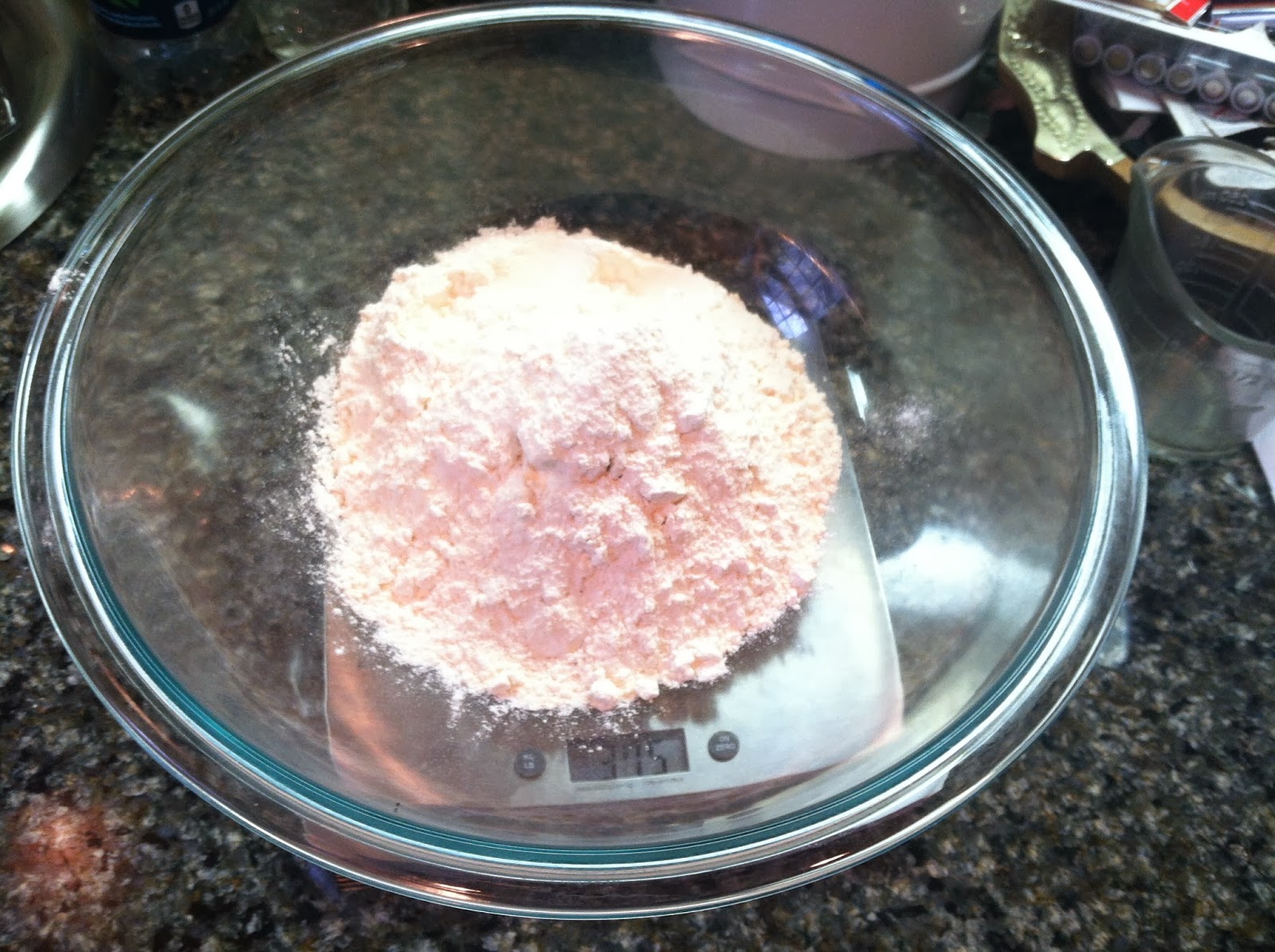
1. Weight out your flour in a large bowl.  Add the salt and yeast to the flour and whisk thoroughly.

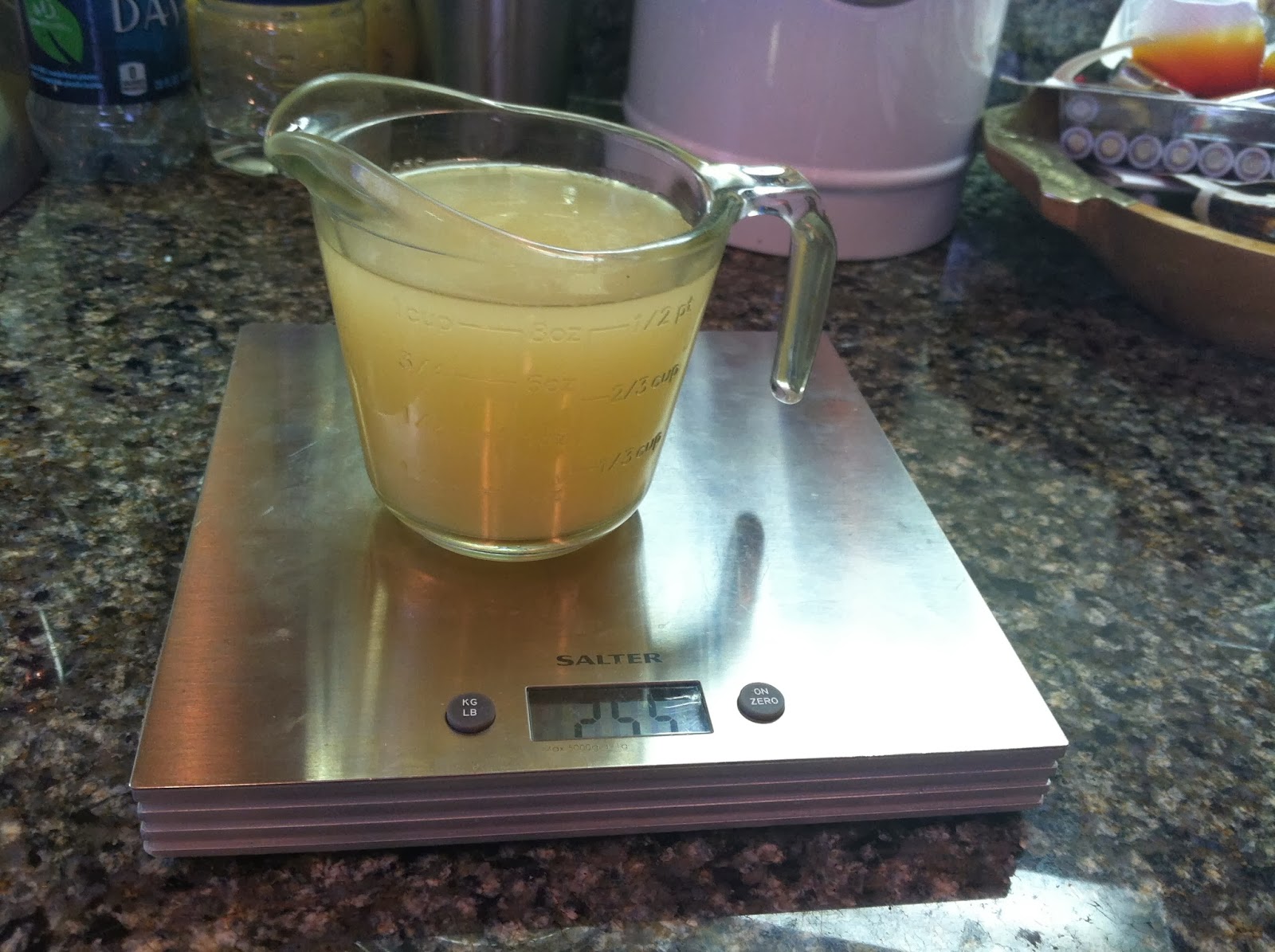
2. Weight out 250g of the bean water, keeping some on hand in case you need it.  As you can see, it’ll be about one cup.

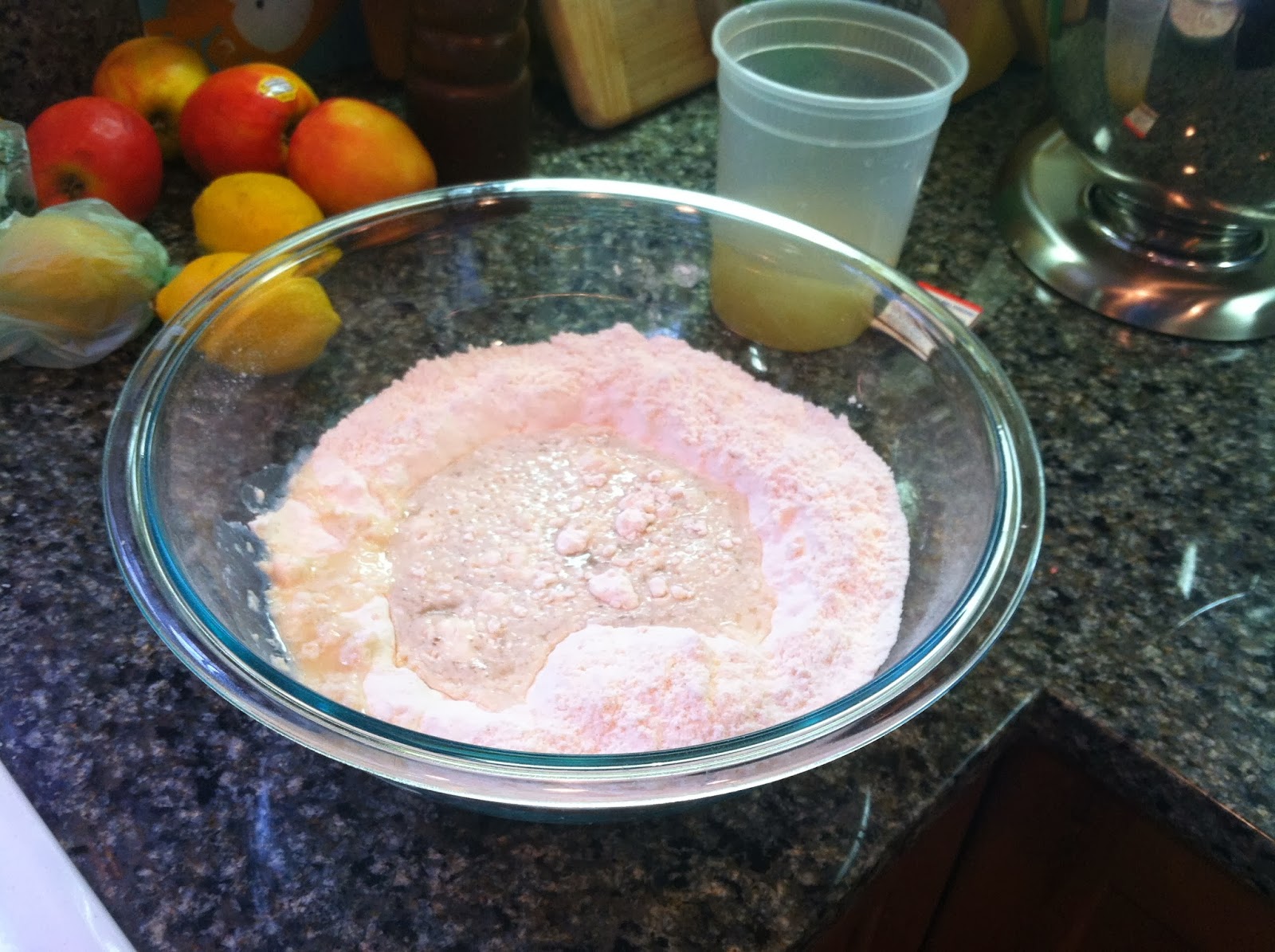
3. Pour the bean water into the bowl with the flour, salt and yeast.

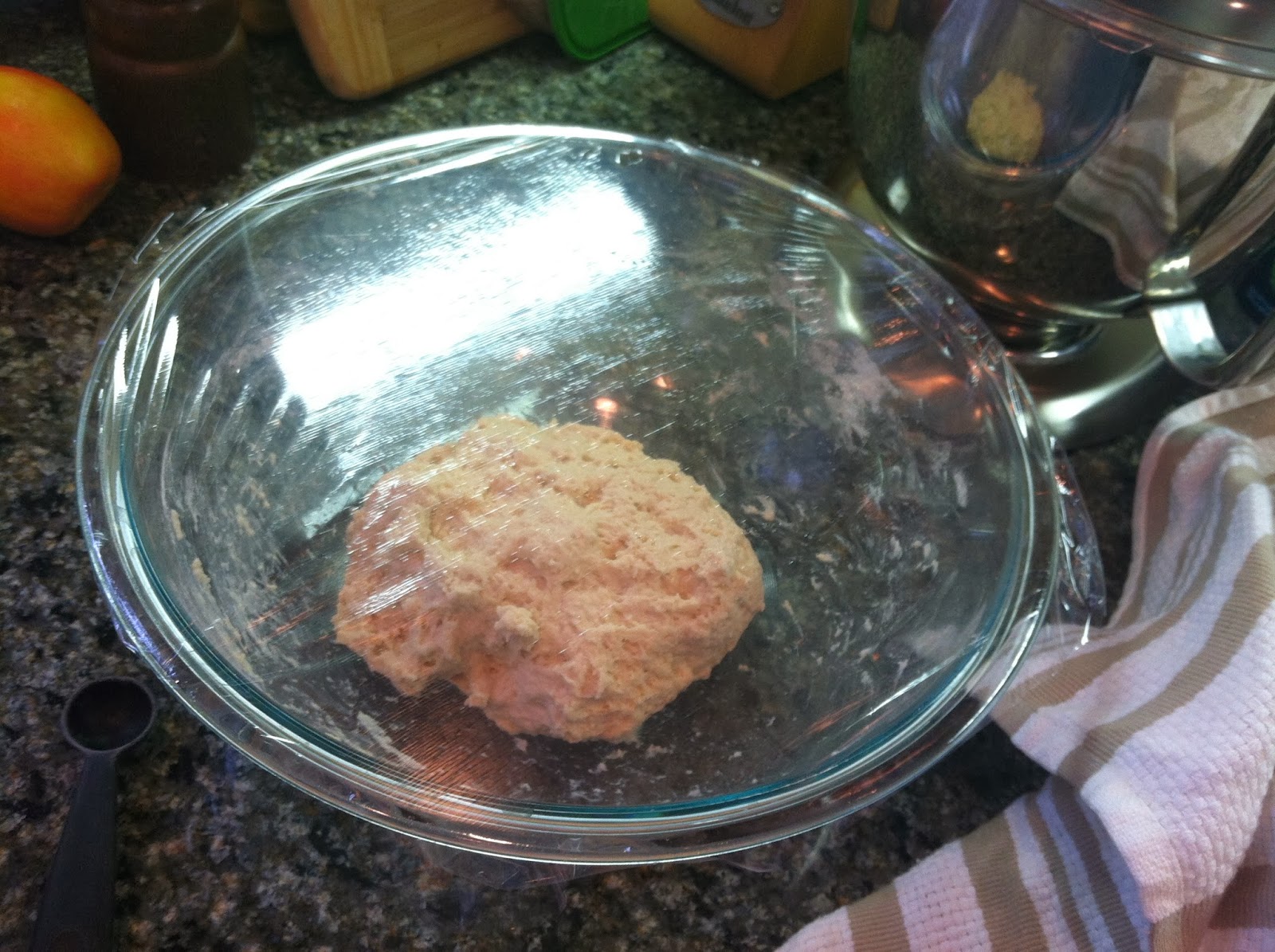
4. Grip the bowl with your left hand. Using your right hand, vigorously stir to incorporate the dough.  If it seems dry, add a splash more of your bean water.  When it comes together easily, cover the dough with plastic wrap.

5.  Here is where I feel sorry for people who insist on kneading their bread for 15 minutes.

After 15 minutes of resting, take the plastic wrap off the bowl (don’t throw it away!) and gently fold the dough a couple of times.  See?  The dough is smooth and pliable like you just spent 15 minutes kneading it into submission, and you didn’t do a darn thing.  Ok, now put the plastic wrap back on and let it rise another 2-3 hours, until it has doubled in size.

6. After it has doubled in size, punch it down ONCE (one punch to deflate it!) and then gently shape it into a ball.  Transfer it to a sheet of parchment paper to rise a second time.  Preheat the oven to 425 degrees F and slide your dutch oven inside the oven to heat up.

7. When the oven is ready, remove the plastic wrap and score the top of your loaf with a sharp knife.

8.  Transfer the loaf on the parchment paper to the dutch oven and bake, covered, for about 25-30 minutes.  Remove the dutch oven lid and bake another 10-15 minutes until the loaf is nicely browned and the top is solid when tapped.

I hope you enjoyed this post!  I had so much fun I think I’ll do another one shortly.

Peter Reinhart’s Potato Onion Rye Meteil

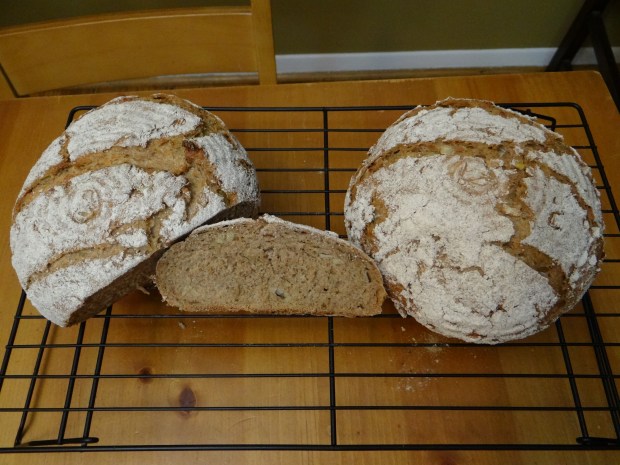
After making Peter Reinhart’s Potato Rosemary Bread, I still had leftover mashed potatoes and potato water.

DSC02856DSC02855

Thankfully, Peter Reinhart has more than one recipe that uses these ingredients.

For the Potato Onion Rye Meteil, you will need:

DSC02883

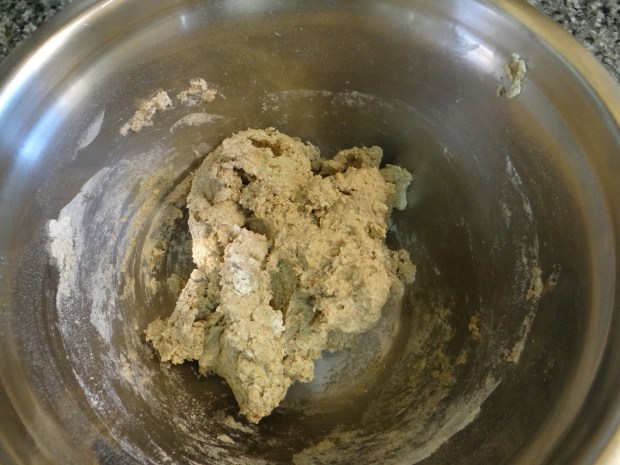
For the soaker:

142g whole rye flour

4g salt

170g potato water

  1. Mix up the ingredients and let sit for 4-6 hours.
DSC02884

DSC02885.JPG

For the starter:

71g active starter

213g combination of whole wheat flour and rye flour

170g of water or potato water

  1. mix up the ingredients, cover and let rise for 4-6 hours.

DSC02886.JPG

DSC02889.JPG

When it’s time to make your final dough, you will need:

Your starter and soaker

128g combination of whole wheat and rye flours

10g salt

9g instant or active dry yeast

227g cooked potato.  I mashed it up finely with a fork so there were no big chunks.

113g fresh onion, diced

14g honey

extra rye or whole wheat flour

DSC02890.JPG

Mix all the ingredients together, kneading well so it is entirely incorporated.  Place it in a bowl, covered, to rise for 1.5 hours.
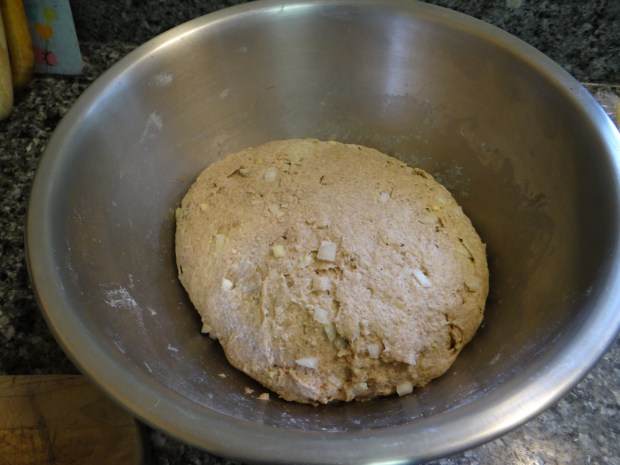
DSC02893

Punch down the dough gently, then divide into two loaves.  Let rest on the counter for 15 minutes.
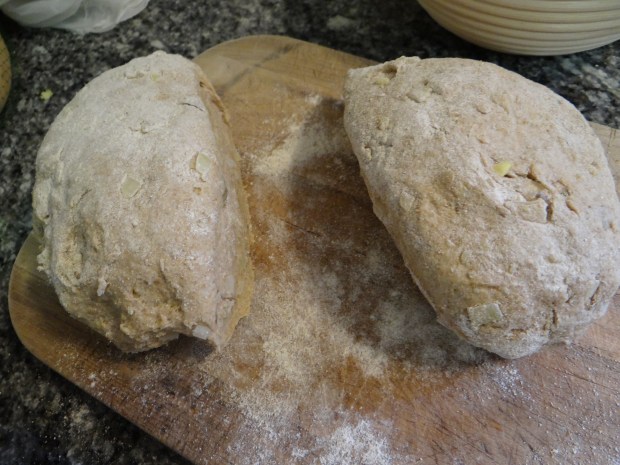
DSC02894.JPG

Shape the dough into round boules, then place them seam-side up in prepared bannetons.
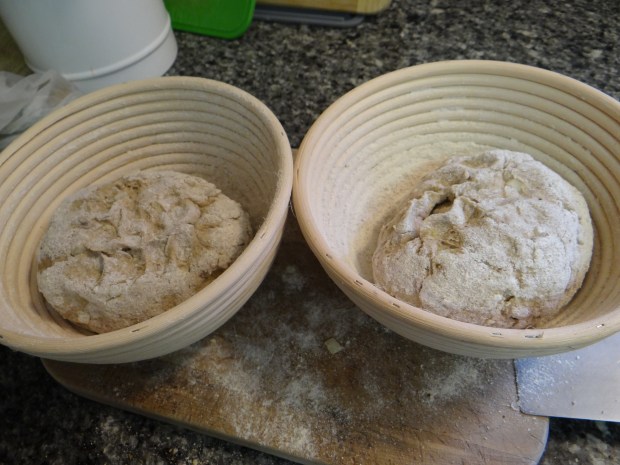
DSC02895.JPG

Preheat the oven to 425 degrees F with your dutch oven inside.
When the oven is ready, turn out your dough into your dutch oven so the seam is now on the bottom.  Score your dough, then bake for 20 minutes with the lid on.  Remove the lid, bump the temperature down to 350 degrees, and continue baking another 20-30 minutes until the loaf is a rich brown.

DSC02897DSC02901

These loaves, though small, are packed with flavor.  It’s funny; the taste reminds me of wild rice.  Maybe I will add some next time.

I had originally planned to write a post on The Science Behind… starch using this post, but there are too many confounding variables to be able to tell the difference made by the potato water and mashed potatoes.   I may try adding potato water and mashed potato to a 2-3 bread, and make another regular loaf without them, to show the difference.

Have you ever experimented with rye flour?  So far as long as I stick with Peter Reinhart’s recipes I’ve been having success.


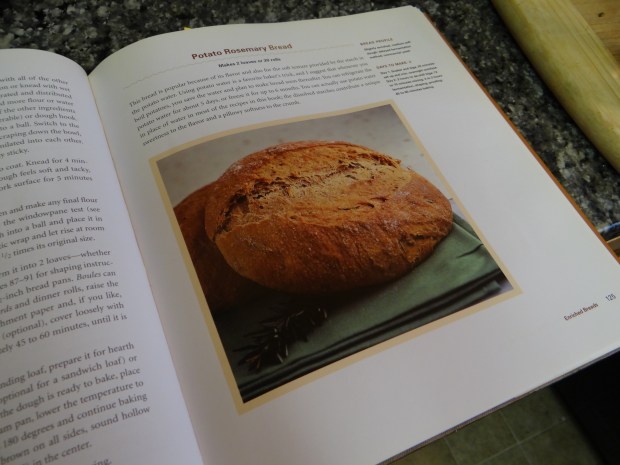
Peter Reinhart’s potato rosemary bread

DSC02848

Ever since I scalded my flour here, I’ve been intrigued by the contributions made by starches.  Like fats, starches add softness to bread.  One easy way to add softness without using dairy is to bake with potato water.

Peter Reinhart has a few recipes that call for potato water and mashed potato in his book Whole Grain Breads.

DSC02846

I happened to have a bunch of potatoes that were too soft to use, so I threw them in some water and boiled them until they were nice and tender.

DSC02847

Look at all that starch!

DSC02856

Once the potatoes were done, I took them out of the water and let the water cool to room temperature.
DSC02855

I also mashed the potatoes and let them cool.  Then I covered the bowl and put them in the refrigerator to use tomorrow.

DSC02857

I made a soaker using 220 grams of whole wheat flour, 170 grams of potato water, and 4 grams of salt.

I also made a starter using 200 grams of rye starter I already had, plus 75 grams of potato water and 125 grams of flour.

I covered both and put them in the refrigerator overnight.

On the second day, I pulled them out and mixed them together along with:

DSC02871[1]

56g of whole wheat flour

170g mashed potato

28g honey

14g olive oil

5g crushed fresh rosemary

7g active dry yeast

5g salt

DSC02872[1]

I kneaded until the dough was well incorporated, then I let it rest for 15 minutes before dividing it into two loaves.  They seemed very small, but Peter Reinhart says this recipe makes two loaves, and he usually is right about these things, so I trusted him.  I floured my bannetons and placed each tiny loaf inside to rise.

DSC02873[1]

They did rise, but not nearly as much as they would need to, to bake into full-sized loaves.

I preheated my dutch oven at 425 degrees F, then baked each for 20 minutes lidded, then unlidded for 20 minutes at 350 degrees F.  The rosemary smell permeated everything.

DSC02876[1]

When they finally came out as small loaves about the size of my hand, I was not surprised.  Like I said in my post on what I learned researching The Science Behind… the baking process, there are no deus ex machinas (deuses ex machina? Deus ex machinae?) or hail-mary passes in baking.  If your bread looks small, it’s unlikely to expand 400% in the oven.

DSC02878[1]

The bread turned out very tasty, with lots of rosemary taste and smell.  I made a correction to the recipe for next time 🙂

DSC02877[1]

Also, I had a lot of potato water and mashed potato left over, so next up I’ll be making Peter Reinhart’s potato onion rye meteil.